

Considering dental implants? A dental implant assessment is a chance to compare ways of replacing a missing tooth. At Vita Dentistry in North York, start with the problem you want to solve: chewing, a denture that moves, the appearance of a gap or a damaged tooth. An examination is needed before a treatment recommendation can be made.
Table of Contents
In this article
Compare the Options for Your Missing Tooth
Implants, bridges and removable dentures have different requirements and maintenance needs. Ask what each option involves for your mouth, whether the neighbouring teeth need treatment and what happens if you choose to monitor the space. No replacement is suitable for everyone.
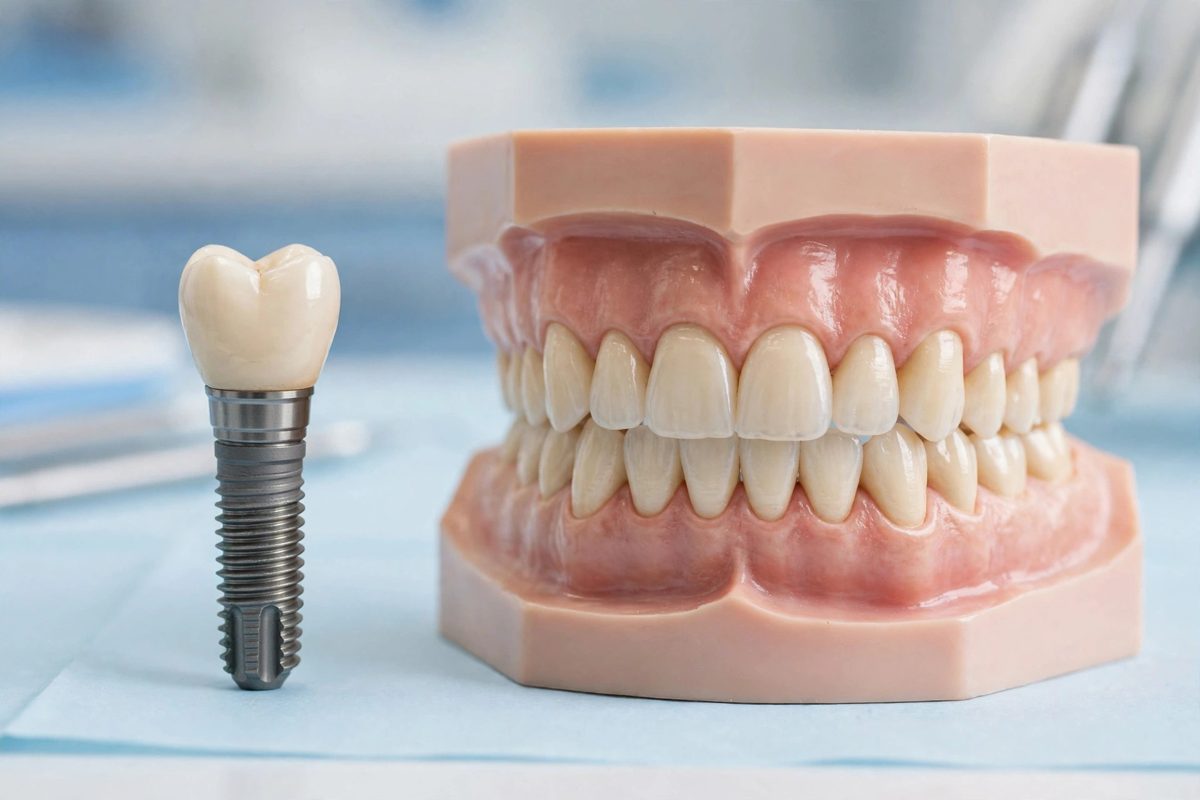
For treatment information, see our dental implants service page, full and partial dentures and crowns and bridges.
Ask About the Stages Before Deciding
Your dentist reviews your medical and dental history, examines the area and discusses any imaging needed. Ask whether other dental work, specialist input or a temporary tooth replacement is part of the plan. A consultation does not mean that implant treatment will necessarily be recommended.
Plan Dental Implants Around Your Priorities
Before the assessment, write down the part of daily life you want to improve. A gap that affects chewing raises different questions from a denture that moves or a concern about appearance. Tell the dentist which matters most to you and which practical limits affect your ability to attend appointments or manage aftercare.
Ask how dental implants would fit with the condition of the remaining teeth and gums. If additional care is proposed, ask what it is intended to achieve and how it affects the sequence. Find out who would carry out each stage, who would review healing and whom you should contact if a temporary replacement is uncomfortable.
A useful plan includes care after the restoration is fitted. Ask how to clean around the proposed design and which review visits would be recommended. If you need help with daily cleaning, discuss that before choosing a replacement. Bring questions about access, assistance or returning for follow-up so the plan can reflect your circumstances.
Take time to compare dental implants with the alternatives discussed at your examination. Ask what each option involves for neighbouring teeth, how it would be maintained and what further treatment might be needed. The purpose of the assessment is to understand the choices and their limits, rather than commit to a procedure before the findings are clear.
How Do Dental Implants Compare to Other Options?
| Option | Longevity | Stability | Bone Preservation |
|---|---|---|---|
| Dentures | Varies with care and the denture | Fit and stability need review | Discuss changes in the supporting tissues |
| Dental Bridges | Varies with the restoration and supporting teeth | Fixed to supporting teeth | Discuss the health of the supporting teeth and tissues |
| Dental Implants | No lifetime guarantee | Depends on healing and maintenance | Bone assessment is part of planning |
The comparison below is a starting point for questions, not a prediction of the result for your mouth. Ask your dentist how each option applies to your findings.
Turn Your Dental Implant Assessment Into a Useful Written Plan
Before leaving the assessment, ask the dental team to summarise what is known and what still needs to be checked. Separate an initial discussion from a final recommendation. If records, an additional opinion or treatment of another problem are needed, ask how the next decision will be made and who will contact you.
Record the choices and the reasons
Write down the options discussed for the particular gap. Ask which option addresses your main concern, what its limitations are and what would make another approach more appropriate. If you want time to consider the recommendation, ask how to obtain a copy of the proposed plan and any relevant records.
Clarify responsibilities between visits
A plan can involve several appointments or more than one clinician. Ask which team member manages each stage and whom to call with questions. If you will travel, move or have difficulty attending follow-up, raise that during planning. Do not assume that another clinic can take over an unfinished stage without reviewing the case.
Keep the questions that remain unanswered
It is reasonable to ask for an explanation in everyday language or to bring a support person if you would find that helpful. Note questions about cleaning, maintenance, temporary tooth replacement and possible changes to the plan. Confirm which instructions apply now and which will be supplied after a particular procedure. These notes help you prepare for the next conversation; they do not replace your treating dentist’s clinical advice.
5 Helpful Questions for Your Dental Implant Assessment
What should I bring to a dental implant assessment?
Bring your medication list, relevant dental records and questions about the gap you want to restore. Tell the dentist about previous treatment and any concerns.
Is an implant the only way to replace a missing tooth?
No. Ask about bridges, removable dentures and other appropriate options. Suitability depends on the teeth, gums, bone and your wider health.
How long does implant treatment take?
The stages and healing time vary. Ask for a plan for your case, including whether other treatment or a temporary replacement is needed.
Will an implant last for life?
A lifetime result cannot be guaranteed. Implants and their restorations need ongoing cleaning, reviews and sometimes further treatment.
Does CDCP cover dental implants?
Dental implants and associated implant procedures are excluded under the CDCP. Eligible removable dentures may be an alternative, subject to their own service rules and preauthorization requirements.
CDCP and Tooth Replacement
Dental implants are excluded under the current CDCP Dental Benefits Guide. Removable dentures have separate eligibility, frequency and preauthorization rules. Ask the clinic to check the exact proposed procedure. Information checked October 16, 2026.
References
The guidance in this article reflects Canadian dental practice and patient-education resources from the Ontario Dental Association (oda.ca), the Canadian Dental Association (cda-adc.ca) and the Royal College of Dental Surgeons of Ontario (RCDSO). Dentists in Ontario are licensed by the RCDSO, and patients can verify a dentist’s registration on the RCDSO website.
Arrange an Assessment in North York
Vita Dentistry is at 879 York Mills Road, Unit 6. Call (647) 276-0076 or request an appointment. Bring your questions and discuss the alternatives before choosing a treatment. This article provides general information and does not establish a diagnosis or individual coverage.

