
Mon-Wed: 9:30AM-6PM | Thu: 10AM-6PM | Fri: 11AM-7PM | Sat: 9:30AM-4PM | Sun: Closed
Address879 York Mills Rd Unit 6, North York, ON, M3B 1Y5

Bonding uses tooth-coloured resin to repair or reshape selected areas. It may be useful for a small chip or an appearance concern, depending on the tooth and bite. An examination determines whether the problem is cosmetic or needs restorative treatment.
Some small gaps, uneven edges or damaged areas may be suitable. Larger defects, active decay or bite problems can require another approach. Discuss what you want to change and ask which options preserve healthy tooth structure.
Composite can often be repaired or adjusted, while porcelain veneers involve a different preparation and laboratory process. Neither is the best option for every tooth. Compare maintenance, limitations and how each choice affects your natural teeth.
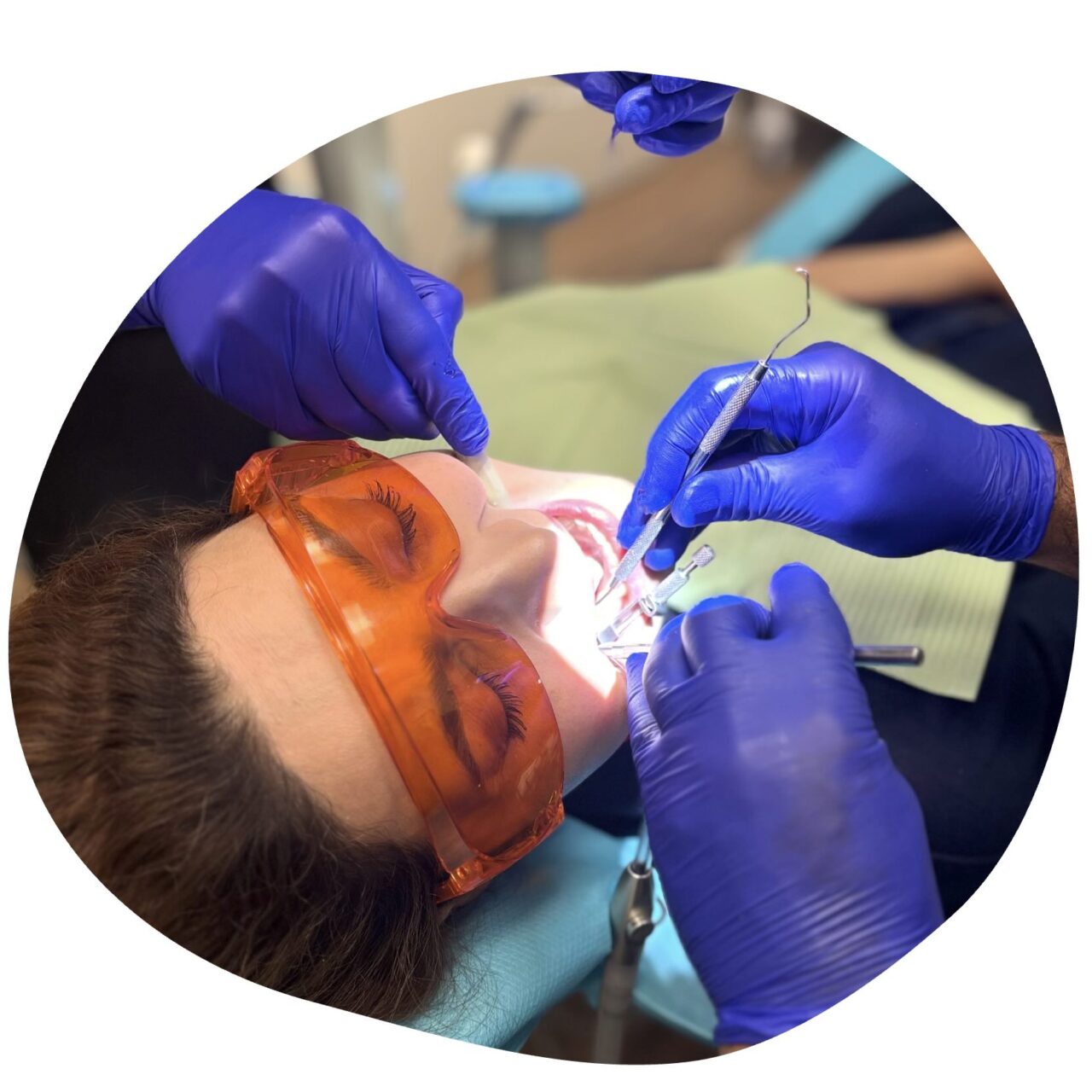
The dentist assesses the tooth, selects an appropriate shade and places and shapes the material. Appointment length and preparation vary. Do not assume every bonding procedure is completed in one visit or requires no anaesthesia.
Some cases need little preparation; others require removal of decay or reshaping. Ask what is planned for your tooth. Bonding should not automatically be described as completely reversible.
Follow the instructions about eating and oral hygiene. Brush and clean between teeth daily, and avoid using teeth as tools. Composite can stain, wear or chip, so periodic assessment is useful.
Contact the clinic for assessment. A repair or polish may be possible, but the cause should be checked, including biting forces and decay. Do not try to file or glue the material yourself.
Shade and shape decisions should consider the neighbouring teeth and your bite. A restoration cannot guarantee an invisible result in every light. Ask to discuss your expectations before treatment is started.
Request an assessment at Vita Dentistry for a chipped tooth or an appearance concern. Cosmetic bonding and veneers are excluded from CDCP; an eligible restorative filling is a different category. Confirm the purpose and procedure before checking benefits.
Request an appointment or explore Vita Dentistry services.
How long does composite bonding last?
With good care, composite bonding typically lasts 5 to 10 years. Lifespan depends on where the bonding is placed, your bite, and habits like nail-biting or chewing ice. Bonding on front teeth that take less chewing force tends to last longer. At your check-ups, our North York team will monitor the bonding and can touch it up or refresh it when needed.
Does composite bonding damage my natural teeth?
No. Composite bonding is one of the most conservative cosmetic treatments available. Unlike porcelain veneers, it usually requires little to no removal of your natural enamel — the tooth-coloured resin is simply shaped and bonded onto the existing tooth surface. If the bonding ever needs to be removed or replaced, your natural tooth underneath is left essentially intact.
Should I choose composite bonding or porcelain veneers?
It depends on your goals. Composite bonding is completed in a single visit, is more conservative, and works beautifully for chips, small gaps, and minor shape changes. Porcelain veneers last longer, resist staining better, and are the stronger choice for a full smile transformation. During your consultation at Vita Dentistry, we will show you both options honestly and recommend what suits your teeth, budget priorities, and long-term goals — not every case is ideal for bonding.
Can composite bonding close gaps between my teeth?
Yes, small to moderate gaps can often be closed with composite bonding in one appointment. However, bonding is not the right answer for very large gaps or for gaps caused by bite problems — in those cases orthodontic treatment may be the healthier long-term solution. We will always tell you honestly when bonding is a shortcut that could cause problems later.
Will the bonding match the colour of my other teeth?
Yes. We shade-match the composite resin to your natural teeth so the repair blends in seamlessly. One honest caveat: composite can pick up staining over time from coffee, tea, red wine, and smoking, while your natural teeth may whiten differently. If you are planning professional whitening, do it first — then we match the bonding to your new brighter shade.
Is composite bonding covered by the Canadian Dental Care Plan (CDCP)?
Generally no. Composite bonding done for cosmetic reasons — improving the appearance of chips, gaps, or discolouration — is not covered under the CDCP. If bonding is needed as part of restoring a damaged tooth, coverage depends on your individual eligibility assessment. Vita Dentistry accepts CDCP for eligible patients; call us at (647) 276-0076 and we will help you understand what your plan covers before treatment begins.
For patient education, see the Ontario Dental Association oral health resources. For coverage, consult the current official CDCP benefits guide.
Book a visit to Vita Dentistry, simply fill out the form below and we will contact you back regarding the intervention you require.
Point out the exact area you want to change and ask about wear, staining and future repairs. Your dentist can compare bonding with other options and explain what each approach would involve. Request an appointment at Vita Dentistry in North York.
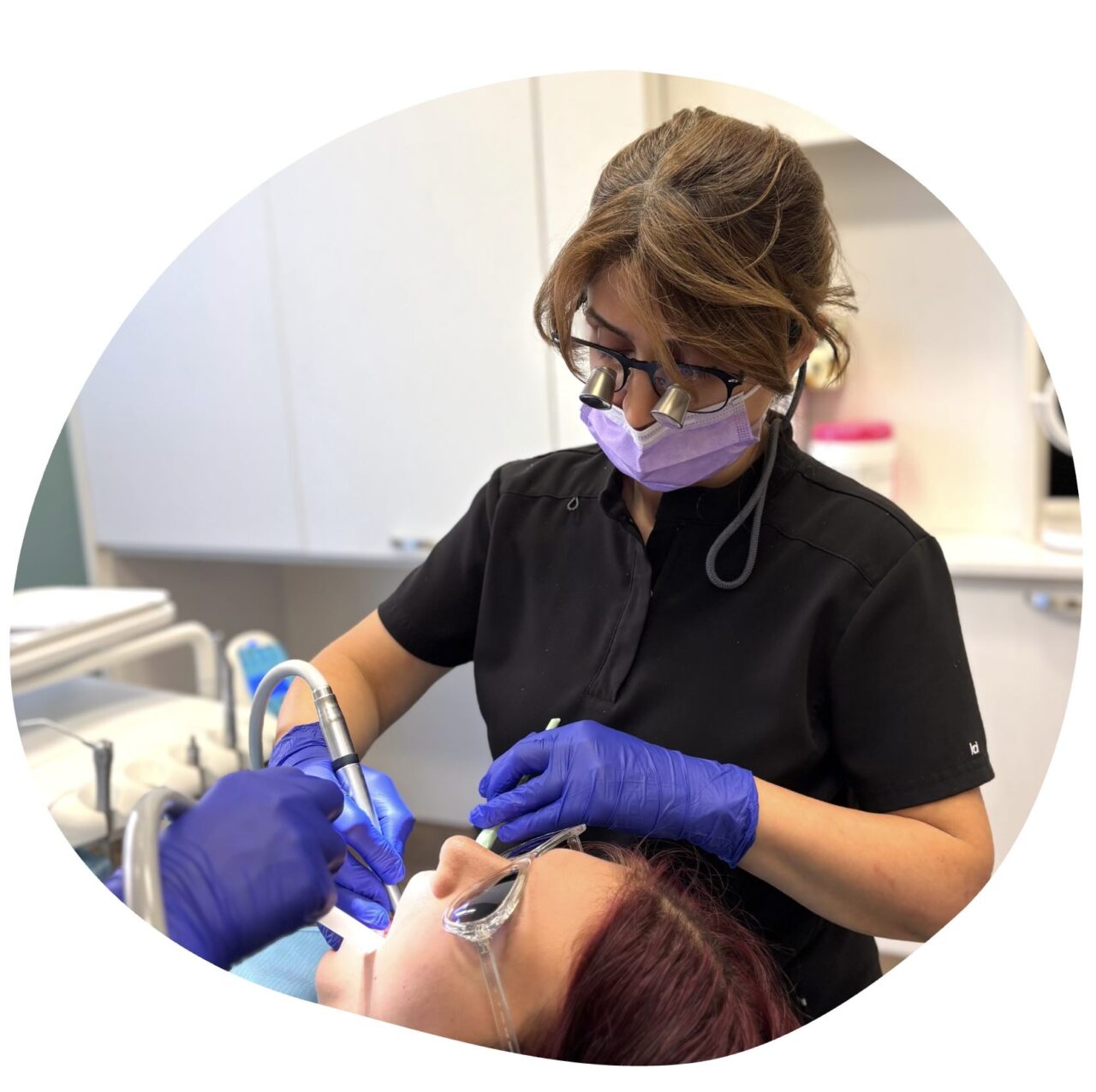
Comprehensive dental cleanings, exams, and protective care for the whole family in North York.

Restore teeth using durable fillings, custom crowns, and bridges near York Mills Road.

Achieve a stunning smile with professional teeth whitening, veneers, and smile design.
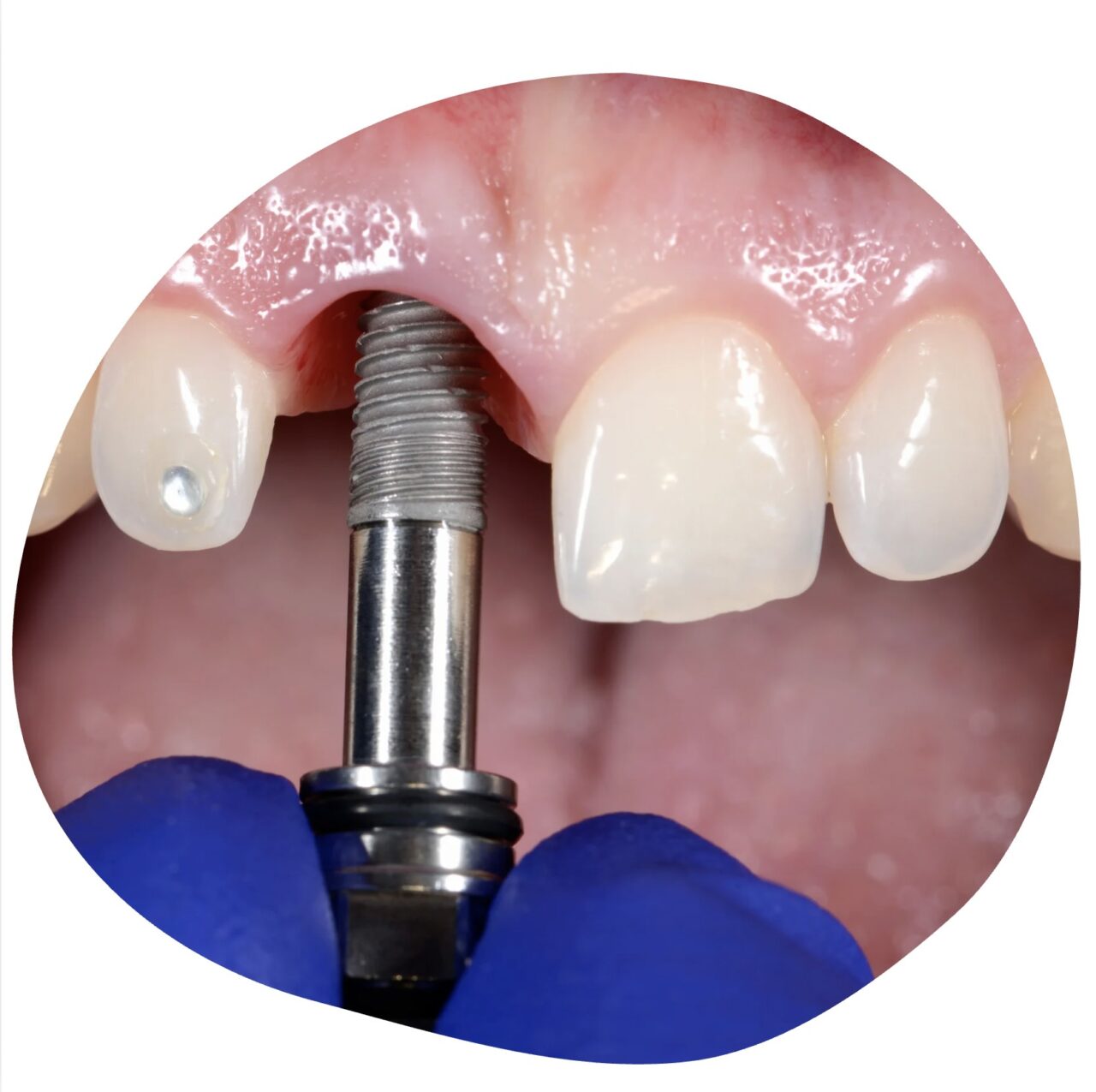
Specialized placement of dental implants, dentures, and fixed prosthetics to replace missing teeth.
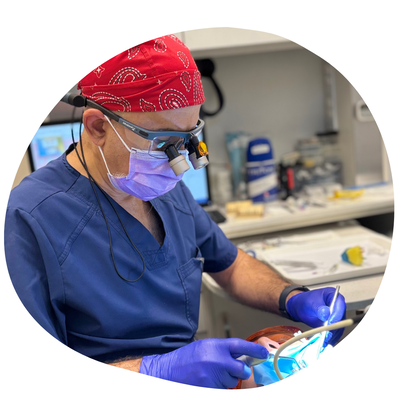
Expert diagnosis and treatment for gum disease, ensuring a healthy foundation for your smile.
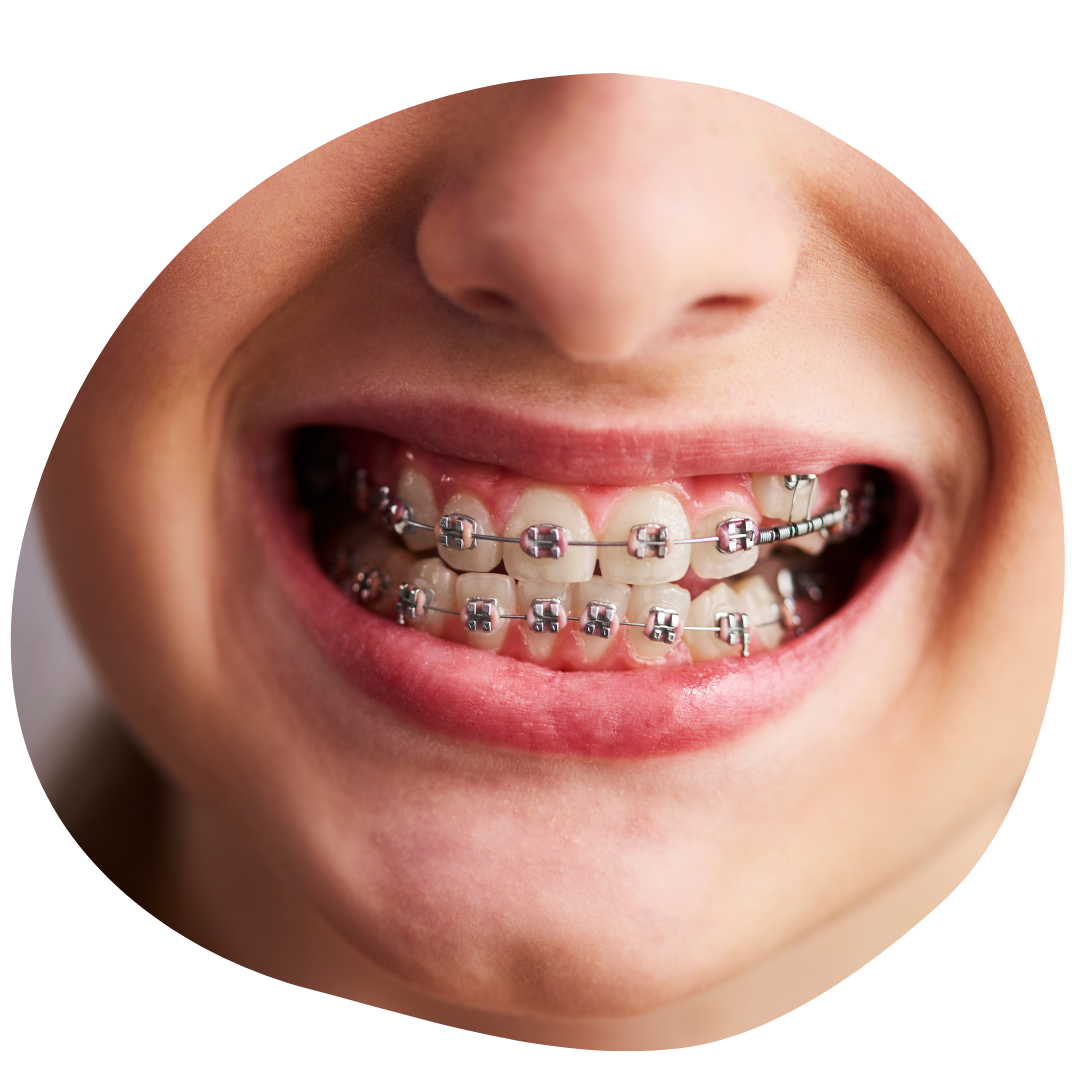
Straighten your teeth discreetly using clear aligners and braces. Orthodontic care for adults and teens.
Gentle, effective Root Canal Therapy to save infected teeth and relieve severe dental pain.

Compassionate and complete dental care focused on building positive habits for children in North York.

We are a friendly team of dentists, hygienists and receptionists who work together to ensure that you receive the best treatment you require.
Copyright 2026 by Orchid Dental Needs Co. All rights reserved.
