
Mon-Wed: 9:30AM-6PM | Thu: 10AM-6PM | Fri: 11AM-7PM | Sat: 9:30AM-4PM | Sun: Closed
Address879 York Mills Rd Unit 6, North York, ON, M3B 1Y5

On this page
An assessment for orthodontics considers alignment and how the upper and lower teeth meet. Teeth, gums and existing restorations need to be healthy enough for the planned movement. Your goals and the complexity of the bite guide the recommendation.
Crowding, spacing and some bite differences can lead to a treatment discussion. These findings have different causes and do not all need the same appliance. Ask which concern is being treated and how success will be assessed.
Overlapping or rotated teeth may be difficult to clean and can affect appearance. The assessment considers the space available and the movements required. Not every crowded smile can be treated in the same way.
Spacing may reflect tooth size, missing teeth or other factors. Closing a gap may involve orthodontics, restorative care or a combination. The cause should be understood before selecting treatment.
An overbite, underbite or other bite difference needs an individual assessment. Some cases involve more than tooth alignment and may require specialist planning. Ask about the limits of treatment.
A crossbite describes a particular relationship between upper and lower teeth. Your dentist assesses which teeth are involved and any effect on function. The appropriate treatment and timing vary.
Braces use brackets and wires to guide tooth movement. They can offer control for some complex movements, but need careful daily cleaning and regular reviews. Ask whether braces are suitable and which types are available.
Age is only one part of orthodontic planning. Gum support, existing dental work and your ability to follow instructions also matter. Children may need monitoring as the teeth and jaws develop.
The choice of appliance depends on the movement required and clinical findings. A specialist opinion may be helpful for complex bite problems. Treatment without referral should not be assumed.
Removable aligners may suit some alignment concerns. Their convenience comes with the responsibility to follow the prescribed wear schedule. They are not appropriate for every patient or automatically faster than braces.
Discuss wear, meals, cleaning and review appointments before starting. A damaged or poorly fitting tray needs advice. Change trays only according to your plan and do not skip stages to speed up treatment.
Ask about options, risks, stages and the expected duration for your case. A preview is a planning tool rather than a guarantee. Teeth may not move exactly as predicted, so refinements can be needed.
Retention helps manage movement after active treatment. Ask which retainer is recommended and how it should be worn and checked. Braces or aligners are only one part of the long-term plan.
Request an assessment at Vita Dentistry in North York to compare appropriate options. Orthodontic services are currently unavailable under CDCP. The official benefits guide explains the current position.
Request an appointment or explore Vita Dentistry services.
Are braces or aligners better for my teeth?
The choice depends on the movements needed, bite and ability to follow the plan. Neither option is automatically best for everyone.
Can adults have orthodontic treatment?
Adults can be assessed, but gum support, existing restorations and other dental needs affect planning.
How long will orthodontic treatment take?
There is no single timeline. The expected stages and duration should be explained after an individual assessment.
Will I need a retainer afterwards?
Retention helps manage movement after treatment. Ask about the recommended retainer, wear and reviews before starting.
Does CDCP cover orthodontics?
Orthodontic services are currently unavailable under CDCP. Consult the current official benefits guide.
For patient education, see the Ontario Dental Association oral health resources. For coverage, consult the current official CDCP benefits guide.
Book a visit to Vita Dentistry, simply fill out the form below and we will contact you back regarding the intervention you require.
What should I bring to an orthodontics assessment?
Bring your medication list and any relevant dental records. Tell us about previous braces, retainers or dental work, and explain what you would like to change.
Can I discuss orthodontics if I have crowns or missing teeth?
Yes. Existing restorations and missing teeth affect planning. Your dentist can explain whether other care or a specialist assessment is needed.
How do I clean around brackets?
Ask for a demonstration of brushing around the brackets and cleaning between teeth. Report sore areas or difficulty keeping an area clean.
What if an aligner or retainer no longer fits?
Contact the dental team for advice. Do not force it into place or skip ahead to another tray without instructions.
Can orthodontics proceed if my gums bleed?
Bleeding gums need assessment. Gum health and support should be reviewed before planned tooth movement; contact the clinic rather than waiting for your next routine visit.
What happens at review appointments?
The team checks progress, appliance fit and oral hygiene. Tell us about discomfort, broken parts or difficulties following your orthodontics plan.
Before deciding, ask about the treatment stages, appointments and retention plan. The right option depends on your assessment; a faster timeline or a particular result cannot be promised before that review. Request an appointment at Vita Dentistry in North York.
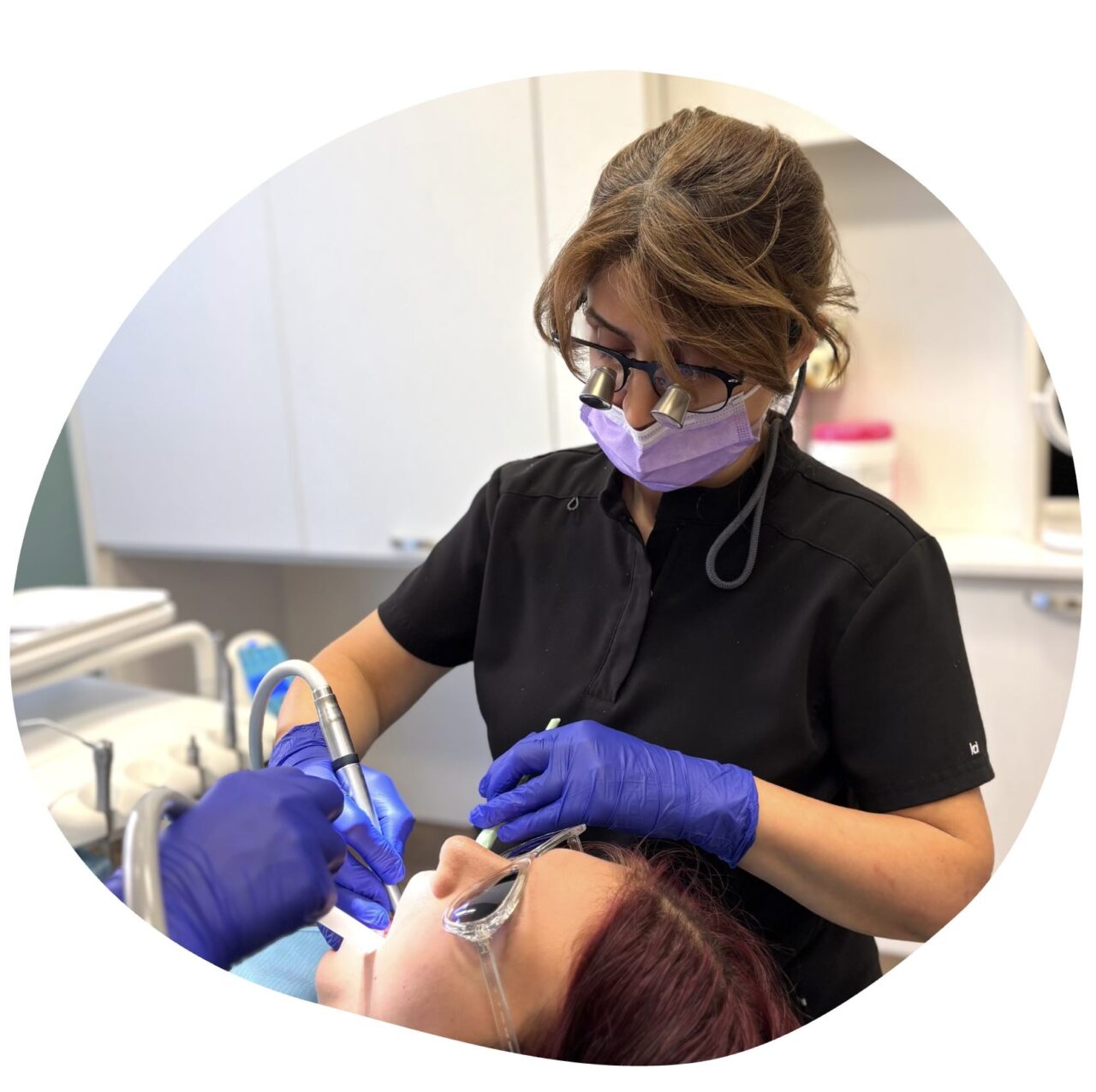
Comprehensive dental cleanings, exams, and protective care for the whole family in North York.

Restore teeth using durable fillings, custom crowns, and bridges near York Mills Road.

Achieve a stunning smile with professional teeth whitening, veneers, and smile design.
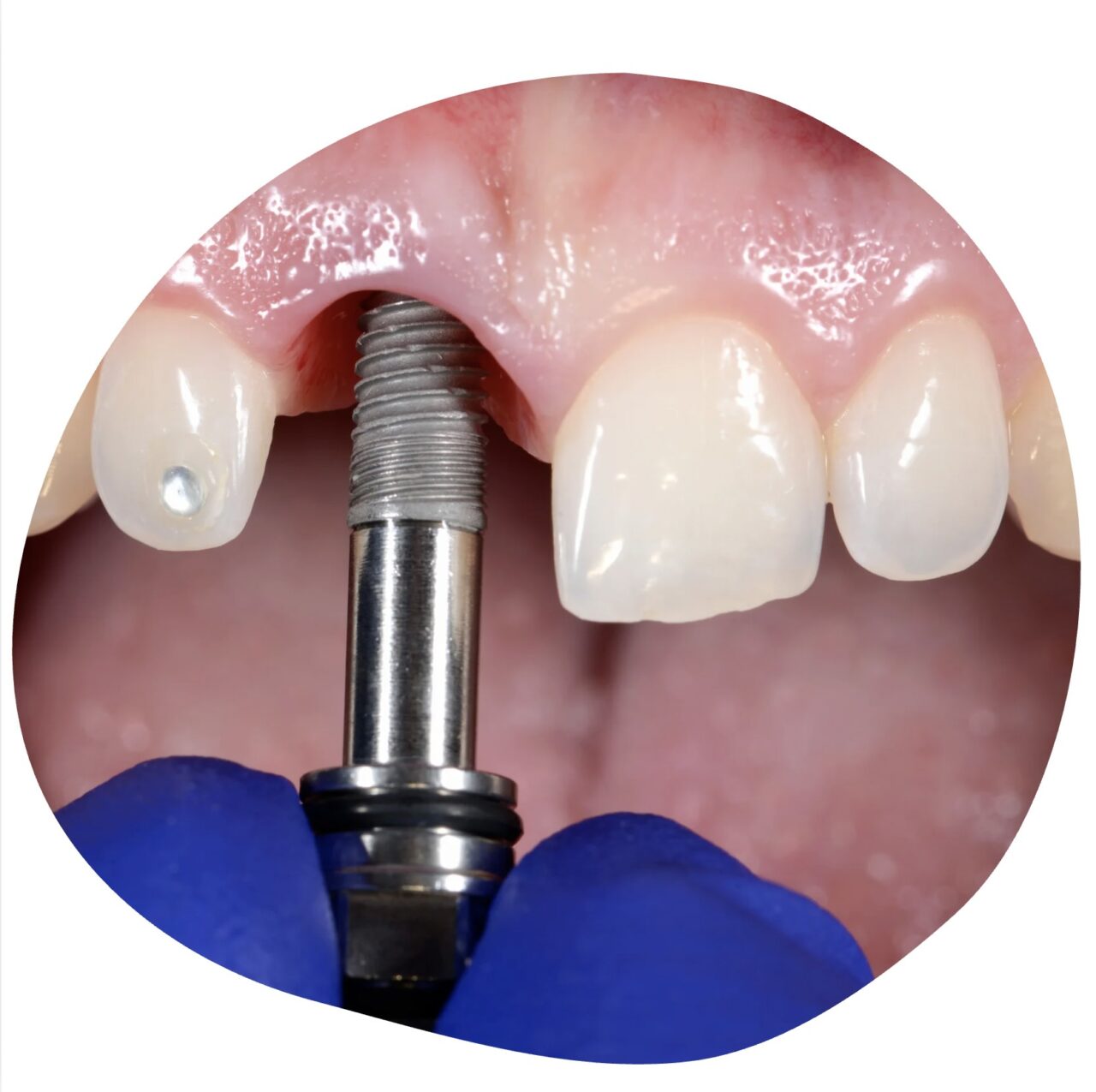
Specialized placement of dental implants, dentures, and fixed prosthetics to replace missing teeth.
Expert diagnosis and treatment for gum disease, ensuring a healthy foundation for your smile.
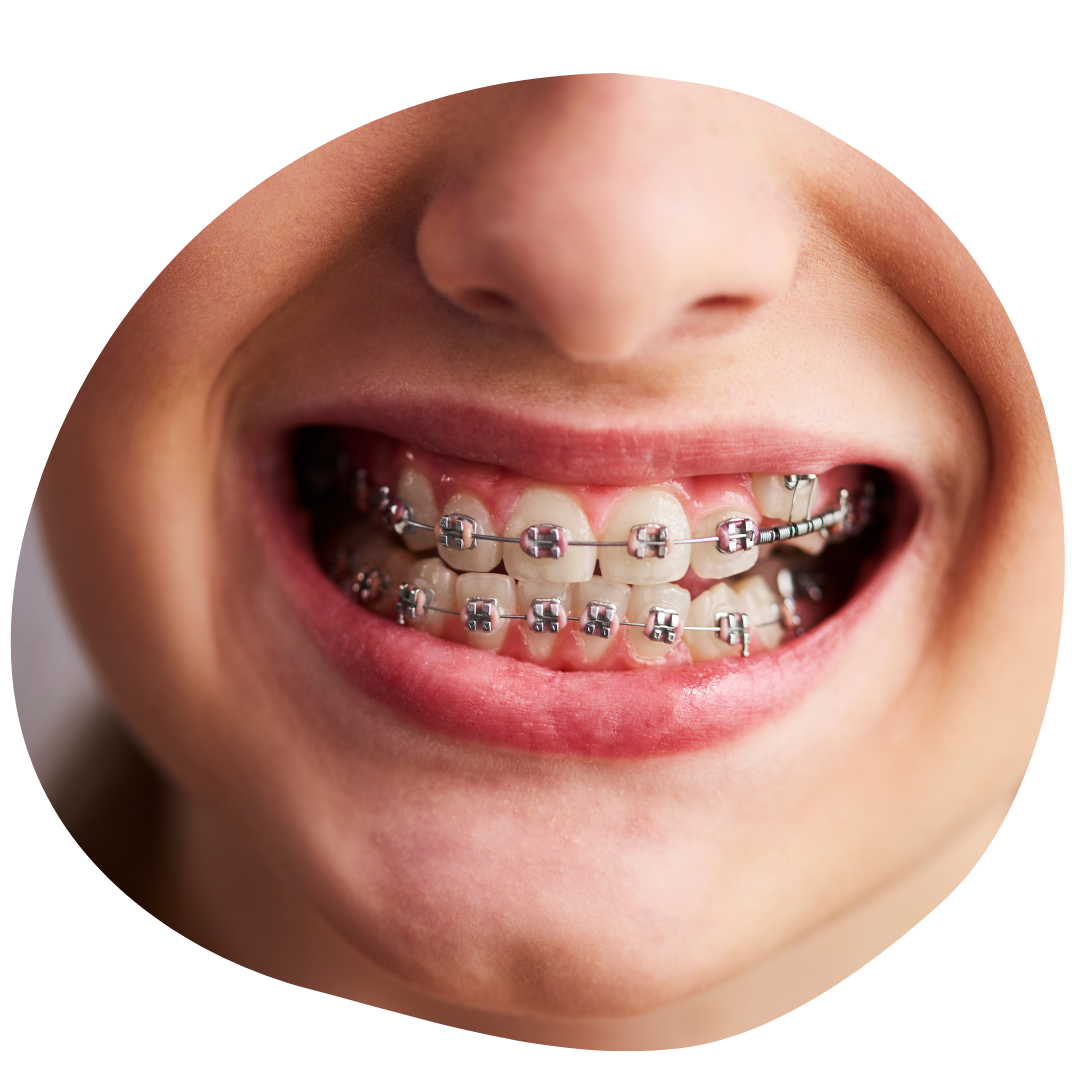
Straighten your teeth discreetly using clear aligners and braces. Orthodontic care for adults and teens.
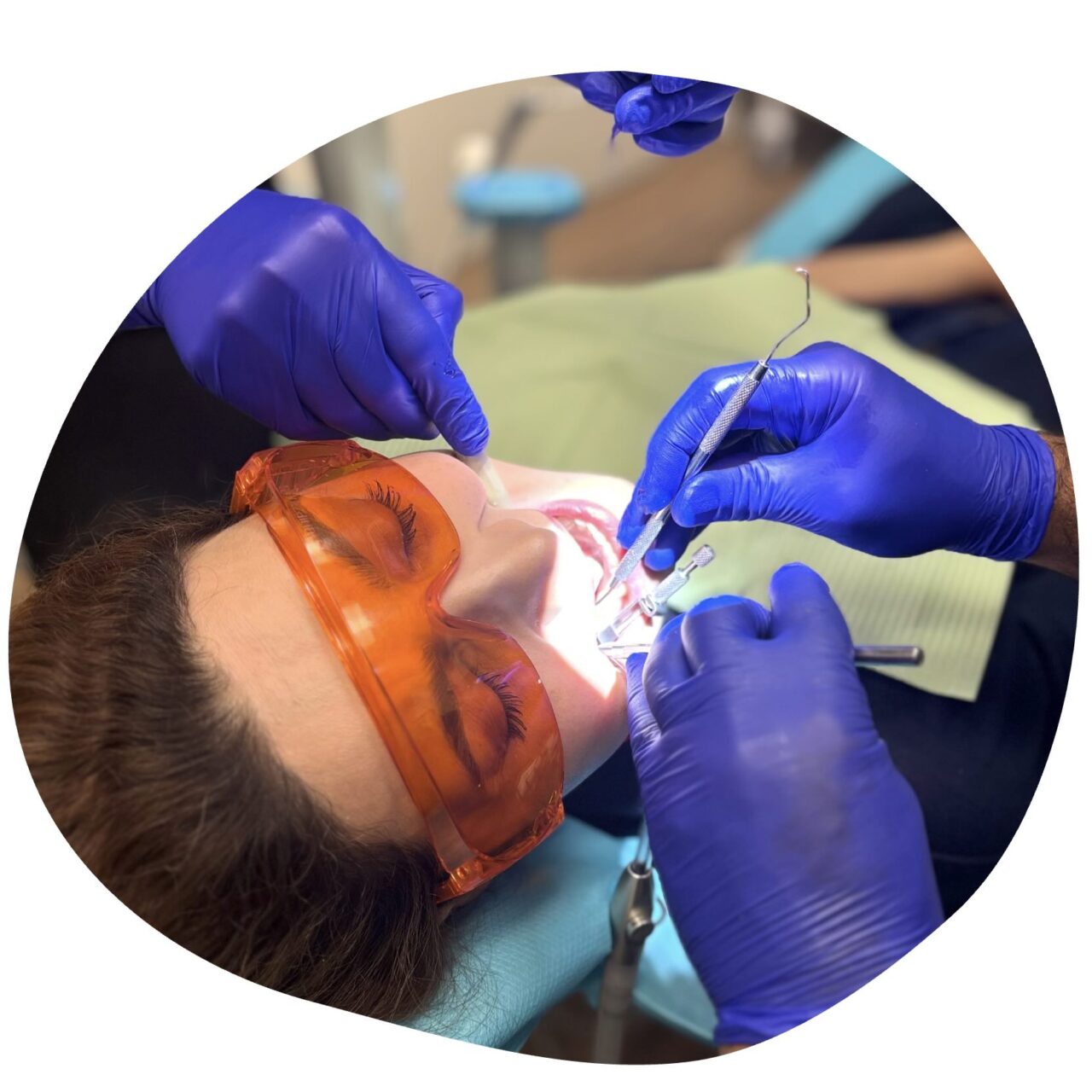
Gentle, effective Root Canal Therapy to save infected teeth and relieve severe dental pain.

Compassionate and complete dental care focused on building positive habits for children in North York.

We are a friendly team of dentists, hygienists and receptionists who work together to ensure that you receive the best treatment you require.
Copyright 2026 by Orchid Dental Needs Co. All rights reserved.
