
Mon-Wed: 9:30AM-6PM | Thu: 10AM-6PM | Fri: 11AM-7PM | Sat: 9:30AM-4PM | Sun: Closed
Address879 York Mills Rd Unit 6, North York, ON, M3B 1Y5

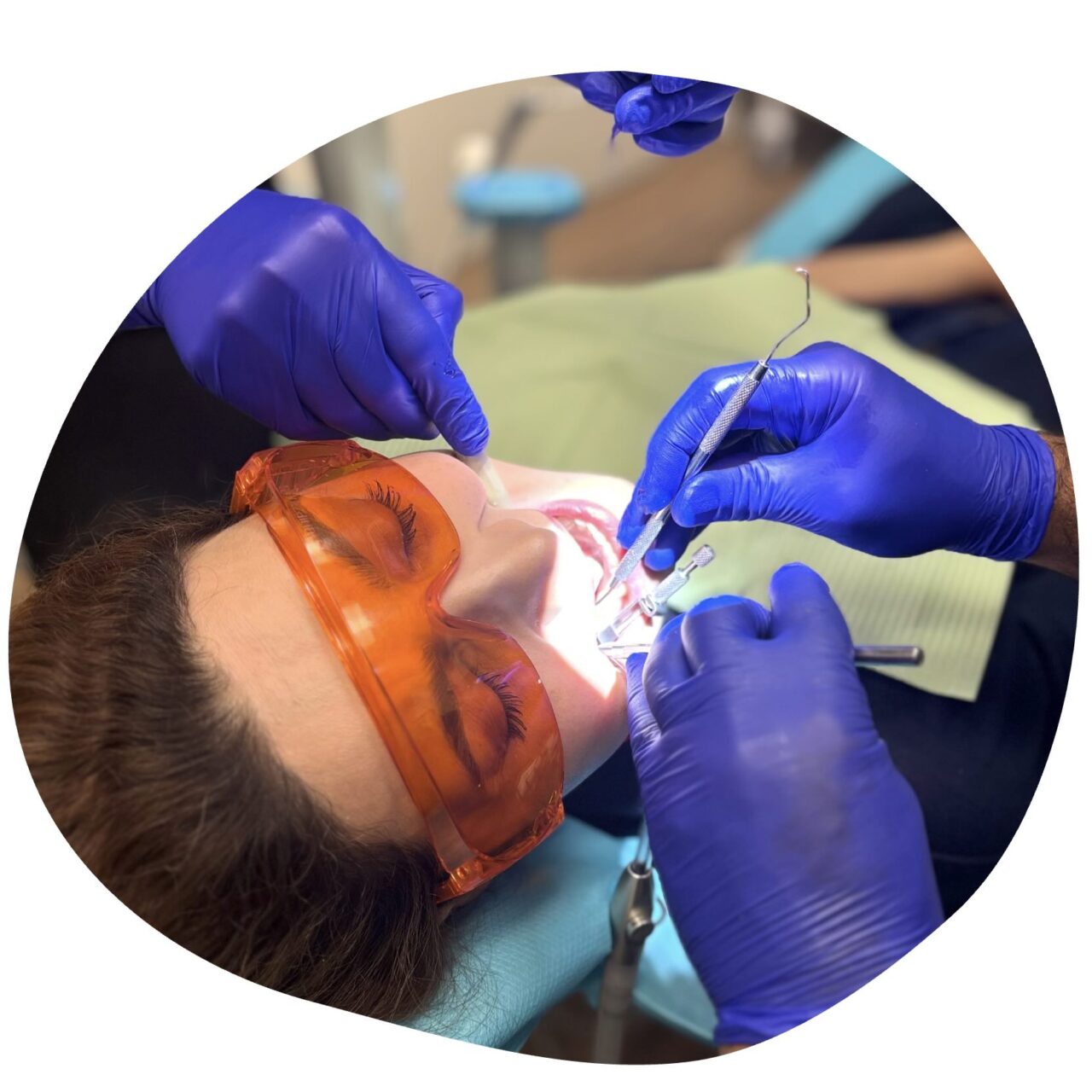
A filling replaces tooth structure lost to decay or damage. The dentist first assesses the extent of the problem and whether a filling is appropriate. A deep cavity or a crack may need a different treatment, even when the visible area looks small.
Material choice depends on the tooth, the size of the repair and chewing forces. Tooth-coloured composite may be suitable for many restorations, but ask which option is recommended for your situation. Appearance is only one part of the decision.
The aim is to repair the affected area while considering the remaining tooth. A filling does not stop future decay by itself. Brushing, interdental cleaning and managing frequent sugary snacks or drinks remain important after treatment.
Sensitivity, a chipped area, a visible hole or food repeatedly catching between teeth can indicate a problem. Some cavities cause no symptoms. Do not wait for pain to determine whether an examination is needed.
Your dentist explains the repair and how discomfort will be managed. After placement, the shape and bite are checked. Ask when it is appropriate to eat, particularly if the area is still numb.
Sensitivity may need review depending on its severity and duration. Call if the filling feels high when you bite, pain is worsening or symptoms continue. The dentist can assess whether an adjustment or further treatment is necessary.
A stained edge does not automatically mean a whole filling must be replaced. The dentist checks for decay, leakage, cracks and function. Ask whether monitoring or a limited repair is possible.
Keep the area clean and attend recommended examinations. Fillings can wear, chip or become loose; a change in the bite or food trapping deserves attention. Avoid using teeth to open packaging or bite very hard objects.
Request an examination for a cavity, broken filling or sensitivity. Eligible CDCP restorative services are subject to plan limits and clinical rules. Confirm the proposed restoration and coverage before treatment.
Request an appointment or explore Vita Dentistry services.
Do dental fillings hurt?
Most patients are surprised by how comfortable getting a filling is. We numb the area thoroughly with local anesthetic before we begin, so you should feel pressure but not pain during the appointment. If you tend to feel anxious about dental work, let us know — our comfort-first approach at Vita Dentistry means we’ll go at your pace and check in with you throughout.
How long do tooth-coloured fillings last?
With good oral hygiene and regular check-ups, a composite filling typically serves you well for many years, though its lifespan depends on the size of the filling, where it is in your mouth, and habits like teeth grinding. Larger fillings and those on back teeth that take heavy chewing forces may need attention sooner. During your regular exams, we check every filling for wear so small issues can be addressed before they become bigger ones.
Should I have my old silver amalgam fillings replaced?
Not automatically. We take a conservative approach: if an old amalgam filling is intact, sealed, and doing its job, we usually leave it alone. We recommend replacement only when a filling is cracked, leaking, worn, or decay has formed underneath it. At your check-up, we’ll show you what we see and explain our reasoning so you can make an informed decision.
Will a tooth-coloured filling match the rest of my tooth?
Yes — that’s one of their biggest advantages. We shade-match the composite material to your natural tooth colour before placing it, so the repair blends in discreetly. Once polished, most people can’t tell where the filling ends and the natural tooth begins, even on front teeth.
What should I expect after my filling appointment?
Numbness can last after local anaesthesia, so follow advice about eating and avoiding accidental biting. Some sensitivity can occur, but an uneven bite, worsening pain or symptoms that do not improve should be reviewed. Contact the clinic for advice.
Does the Canadian Dental Care Plan cover dental fillings?
Fillings are among the basic restorative services the CDCP may cover for eligible patients. Coverage is never automatic — eligibility is assessed first, and reimbursement follows the CDCP fee guide, which may differ from the full fee. Vita Dentistry accepts CDCP for eligible patients here in North York; our team can help you understand what your plan may cover before treatment begins.
For patient education, see the Ontario Dental Association oral health resources. For coverage, consult the current official CDCP benefits guide.
Book a visit to Vita Dentistry, simply fill out the form below and we will contact you back regarding the intervention you require.
Mention any sensitivity or discomfort when biting, even if it comes and goes. If a previous filling feels loose or has broken, an assessment helps determine whether it can be repaired or needs to be replaced. Request an appointment at Vita Dentistry in North York.
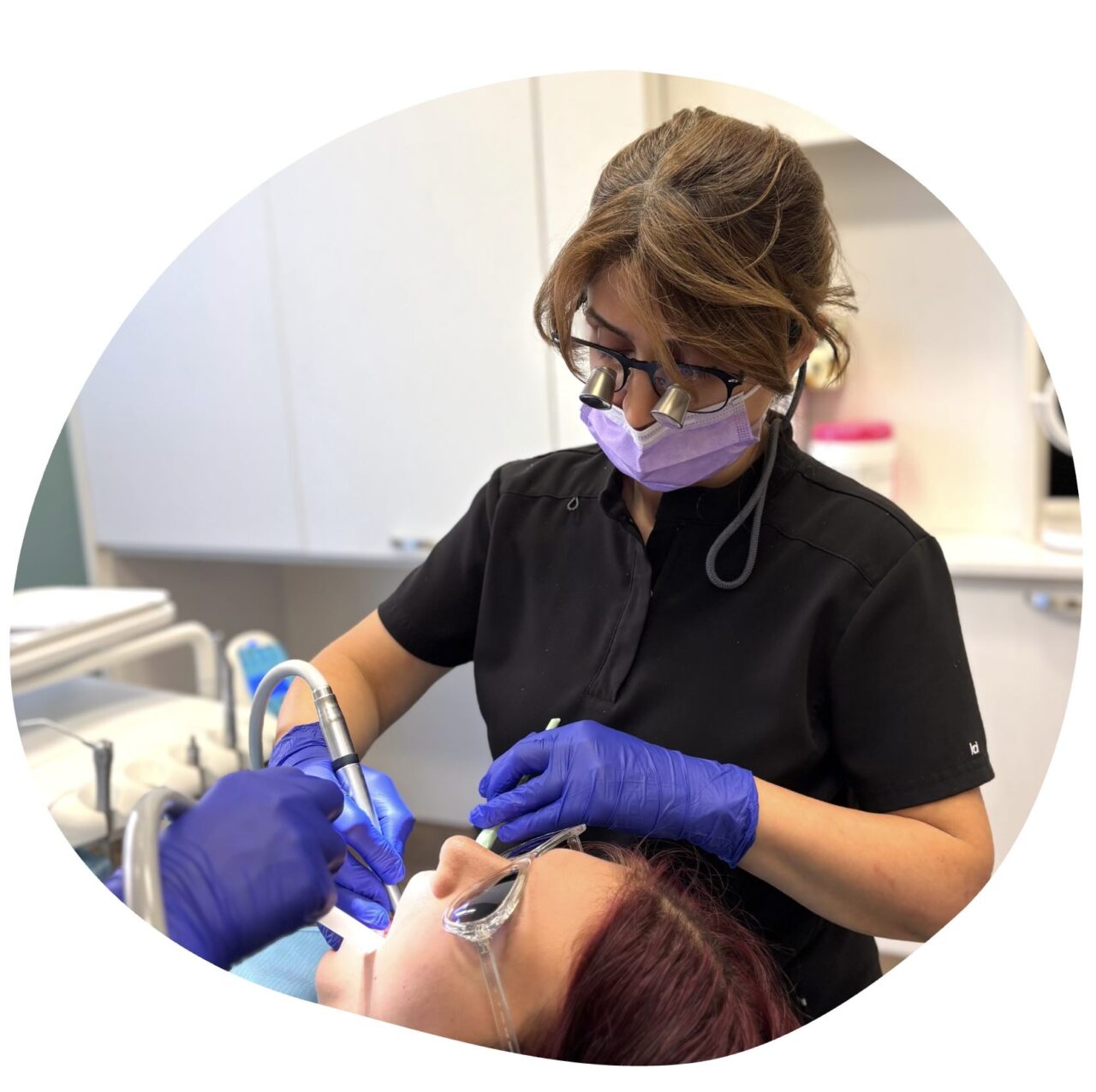
Comprehensive dental cleanings, exams, and protective care for the whole family in North York.

Restore teeth using durable fillings, custom crowns, and bridges near York Mills Road.

Achieve a stunning smile with professional teeth whitening, veneers, and smile design.
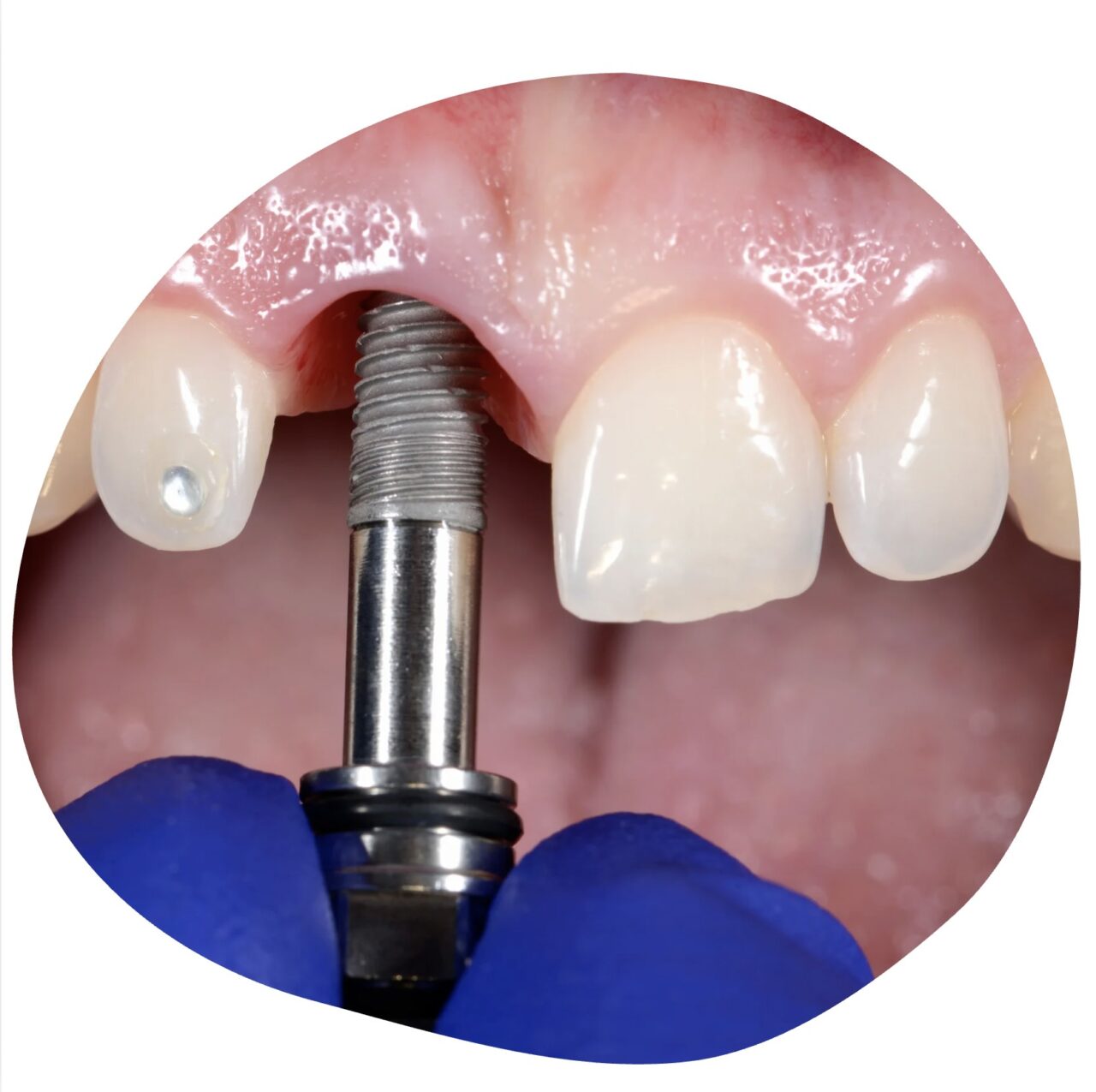
Specialized placement of dental implants, dentures, and fixed prosthetics to replace missing teeth.
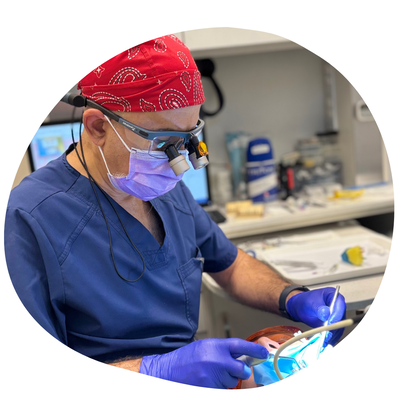
Expert diagnosis and treatment for gum disease, ensuring a healthy foundation for your smile.
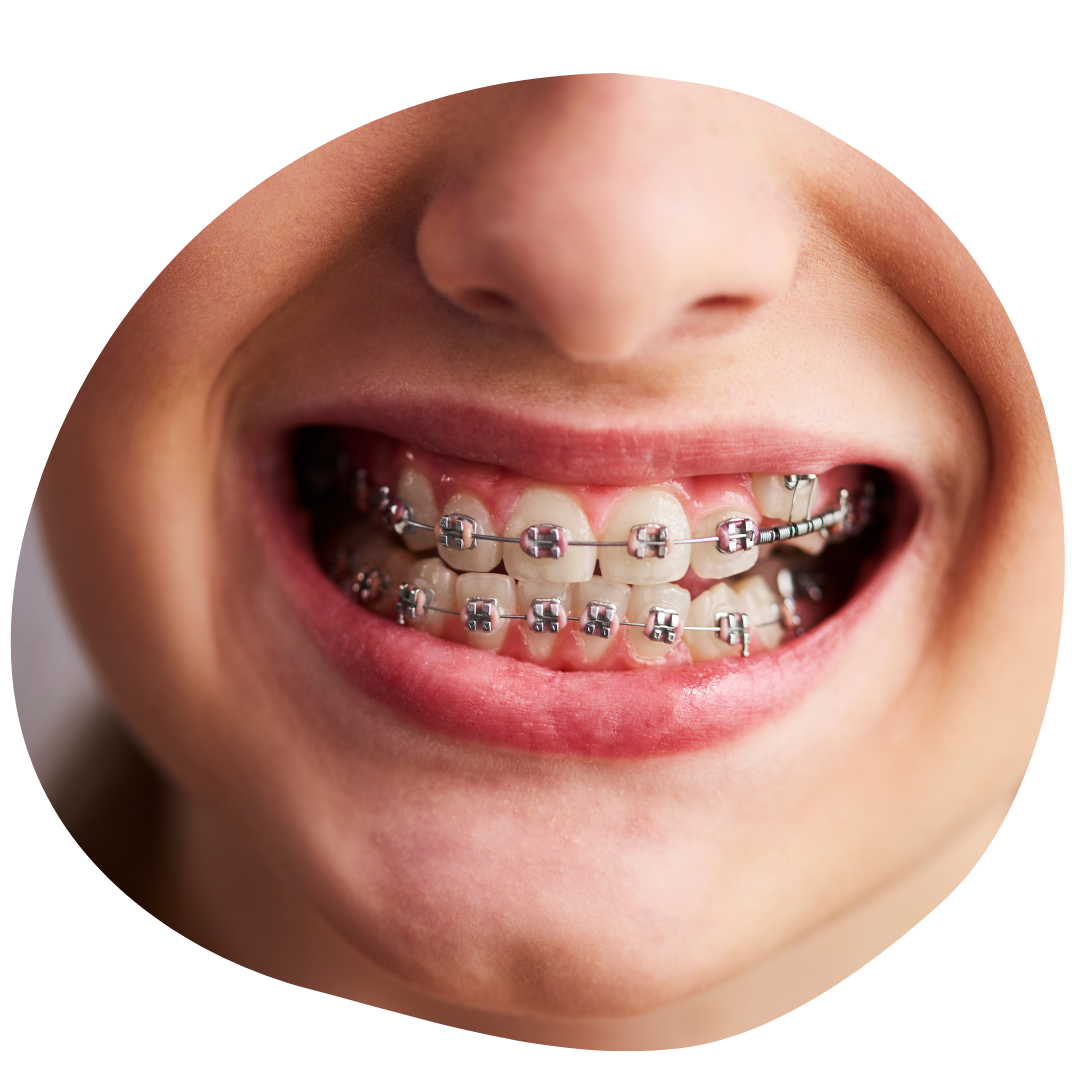
Straighten your teeth discreetly using clear aligners and braces. Orthodontic care for adults and teens.
Gentle, effective Root Canal Therapy to save infected teeth and relieve severe dental pain.

Compassionate and complete dental care focused on building positive habits for children in North York.

We are a friendly team of dentists, hygienists and receptionists who work together to ensure that you receive the best treatment you require.
Copyright 2026 by Orchid Dental Needs Co. All rights reserved.
