Mon-Wed: 9:30AM-6PM | Thu: 10AM-6PM | Fri: 11AM-7PM | Sat: 9:30AM-4PM | Sun: Closed
Address879 York Mills Rd Unit 6, North York, ON, M3B 1Y5
On this page
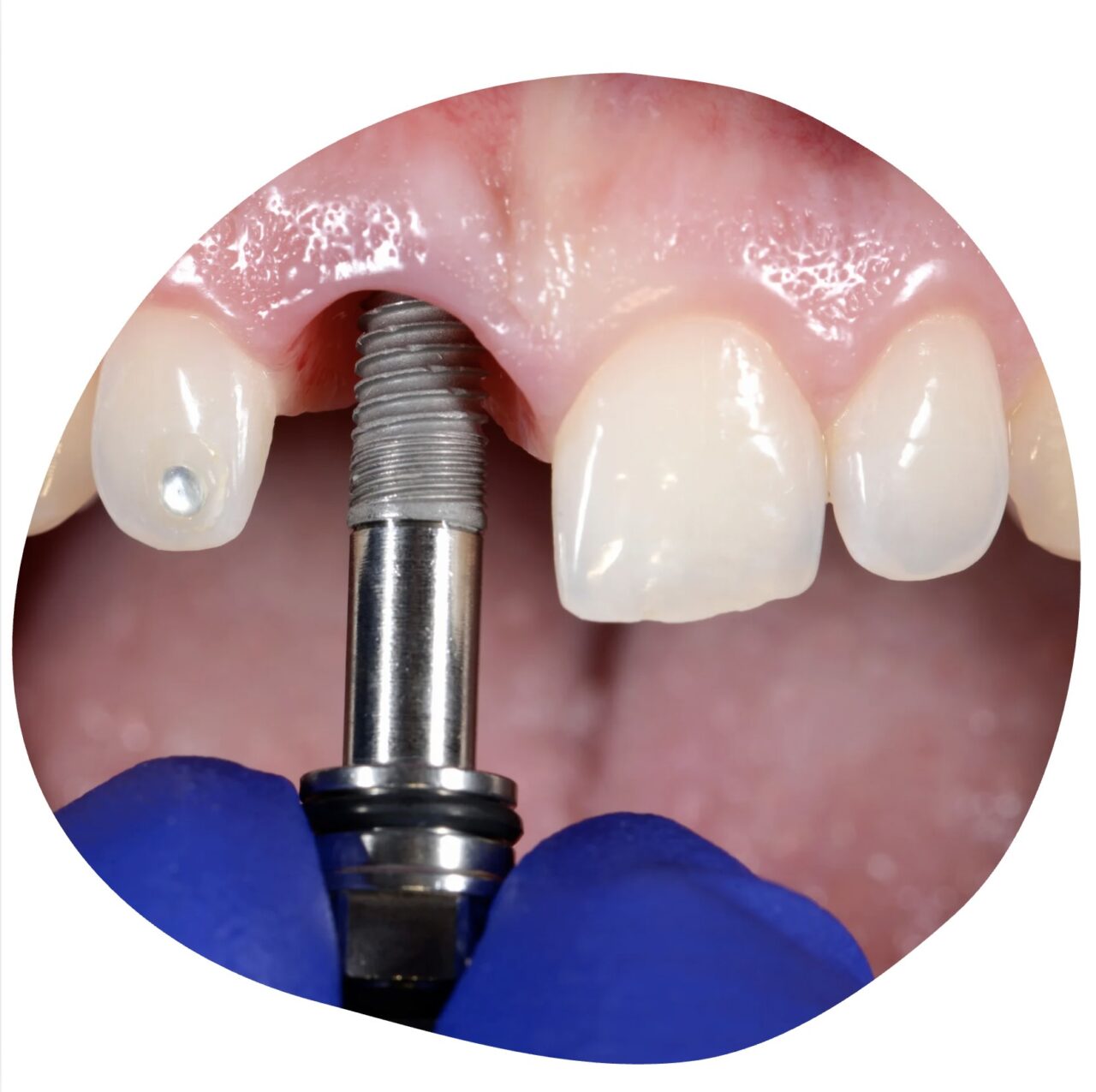
An implant is a surgically placed support for a replacement tooth or restoration. The implant, connecting component and crown each have a role. Replacing a tooth is a staged treatment decision, not a promise that a new tooth will last forever.
A single missing tooth, several gaps and a full arch have different requirements. Implant-supported crowns, bridges or dentures may be considered, alongside conventional bridges and removable dentures. Availability and suitability should be confirmed during an assessment.
Planning considers bone, gum health, medical history, smoking and the bite. Active disease may need attention first. Imaging is selected when clinically justified. Ask whether an implant is appropriate and whether another replacement option would meet your goals.
Assessment, placement, healing and fitting the restoration may require separate appointments. Some cases need additional treatment or specialist referral. Your dentist should explain the expected sequence and what you will use during healing; an immediate fixed tooth is not suitable for everyone.
An implant cannot develop a tooth cavity, but the tissues around it can become inflamed or lose supporting bone. Clean as instructed and keep review visits. Let your dentist know about bleeding, swelling, movement or discomfort around an implant.
Ask who will perform each stage, what alternatives exist and which risks apply to your health. If bone grafting is discussed, ask why it is needed and how it affects the plan. Treatment in a single clinic should not be assumed.
Chewing comfort and appearance depend on the restoration, supporting tissues and individual anatomy. No treatment can guarantee a specific result or lifelong service. A written plan helps clarify the stages, maintenance and circumstances that could change the recommendation.
Follow your specific aftercare instructions and arrange the recommended reviews. Avoid putting pressure on the site beyond what your treating dentist allows. Report persistent bleeding, increasing swelling or a change in the fit of your temporary or final restoration.
Request a dental implant assessment at Vita Dentistry in North York to compare options for missing teeth. Dental implants and bone grafts are excluded from CDCP coverage. Read the official benefits guide and ask the clinic about the treatment pathway.
Request an appointment or explore Vita Dentistry services.
Suitability depends on bone, gum health, medical history and the bite. An assessment is needed before recommending an implant.
Immediate replacement is not appropriate for every case. Your plan should explain surgery, healing and restoration stages.
No treatment has a guaranteed lifetime. The supporting tissues and restoration need daily care and review.
A bridge or removable denture may be considered according to your teeth, gums and preferences.
Dental implants and bone grafts are excluded from CDCP coverage. Check the current official benefits guide.
Implant planning considers the amount and quality of bone. If there is not enough bone to support an implant securely, additional treatment such as bone grafting may be discussed, or a different replacement option or a specialist referral may be more appropriate. Your assessment should explain why any additional treatment is suggested and how it changes the stages and healing time.
That depends on the position of the missing tooth and your treatment plan. Some patients use a temporary replacement during healing; in other cases the area is left to heal before the final crown, bridge or denture is fitted. Ask what you will use between stages, and how to clean it and what to eat while healing.
Clean around the implant and its restoration as your dental team shows you, keep regular review visits, and report bleeding, swelling, movement or discomfort. An implant cannot develop a cavity, but the gum and bone around it can become inflamed, so daily care and reviews are part of the treatment, not an extra.
For patient education, see the Ontario Dental Association oral health resources. For coverage, consult the current official CDCP benefits guide.
Vita Dentistry’s dentists practise to the standards of the Royal College of Dental Surgeons of Ontario (RCDSO). You can verify a dentist’s registration on the RCDSO website.
Before an assessment for dental implants, note which teeth are missing, how long the gaps have been present and whether you use a denture or bridge. Bring your medication list and tell the dentist about previous oral surgery, gum treatment or problems with a restoration. Recent relevant dental records may help the assessment; ask the team how these can be shared.
Discuss the full pathway rather than placement alone. Ask who will assess, place and restore the implant, whether a referral is needed and what you will use while healing. If a temporary replacement is proposed, ask about cleaning, eating and what changes should prompt a call. Follow instructions specific to your plan rather than a general timeline found online.
Compare the practical care required for dental implants with the care of a conventional bridge or removable denture. Ask for a demonstration of cleaning around the proposed restoration and discuss how reviews will be arranged. The best option depends on your assessment, your preferences and your ability to maintain it.
At our clinic at 879 York Mills Road, Unit 6, you can request an assessment and ask which options are appropriate. Appointment availability, treatment stages and any additional evaluation must be confirmed. Dental implants and bone grafts are excluded from CDCP; other replacement services have their own eligibility and program rules.
Before your own assessment, read the questions patients ask at an implant assessment — what to bring, how to compare your options and how to turn the visit into a written plan.
An implant consultation is a chance to understand suitability, treatment stages and maintenance. Ask about alternatives and whether additional assessment or specialist care would be appropriate for your case. Request an appointment at Vita Dentistry in North York.
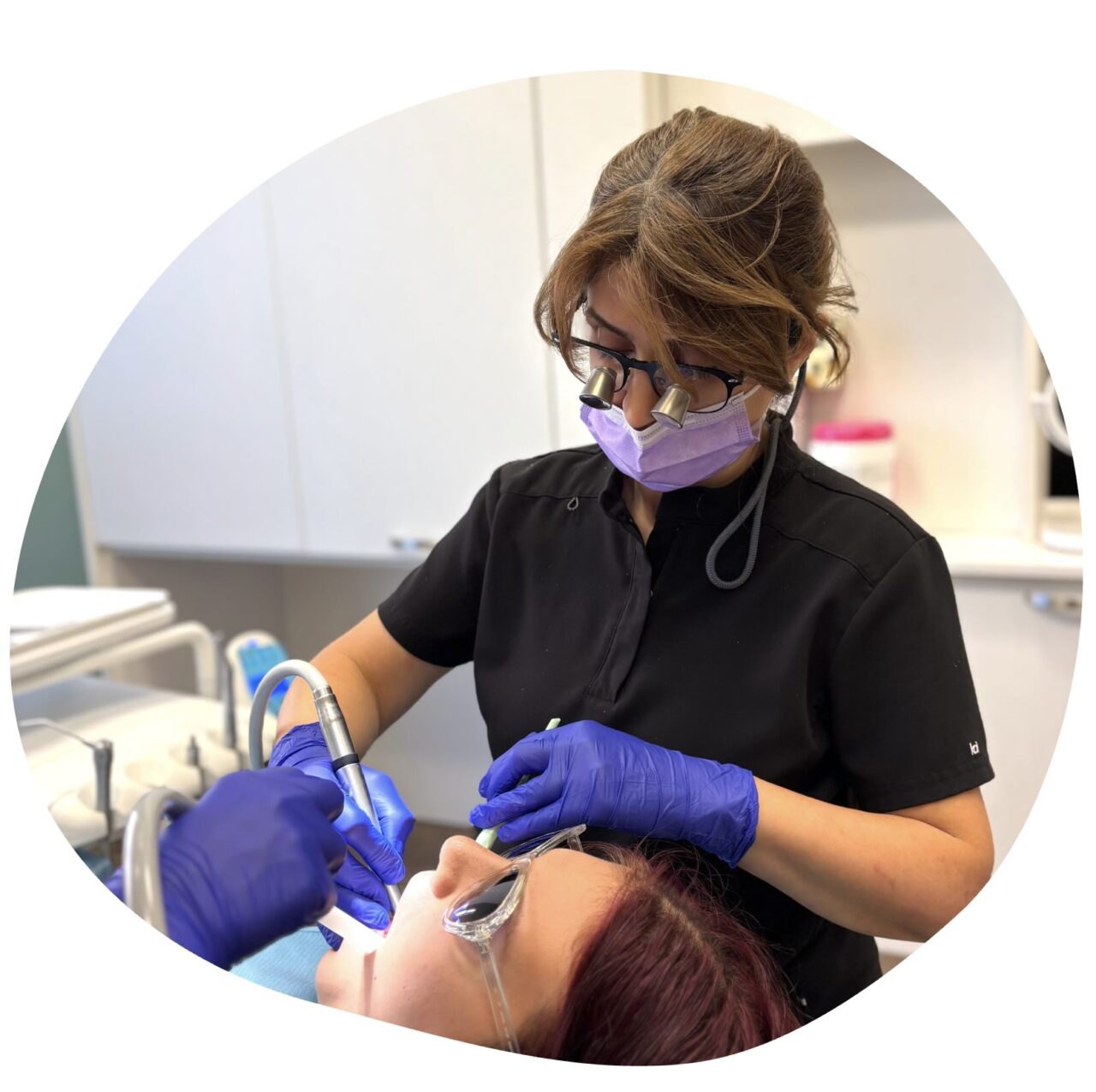
Comprehensive dental cleanings, exams, and protective care for the whole family in North York.

Restore teeth using durable fillings, custom crowns, and bridges near York Mills Road.

Achieve a stunning smile with professional teeth whitening, veneers, and smile design.
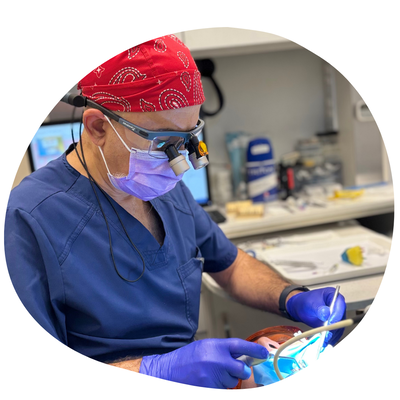
Assessment and treatment options for gum disease, with advice about maintaining gum health.
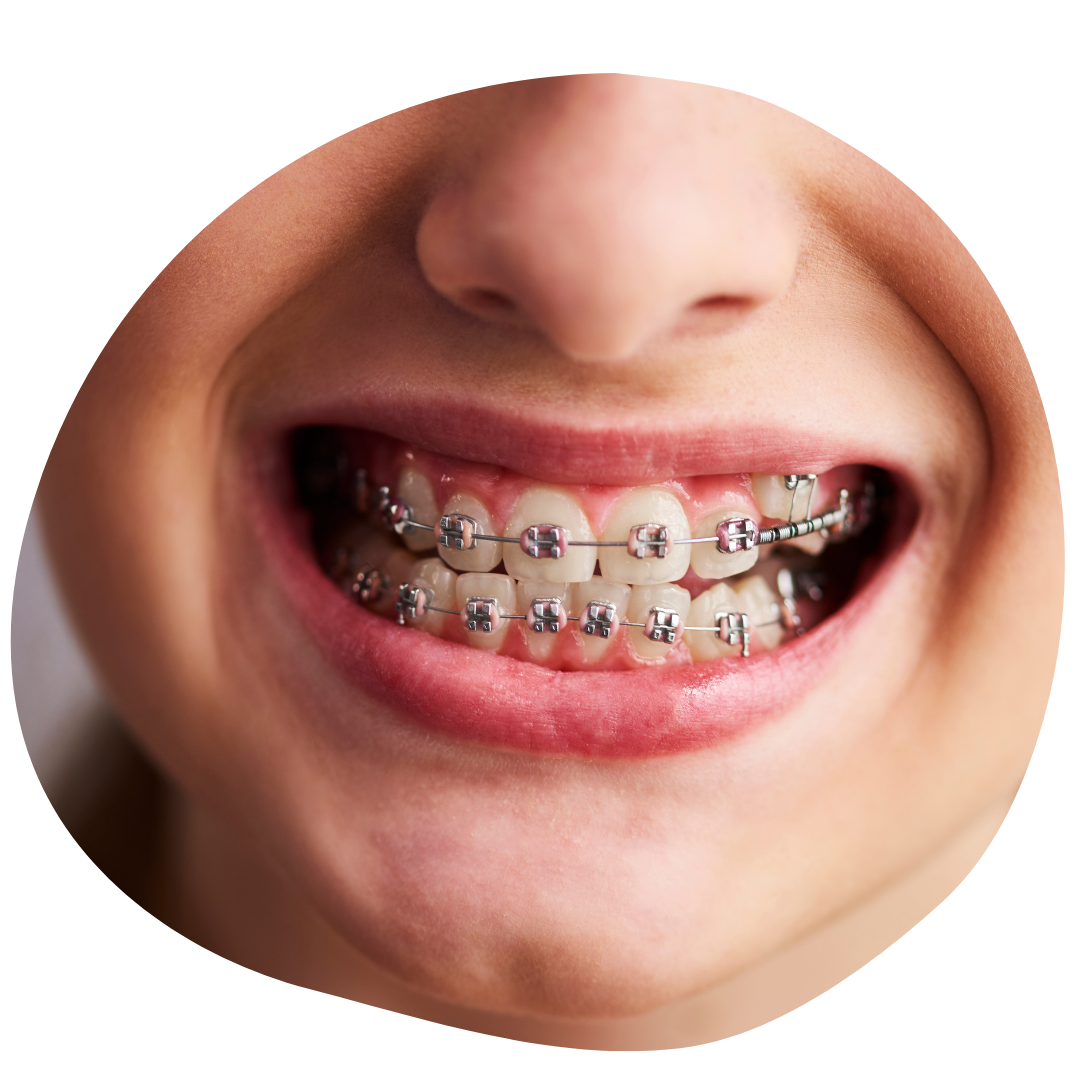
Straighten your teeth discreetly using clear aligners and braces. Orthodontic care for adults and teens.
Gentle, effective Root Canal Therapy to save infected teeth and relieve severe dental pain.

Compassionate and complete dental care focused on building positive habits for children in North York.
We are a friendly team of dentists, hygienists and receptionists who work together to plan the treatment you need.
Copyright 2026 by Orchid Dental Needs Co. All rights reserved.