Mon-Wed: 9:30AM-6PM | Thu: 10AM-6PM | Fri: 11AM-7PM | Sat: 9:30AM-4PM | Sun: Closed
Address879 York Mills Rd Unit 6, North York, ON, M3B 1Y5
On this page
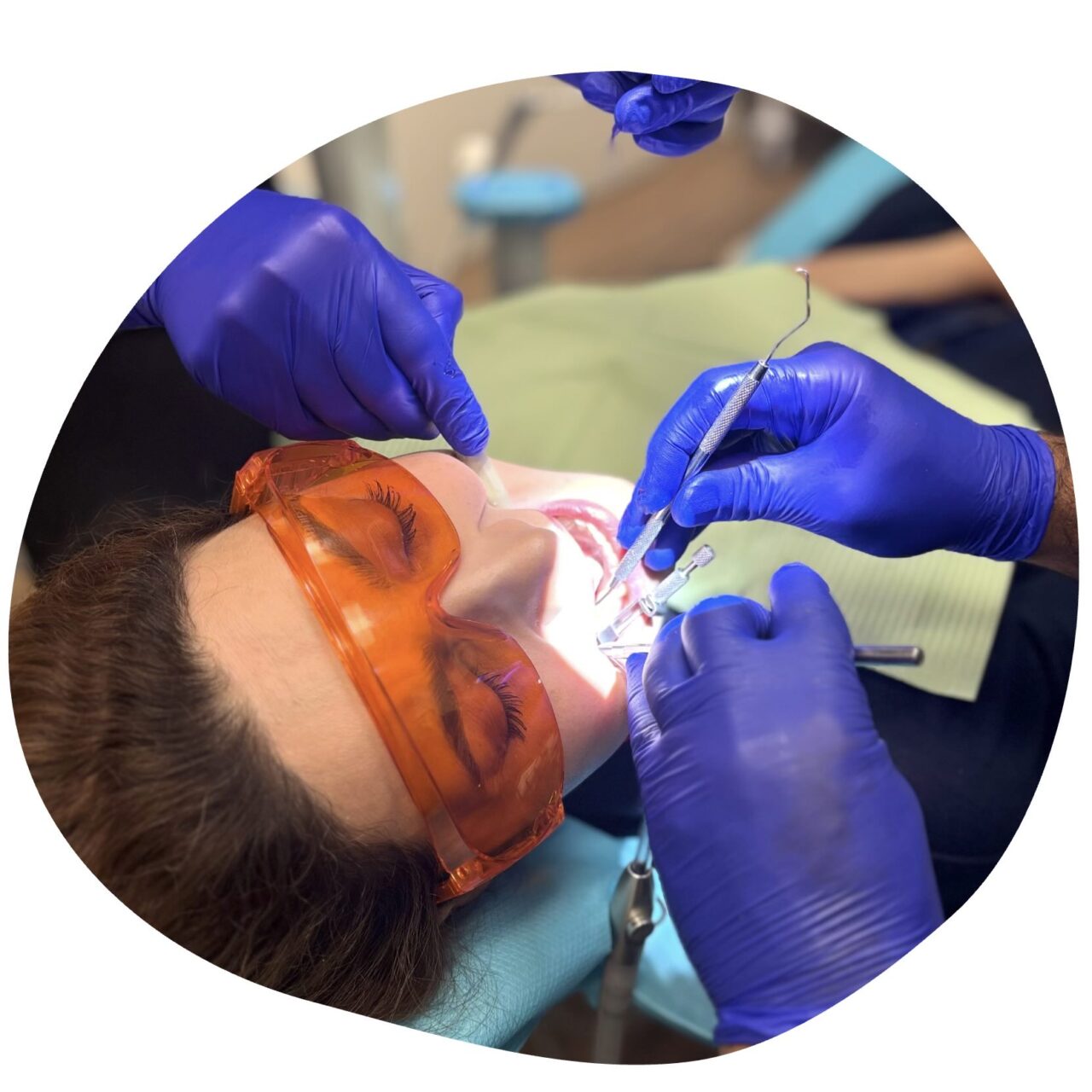
An examination looks at teeth, gums, existing restorations, bite and the soft tissues of the mouth. Tell your dentist about sensitivity, bleeding or changes you have noticed. Reviewing medical history and medications helps put findings in context.
The examination assesses your health and guides decisions. A cleaning removes deposits and supports preventive care. They may be booked together, but imaging, fluoride and other services are selected according to need rather than automatically included in every examination.
Some decay and gum problems develop with little discomfort. An examination may identify a concern before you notice symptoms, although no screening can guarantee that every condition is detected. Ask what was found and whether treatment or monitoring is recommended.
Your dentist recommends reviews according to your oral health and risk. There is no universal appointment interval for every adult or child. Gum disease, frequent decay and changes in health may require a different plan.
Bring a current medication list and explain any dental or medical changes. If you are transferring from another clinic, ask about obtaining relevant records. Existing images may help avoid unnecessary repeat imaging when they remain suitable.
Before your dental exam, make a short list of changes since your last appointment. Include when a symptom began, whether it comes and goes, and what seems to trigger it. Mention a tooth that catches food, a rough filling edge or a change in how your teeth meet, even if the area is not painful. These details help the dentist decide what needs a closer look. Tell the clinic when booking if you have pain or swelling so the team can advise on the timing of your visit.
If you are moving from another practice, let us know where your recent dental records and images are held. Ask how relevant records can be transferred before the appointment. Tell the team about any recent change to your contact details as well. A previous image is useful only if it answers the current clinical question and remains suitable. Your dentist can explain whether a new image would add information. You do not need to guess which X-ray to request or assume that a full set is part of every check-up.
Ask your dentist to explain the findings in clear language and show you relevant images where helpful. Discuss options, including the reasons for monitoring rather than treating a finding immediately. An agreed plan should reflect your individual needs.
At the end of your dental exam, ask which findings need attention now and which can be reviewed later. It can help to take notes about the tooth or area involved, the options discussed and what would prompt an earlier return. If you are unsure about a recommendation, ask the dentist to explain its purpose and the alternatives. Understanding the reason for treatment or monitoring is part of making an informed decision about your own care.
An examination and a treatment appointment can have different goals. The assessment may identify a need for cleaning, repair of a restoration or further investigation, but the next step depends on the findings. Ask how those visits fit together and whether another provider should be involved. Where you use CDCP, the clinic can check the proposed service against current benefits. A benefit limit does not replace the clinical discussion about what your mouth needs or when symptoms should be assessed.
Tell the team before the appointment if you are nervous or have been away from dental care. You can ask for explanations or pauses. The first assessment can help establish priorities without assuming that all treatment must begin at once.
Brush and clean between teeth daily and ask about areas that are difficult to reach. Mention a persistent sore, bleeding or a new lump instead of waiting for the next planned examination. New symptoms can change when you need to be seen.
Before leaving, confirm the agreed follow-up and how to contact the clinic if something changes. Ask for a demonstration if you are unsure how to clean a difficult area around dental work. Keep a note of questions that arise after the appointment so you can raise them at the next review. If you cannot remember an instruction, call to clarify rather than changing the plan yourself. Your next dental exam is a chance to review how the advice worked for you and whether your needs have changed.
Request an examination at Vita Dentistry and let us know if you have a particular concern. Eligible CDCP diagnostic examinations are subject to frequency limits and other rules. Verify benefits for the proposed visit.
Request an appointment or explore Vita Dentistry services.
Your recall interval depends on your oral health, medical history and risk of decay or gum disease. Some people need closer reviews than others. Ask your dentist to explain the timing for you; a dental exam schedule is individual and can change as your needs change.
A dental exam assesses teeth, gums, existing dental work, the bite and soft tissues of the mouth. Tell the team about sensitivity, bleeding or persistent changes. Imaging is selected when clinically justified; it is not automatically needed at every visit.
Tell us about your concerns and any anxiety before the visit. The assessment helps establish your current needs and priorities. You can ask for explanations, agree on a pause signal and discuss treatment in stages rather than assuming everything must begin immediately.
Some dental and gum problems develop with little discomfort. A dental exam helps assess changes that you may not have noticed, but no examination guarantees detection of every condition. Contact the clinic about new or persistent symptoms rather than waiting for your next routine appointment.
An examination assesses your oral health and guides decisions about treatment or monitoring. A cleaning removes deposits from the teeth. They may be scheduled together, but they have different purposes. Ask which services are planned for your visit and why they are recommended.
Eligible diagnostic examinations may be covered under CDCP, subject to the type of exam, frequency limits and other program rules. Confirm that your coverage is active and ask the clinic to check the proposed visit. A recommended dental exam and the available benefit interval may differ.
For patient education, see the Ontario Dental Association oral health resources. For coverage, consult the current official CDCP benefits guide.
Let us know about pain, sensitivity or anything you have noticed since your last visit. Your dentist will explain which checks are relevant and discuss next steps before you make treatment decisions. Request an appointment at Vita Dentistry in North York.
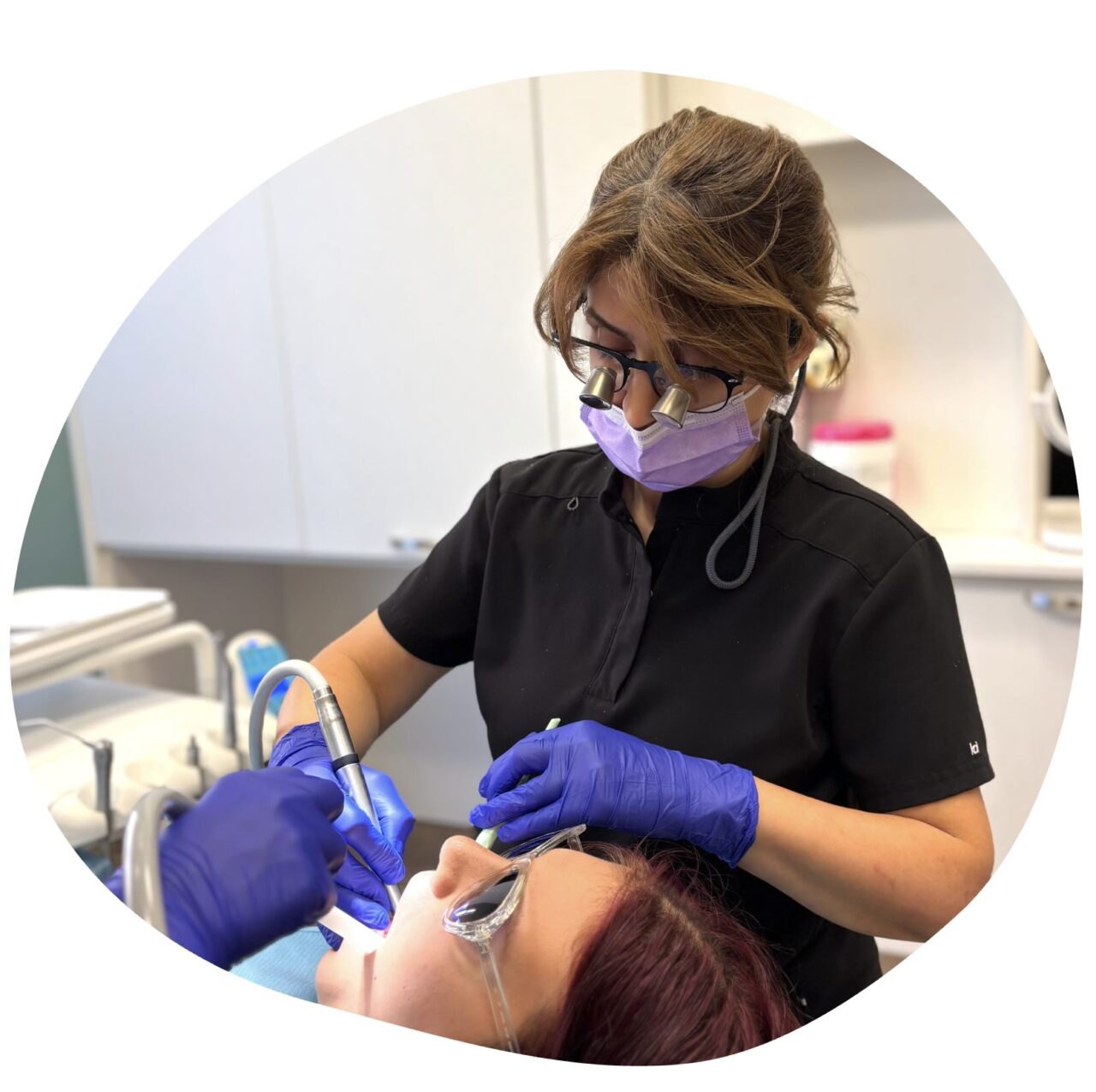
Comprehensive dental cleanings, exams, and protective care for the whole family in North York.

Restore teeth using durable fillings, custom crowns, and bridges near York Mills Road.

Achieve a stunning smile with professional teeth whitening, veneers, and smile design.
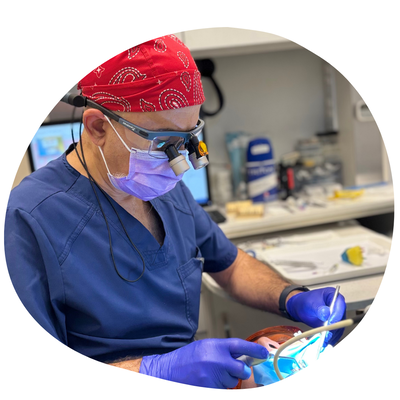
Assessment and treatment options for gum disease, with advice about maintaining gum health.
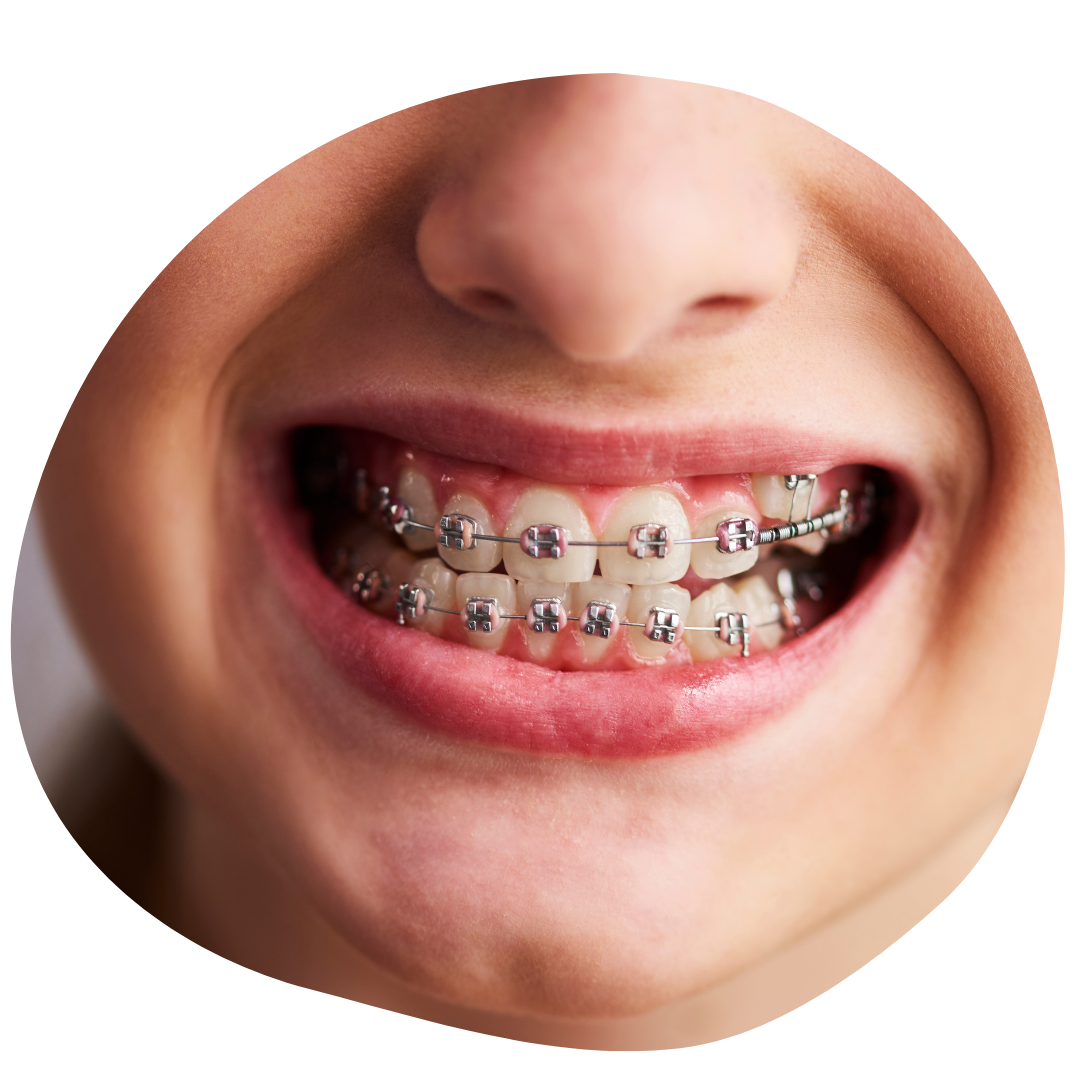
Straighten your teeth discreetly using clear aligners and braces. Orthodontic care for adults and teens.
Gentle, effective Root Canal Therapy to save infected teeth and relieve severe dental pain.

Compassionate and complete dental care focused on building positive habits for children in North York.
We are a friendly team of dentists, hygienists and receptionists who work together to ensure that you receive the best treatment you require.
Copyright 2026 by Orchid Dental Needs Co. All rights reserved.