Mon-Wed: 9:30AM-6PM | Thu: 10AM-6PM | Fri: 11AM-7PM | Sat: 9:30AM-4PM | Sun: Closed
Address879 York Mills Rd Unit 6, North York, ON, M3B 1Y5

A gum graft may add tissue around a receded area or protect an exposed root. A bone graft may be considered where more bony support is needed. Neither procedure guarantees complete root coverage or a particular implant outcome.
Recession, thin gum tissue, root sensitivity or an implant treatment plan can lead to a discussion about grafting. The underlying cause must also be assessed. Brushing technique, inflammation and other contributing factors may need attention before surgery.
Your dentist reviews the tissues, medical history and the reason for treatment. Measurements and imaging are used when appropriate. Some cases need a specialist. Ask whether monitoring or another form of care could address the concern.
There are different sources of graft tissue and different surgical approaches. Ask which is being recommended, why it suits your situation and what risks apply. A particular branded technique or a stitch-free procedure should not be assumed to be available.
Healing depends on the procedure and your health. Your treating clinician explains food choices, cleaning around the site, activity restrictions and review visits. Follow those instructions rather than using a general timeline as a guarantee.
A graft may improve tissue thickness or provide support, but the result depends on anatomy and the condition of the site. Recession may not be fully covered. Discuss a realistic objective and how success will be assessed.
Protect the treated area as instructed and do not pull on the lip to inspect a gum graft repeatedly. Take only medicines advised for your situation. Contact the treating clinic about worsening pain, persistent bleeding or any concern about the wound.
Treating inflammation and maintaining careful home care remain important after grafting. Additional stages may be required before an implant or other restoration is considered. A graft does not replace ongoing assessment of the teeth and supporting tissues.
Request an assessment to discuss recession or a proposed graft. The CDCP may cover eligible gingival grafting subject to preauthorization and criteria, while bone grafts are excluded. Ask about the exact procedure and verify the current official rules.
Request an appointment or explore Vita Dentistry services.
What is the difference between gum grafting and bone grafting?
Gum grafting covers exposed tooth roots when gums have receded — we place a small piece of tissue over the exposed area to protect the root and improve appearance. Bone grafting rebuilds jawbone that has shrunk after tooth loss or gum disease, often to prepare the site for a dental implant. Sometimes both are needed together, and we will explain exactly which one your situation calls for.
Is grafting surgery painful?
The procedure itself is done under local anesthesia, so you will not feel pain during treatment — most patients are surprised by how straightforward it feels. Afterward, expect some soreness and swelling for a few days, which is manageable with prescribed or over-the-counter pain relief and cold compresses. We will give you detailed aftercare instructions before you leave our North York office.
How long does it take to heal after grafting?
Soft tissue (gum) grafts typically feel normal within 1–2 weeks, though complete healing takes a few weeks more. Bone grafts take longer — usually 3–6 months before the bone is solid enough for the next step, such as an implant. We schedule follow-up visits to monitor your healing and will tell you honestly if anything needs more time.
Who is not a good candidate for grafting?
Grafting needs a healthy healing response, so uncontrolled diabetes, heavy smoking, and certain immune conditions can compromise results. Smokers in particular heal more slowly and face higher failure rates — we may ask you to stop smoking before and after surgery. If you have a medical condition, we coordinate with your physician to make sure grafting is safe for you.
Will the grafted area look natural?
Yes — that is one of the main goals. A successful gum graft blends with your surrounding tissue so the gumline looks even and natural, while also covering sensitive exposed roots. Results vary with the severity of the original recession, and we will show you what to realistically expect at your consultation at Vita Dentistry.
Does the Canadian Dental Care Plan (CDCP) cover gum or bone grafting?
The CDCP may cover eligible gingival grafting subject to preauthorization and clinical criteria. Bone grafts are excluded. Gum grafting and bone grafting are different procedures; confirm the exact proposed service and current benefits before treatment.
For patient education, see the Ontario Dental Association oral health resources. For coverage, consult the current official CDCP benefits guide.
Book a visit to Vita Dentistry, simply fill out the form below and we will contact you back regarding the intervention you require.
Ask whether grafting is necessary for the proposed treatment and what recovery and follow-up would involve. Suitability and outcomes vary, and some cases may require specialist assessment. Request an appointment at Vita Dentistry in North York.
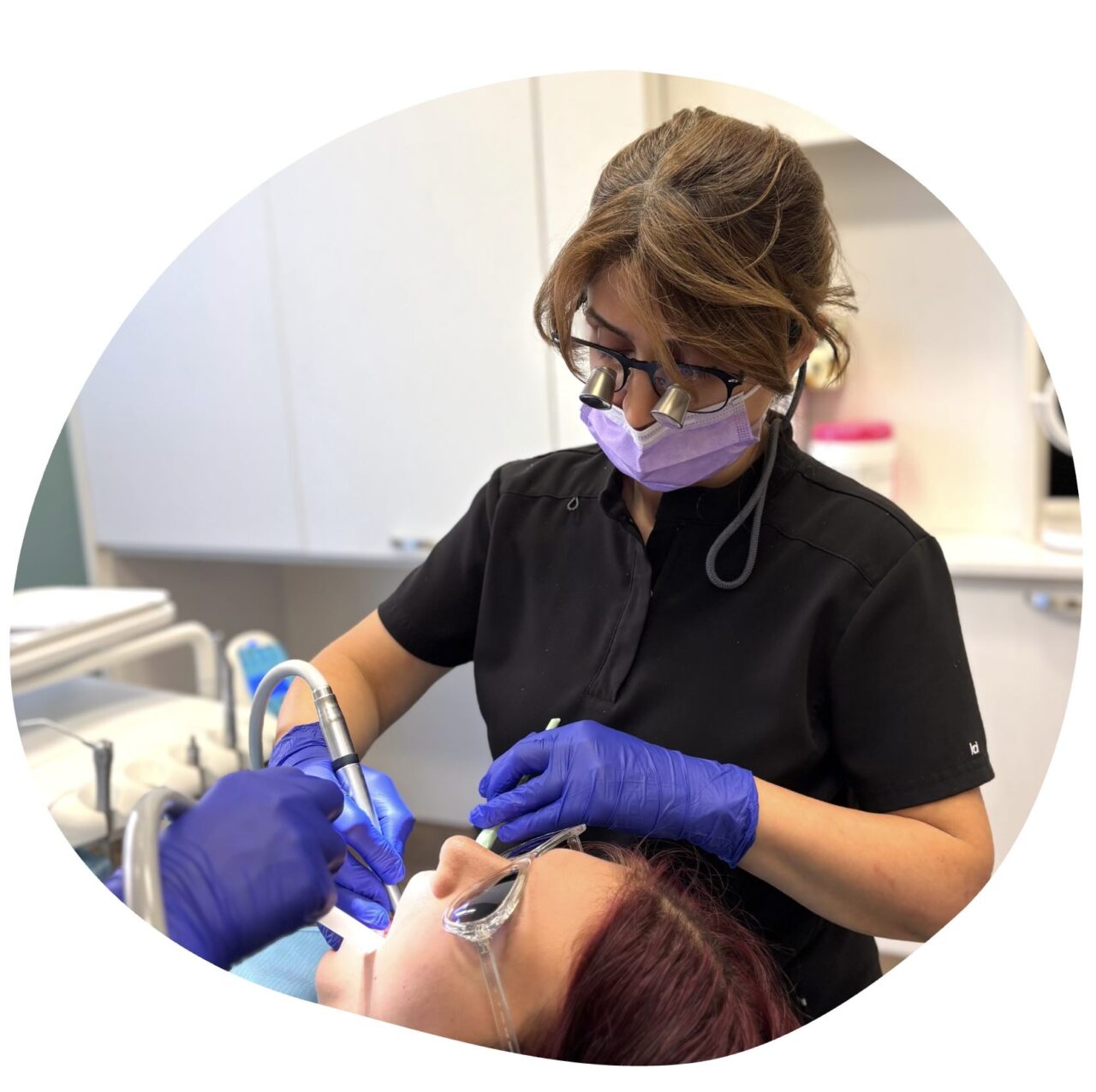
Comprehensive dental cleanings, exams, and protective care for the whole family in North York.

Restore teeth using durable fillings, custom crowns, and bridges near York Mills Road.

Achieve a stunning smile with professional teeth whitening, veneers, and smile design.
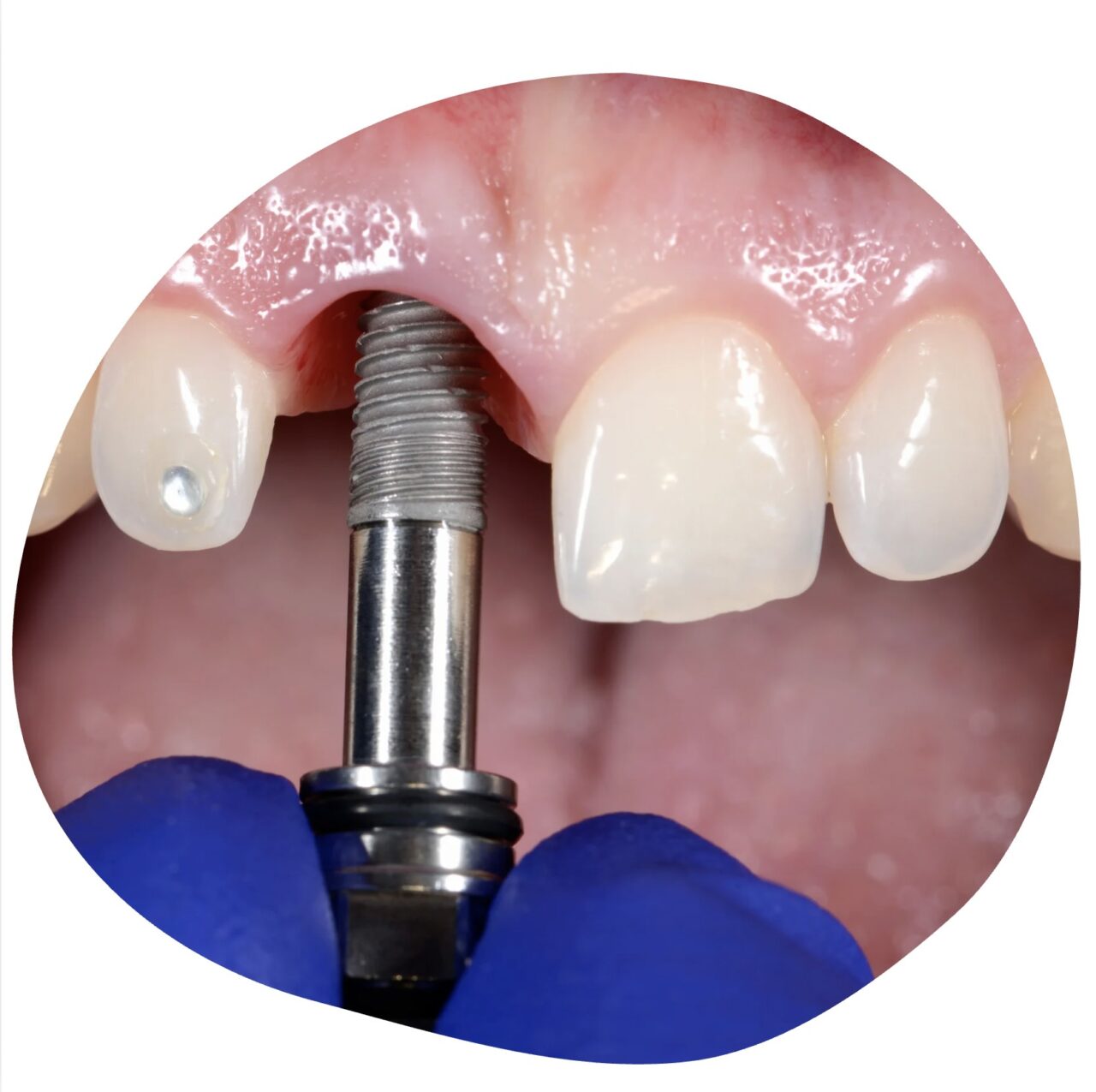
Specialized placement of dental implants, dentures, and fixed prosthetics to replace missing teeth.
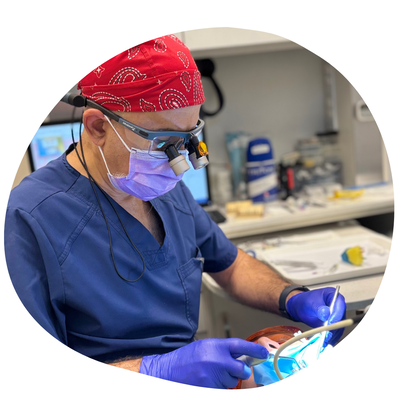
Expert diagnosis and treatment for gum disease, ensuring a healthy foundation for your smile.
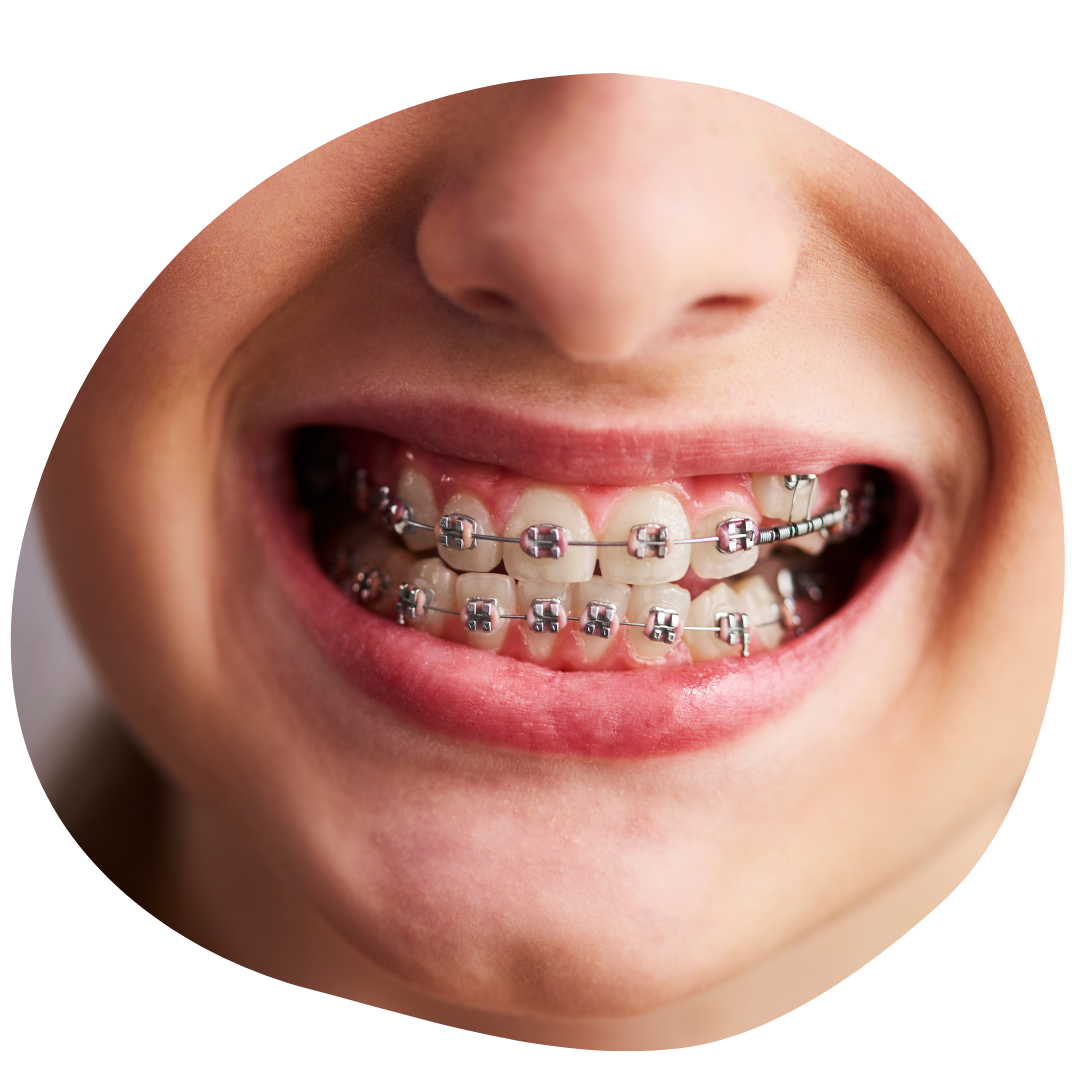
Straighten your teeth discreetly using clear aligners and braces. Orthodontic care for adults and teens.
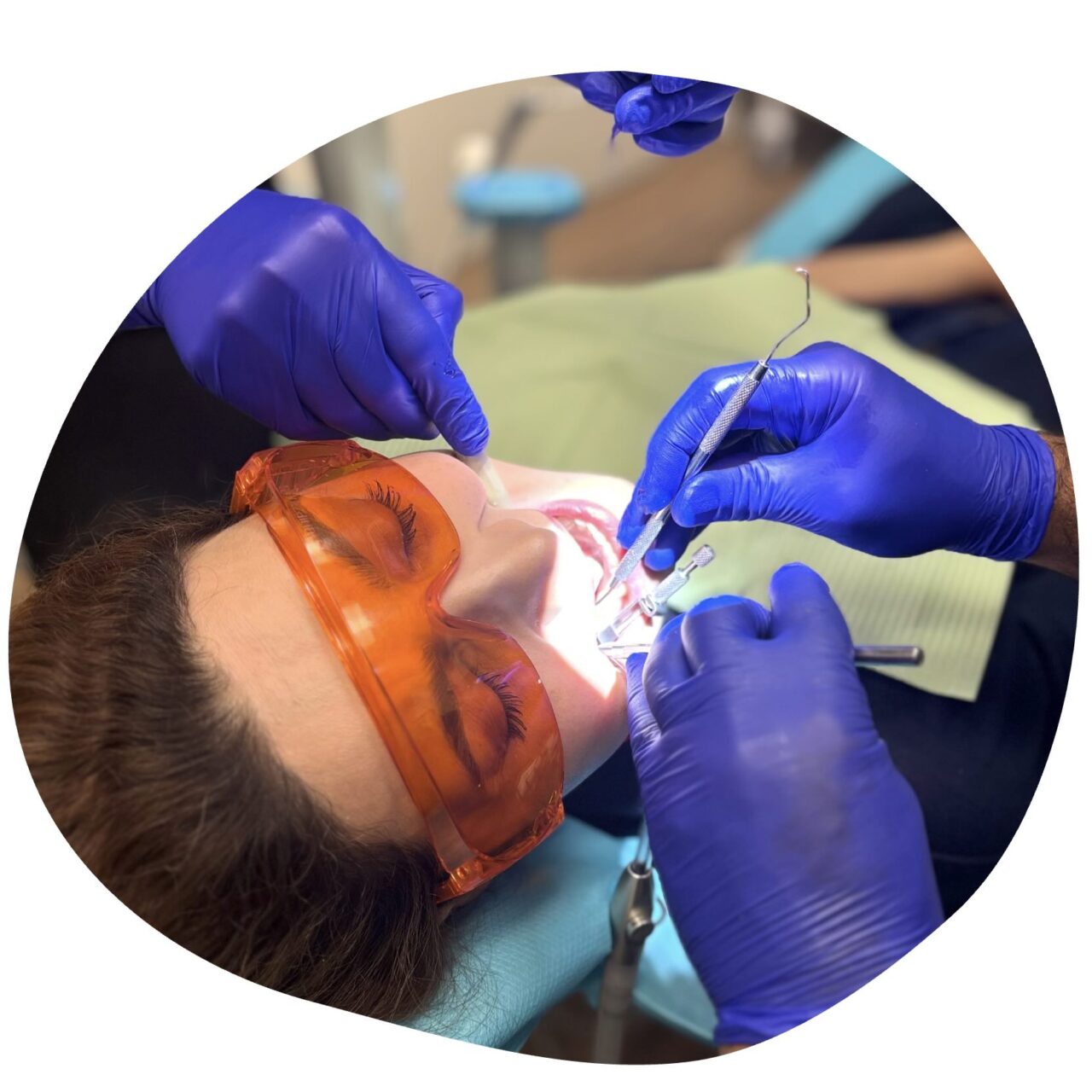
Gentle, effective Root Canal Therapy to save infected teeth and relieve severe dental pain.

Compassionate and complete dental care focused on building positive habits for children in North York.

We are a friendly team of dentists, hygienists and receptionists who work together to ensure that you receive the best treatment you require.
Copyright 2026 by Orchid Dental Needs Co. All rights reserved.
