
Mon-Wed: 9:30AM-6PM | Thu: 10AM-6PM | Fri: 11AM-7PM | Sat: 9:30AM-4PM | Sun: Closed
Address879 York Mills Rd Unit 6, North York, ON, M3B 1Y5

A crown covers an existing tooth that needs reinforcement or restoration. A bridge replaces a missing tooth or teeth using supporting teeth or implants. The right option depends on what remains healthy, the bite and how you will clean the restoration.
Your dentist assesses the remaining tooth structure, gums and supporting teeth before recommending a design. Materials and appointment requirements vary. Ask which options are suitable for your case and how the proposed restoration compares with a filling, implant or removable denture.
A heavily restored, cracked or root-treated tooth may need additional protection, but a crown is not automatic for every damaged tooth. The examination establishes whether the tooth can be restored and whether other treatment is needed before a crown is planned.
A bridge can restore a space, but the supporting teeth must be assessed carefully. Conventional bridges may require preparation of neighbouring teeth. Discuss alternatives, including an implant or partial denture, and ask how each option affects healthy teeth and daily maintenance.
The number of appointments depends on the restoration and the clinical situation. Preparation, impressions or scans, laboratory work and fitting may take separate visits. Confirm the process with your dentist; same-day treatment should not be assumed for every crown or bridge.
Your dentist explains any preparation and temporary restoration before work begins. At fitting, the margins, contacts and bite are checked. Tell us if the restoration feels high or uncomfortable rather than waiting for it to settle without assessment.
Brush carefully along the gumline and clean between teeth every day. A bridge also needs cleaning beneath the replacement tooth; your dental team can demonstrate suitable tools. Crowns do not make teeth immune to decay, particularly at the edge near the gum.
Longevity depends on oral hygiene, the supporting teeth, chewing forces and habits such as grinding. A loose restoration or a new symptom should be checked. Do not use household glue to attach a crown that has come off.
Tell your dentist about sensitivity, anxiety and medical changes before treatment. Ask what to expect between appointments and when to call. Temporary restorations need care and may not tolerate the same foods or forces as the completed restoration.
Request an assessment to discuss repair or replacement options. Under the CDCP, eligible crowns require preauthorization and clinical criteria; bridges are excluded. Checking coverage is separate from deciding which treatment best suits your dental needs.
Request an appointment or explore Vita Dentistry services.
How do I know whether I need a crown or a bridge?
A crown covers and protects a single damaged tooth; a bridge replaces one or more missing teeth by anchoring to the teeth on either side of the gap. If your tooth is cracked, heavily filled, or had a root canal, a crown is usually the answer. If a tooth is already missing, a bridge (or an implant) fills the space. At your consultation, we examine the tooth, take X-rays, and recommend the option that will last — not just the simplest one.
Does getting a crown hurt?
Your dentist discusses how discomfort will be managed. Local anaesthesia may be used, and you should tell the team if you feel pain. Contact the clinic if sensitivity persists or worsens after treatment.
How do I take care of a crown or bridge so it lasts?
Treat it like a natural tooth: brush twice daily, floss every day (using a floss threader or water flosser under a bridge — this is essential, as decay under a bridge is the most common reason bridges fail), and keep your regular check-ups. Avoid chewing ice, hard candies, or using your teeth as tools. With good care, crowns and bridges typically last 10 to 15 years or longer.
What should I do if my crown falls off or breaks?
Stay calm — this is usually not an emergency, but do not ignore it. Keep the crown in a safe place, avoid chewing on that side, and call Vita Dentistry at (647) 276-0076 for an appointment. Do not try to re-cement it with household glue. If the underlying tooth is intact, we can often re-cement the same crown; if it is damaged, a new one may be needed.
Should I get a bridge or an implant for a missing tooth?
The options have different requirements. A conventional bridge may involve preparing neighbouring teeth, while an implant involves surgery and assessment of bone and gum health. Compare both with other appropriate options based on your individual findings.
Who is NOT a good candidate for a bridge?
A bridge needs strong, healthy teeth on both sides of the gap to anchor to — if those teeth are weak, heavily decayed, or have gum disease, a bridge may fail early. Patients with uncontrolled teeth grinding also need careful assessment, as heavy bite forces can damage a bridge. In these cases an implant or partial denture may serve you better, and we will say so honestly.
Are crowns and bridges covered by the Canadian Dental Care Plan (CDCP)?
Eligible crowns require preauthorization and must meet CDCP clinical criteria. Bridges and bridge-related procedures are excluded. Coverage is not automatic; verify the exact proposed treatment and your benefits before proceeding.
For patient education, see the Ontario Dental Association oral health resources. For coverage, consult the current official CDCP benefits guide.
Book a visit to Vita Dentistry, simply fill out the form below and we will contact you back regarding the intervention you require.
Ask why a crown or bridge is being recommended and what alternatives are available. Your dentist can explain the expected appointments and maintenance. Timing and suitability depend on your case. Request an appointment at Vita Dentistry in North York.
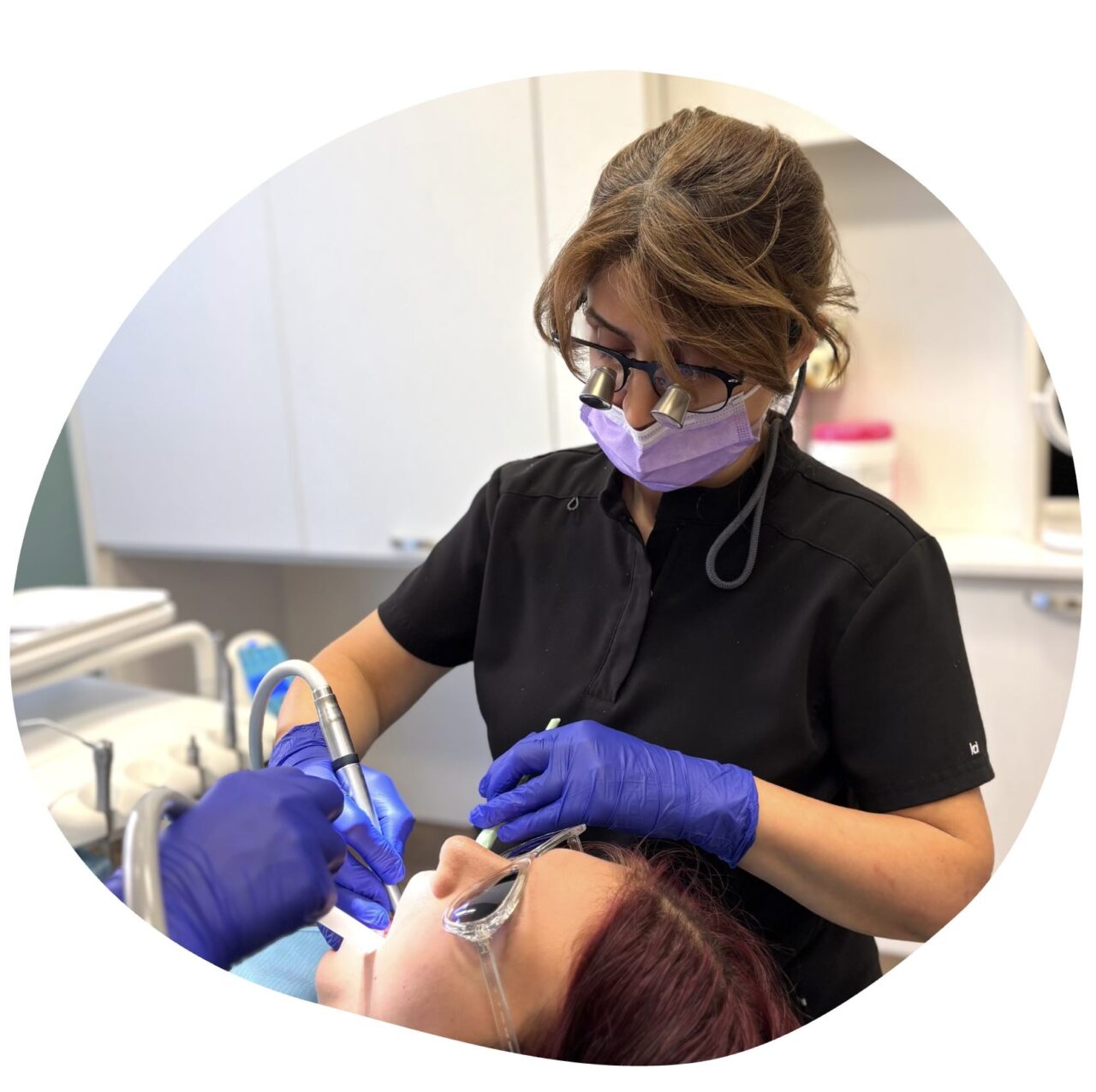
Comprehensive dental cleanings, exams, and protective care for the whole family in North York.

Restore teeth using durable fillings, custom crowns, and bridges near York Mills Road.

Achieve a stunning smile with professional teeth whitening, veneers, and smile design.
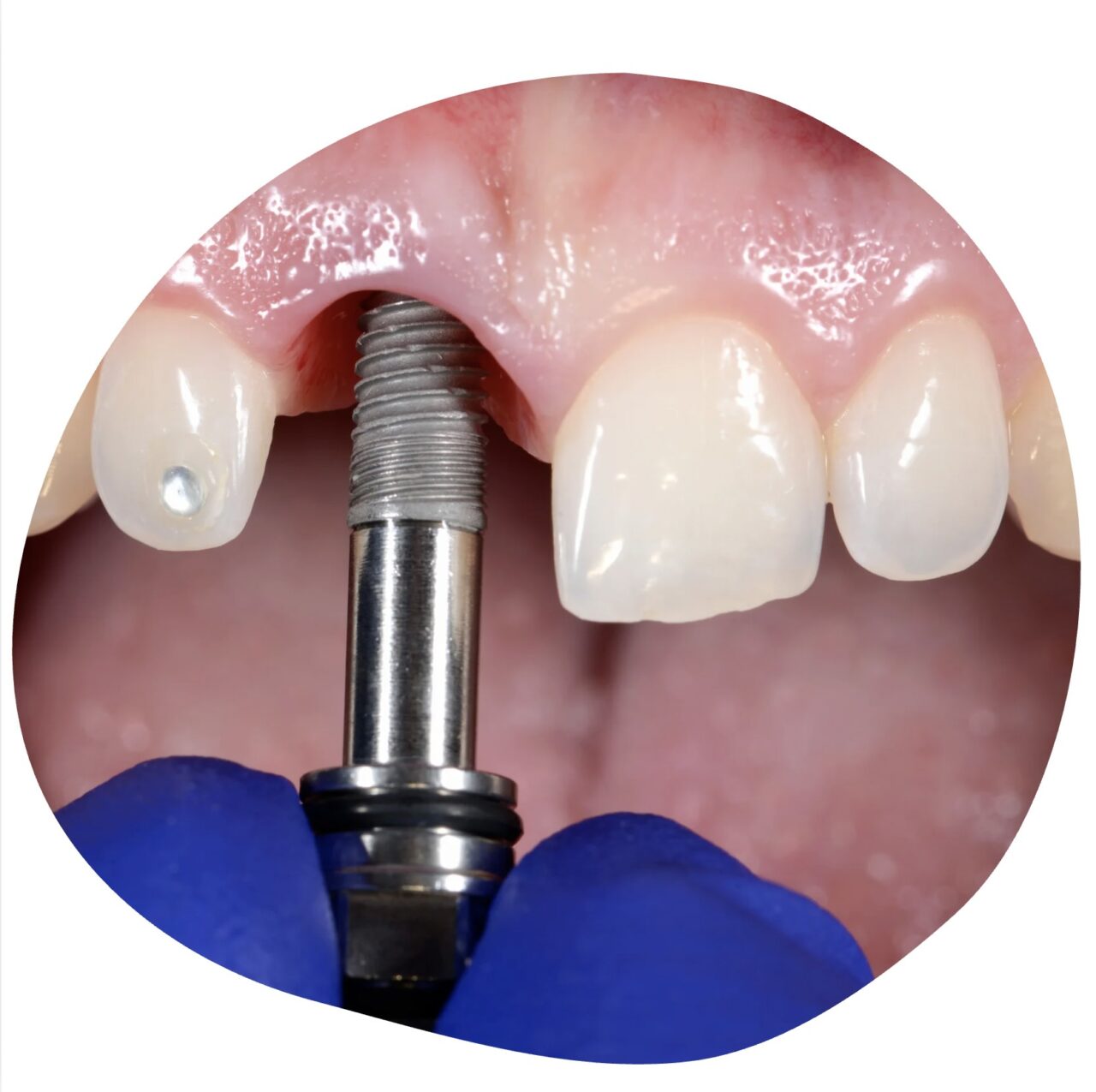
Specialized placement of dental implants, dentures, and fixed prosthetics to replace missing teeth.
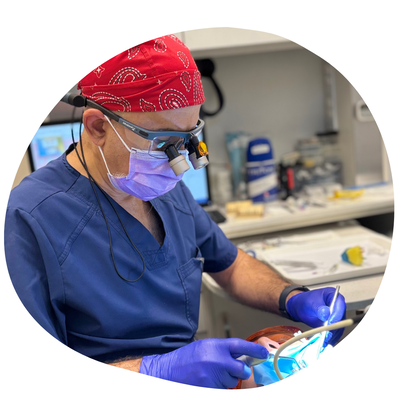
Expert diagnosis and treatment for gum disease, ensuring a healthy foundation for your smile.
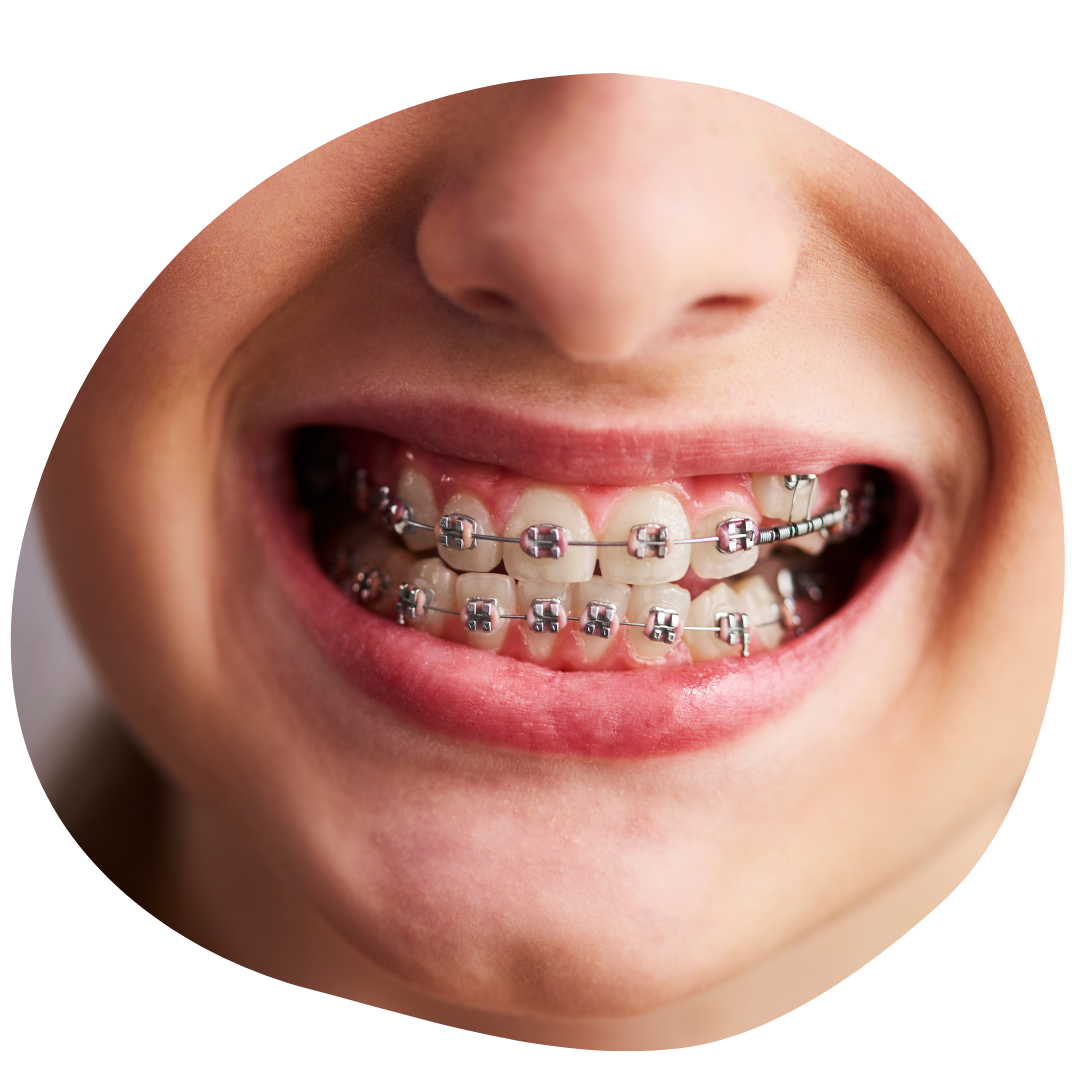
Straighten your teeth discreetly using clear aligners and braces. Orthodontic care for adults and teens.
Gentle, effective Root Canal Therapy to save infected teeth and relieve severe dental pain.

Compassionate and complete dental care focused on building positive habits for children in North York.

We are a friendly team of dentists, hygienists and receptionists who work together to ensure that you receive the best treatment you require.
Copyright 2026 by Orchid Dental Needs Co. All rights reserved.
