Mon-Wed: 9:30AM-6PM | Thu: 10AM-6PM | Fri: 11AM-7PM | Sat: 9:30AM-4PM | Sun: Closed
Address879 York Mills Rd Unit 6, North York, ON, M3B 1Y5

On this page
A full denture replaces the teeth in one arch. A partial denture replaces gaps while some natural teeth remain. Both need an individual assessment of the gums, supporting teeth and bite.
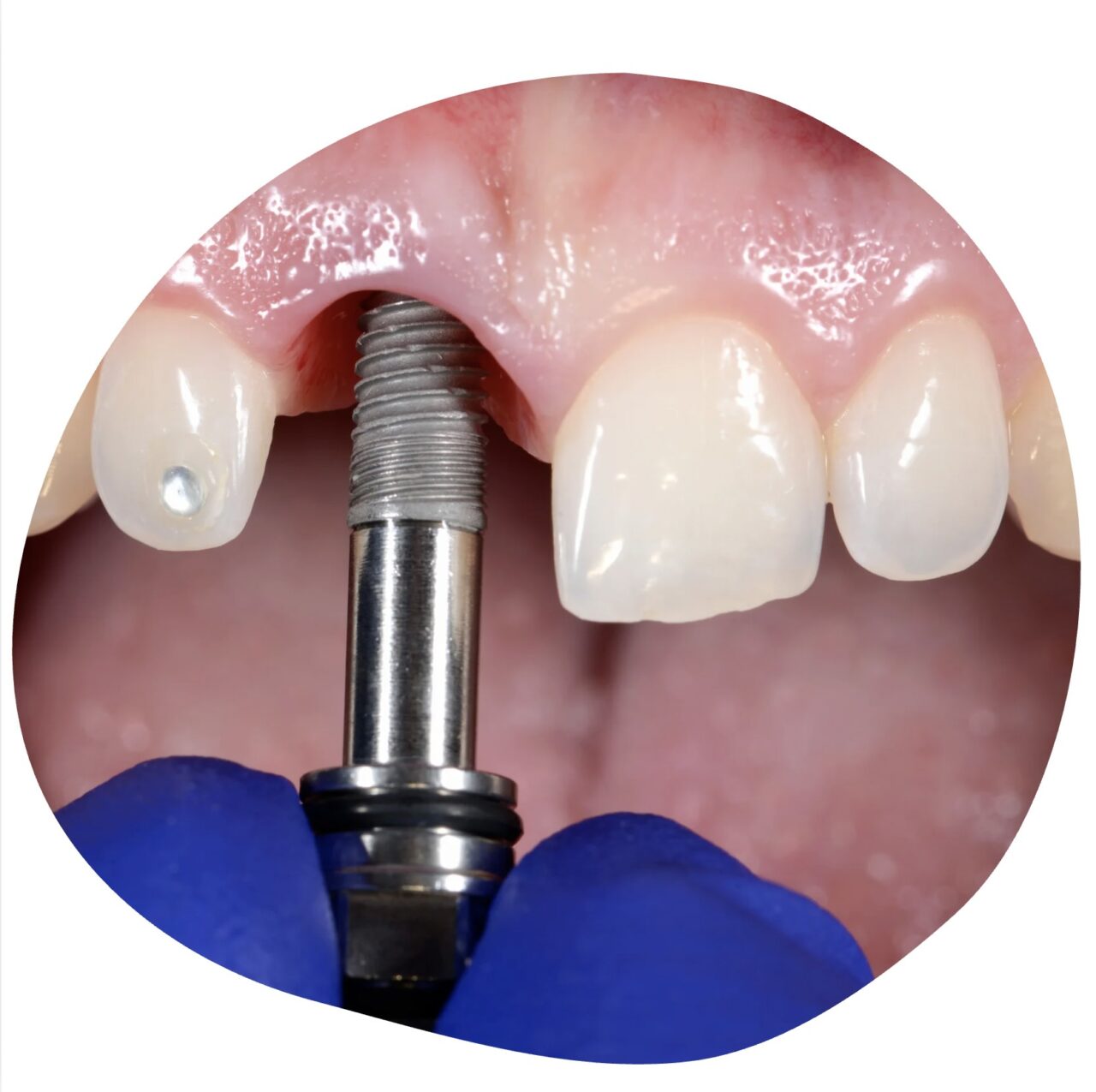
Different designs suit different patterns of tooth loss. Ask which options are appropriate and available, and how they will be supported. An implant-supported restoration has different requirements from a conventional removable denture.
A loose or painful denture needs review rather than simply more adhesive. Changes in the mouth, pressure points and damage can affect the fit. Bring your current denture to the appointment so the problem can be assessed.
Measurements, impressions and trial stages help plan the shape and bite. The number of visits varies. At fitting, your clinician reviews the fit and gives instructions; adjustments may still be needed as you adapt.
Speech and eating may feel different at first. Follow advice about food choices and practice, and report sore areas. A new denture should not be assumed to fit perfectly without any review or adjustment.
Clean the denture and mouth as instructed, and discuss when the denture should be removed. Protect it from damage and avoid hot water that could distort it. Natural teeth supporting a partial denture still need careful daily cleaning.
A broken denture or a changed fit needs an assessment. The appropriate option might be an adjustment, repair, reline or replacement. Do not use household glue; it can complicate a repair and is not intended for use in the mouth.
An immediate denture, when appropriate, can be planned around tooth removal, but the mouth changes during healing. Follow-up and later adjustment may be required. Ask what temporary and long-term stages are involved.
Request an assessment for missing teeth or a denture that is no longer comfortable. CDCP denture coverage depends on the type and applicable criteria; partial dentures and certain other services require preauthorization. Confirm the plan before treatment.
Request an appointment or explore Vita Dentistry services.
Full dentures replace the teeth in an upper or lower arch. Partial dentures replace gaps while some natural teeth remain. The appropriate design depends on the teeth, gums and bite, and on how you will manage daily care.
Tooth shape, shade and the fit of the denture can be discussed during planning and trial stages. Appearance and adaptation vary. Tell your clinician what matters to you and report sore areas or problems with speech or eating rather than assuming you must tolerate them.
There is no guaranteed lifespan. Wear, damage and changes in the mouth can affect fit and function. Regular reviews help determine whether an adjustment, reline, repair or replacement is appropriate; these decisions are based on the findings rather than a fixed replacement schedule.
Eating with a new denture can take practice. Follow the advice for your denture and report slipping, soreness or difficulty chewing. An assessment can clarify whether an adjustment or another approach is needed. Do not try to alter the denture yourself.
Ask for cleaning, removal and storage instructions suited to the denture material and design. Clean your mouth and any remaining teeth as advised. Avoid hot water and household glues. Keep review appointments and contact the clinic about sore areas, a changed fit or damage.
Eligible removable dentures may be covered, with criteria and frequency limits. Initial partial dentures require preauthorization. Complete overdentures and complete dentures with long-term soft liners also require it; standard and immediate complete dentures do not. Confirm the exact service before treatment. Implant-supported dentures are excluded.
For patient education, see the Ontario Dental Association oral health resources. For coverage, consult the current official CDCP benefits guide.
Tell us if your current denture rubs, moves or makes eating difficult. Bring it to the assessment so the dentist can discuss adjustment, repair or replacement options rather than assume you need a new one. Request an appointment at Vita Dentistry in North York.
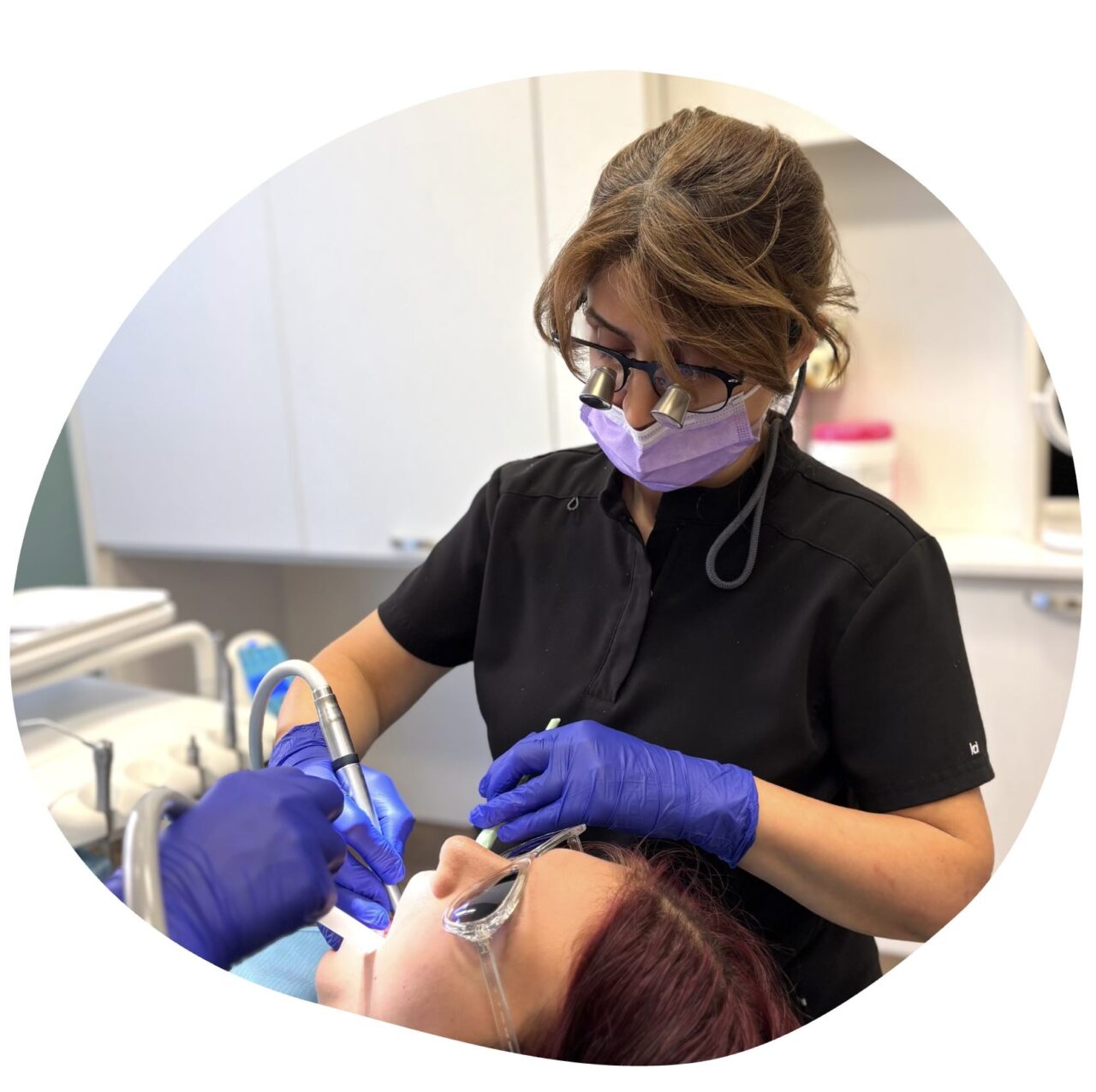
Comprehensive dental cleanings, exams, and protective care for the whole family in North York.

Restore teeth using durable fillings, custom crowns, and bridges near York Mills Road.

Achieve a stunning smile with professional teeth whitening, veneers, and smile design.
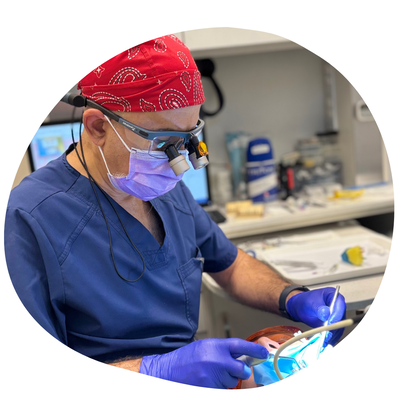
Assessment and treatment options for gum disease, with advice about maintaining gum health.
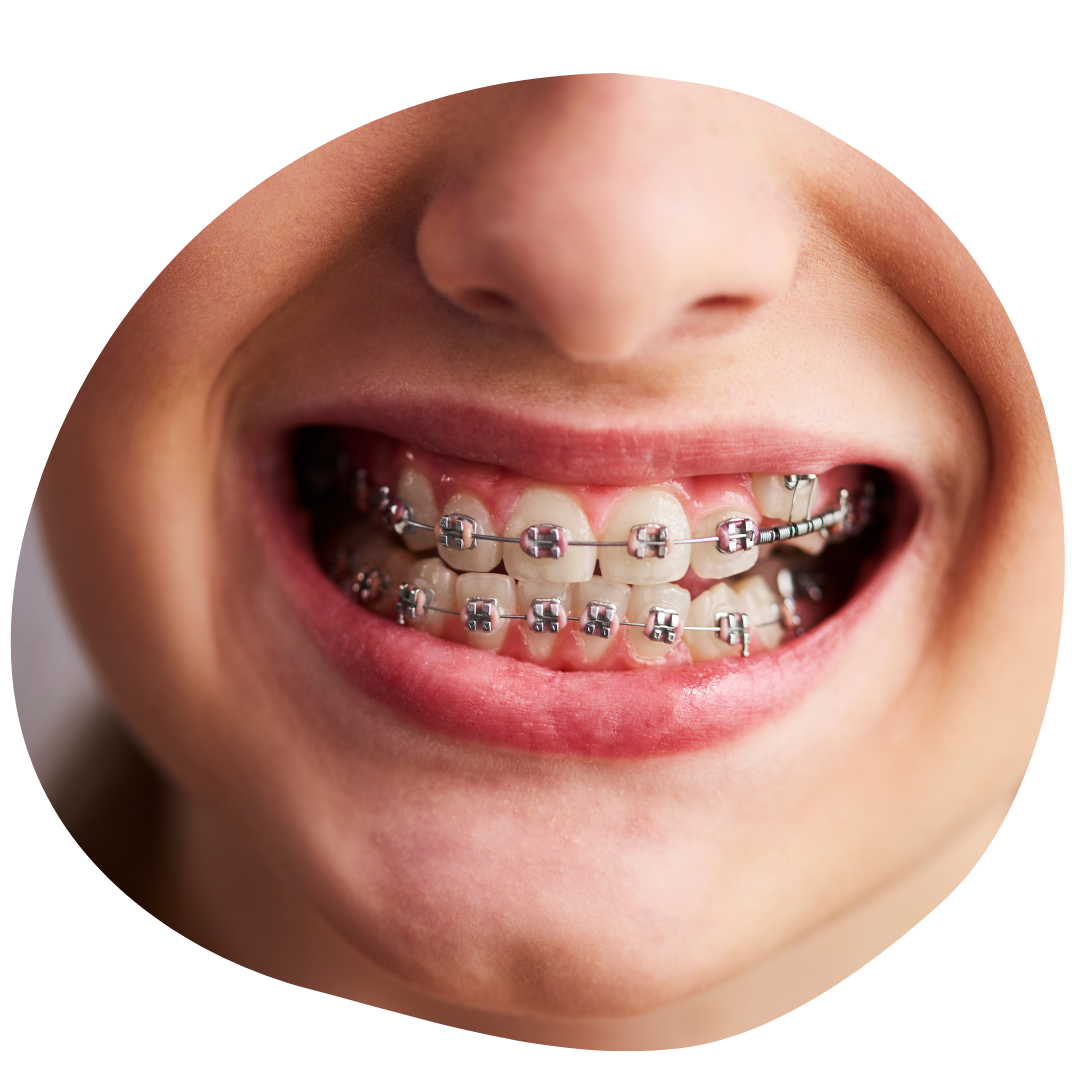
Straighten your teeth discreetly using clear aligners and braces. Orthodontic care for adults and teens.
Gentle, effective Root Canal Therapy to save infected teeth and relieve severe dental pain.

Compassionate and complete dental care focused on building positive habits for children in North York.

We are a friendly team of dentists, hygienists and receptionists who work together to ensure that you receive the best treatment you require.
Copyright 2026 by Orchid Dental Needs Co. All rights reserved.