
Mon-Wed: 9:30AM-6PM | Thu: 10AM-6PM | Fri: 11AM-7PM | Sat: 9:30AM-4PM | Sun: Closed
Address879 York Mills Rd Unit 6, North York, ON, M3B 1Y5

Dental images can help assess areas not visible during an examination, such as between teeth or around roots. They support diagnosis but do not replace a clinical examination. Your dentist should explain what the recommended image is intended to clarify.
Bitewing, periapical and panoramic images serve different purposes. Three-dimensional imaging is reserved for appropriate clinical situations and should not be assumed necessary for every visit. Ask which image is recommended and why.
Dental X-rays use ionizing radiation. The recommendation should be based on clinical need and an expected diagnostic benefit. Digital imaging does not mean zero exposure or that images should be taken routinely without a reason.
Symptoms, cavity risk, treatment planning and the usefulness of existing images affect the decision. There is no single schedule for everyone. Tell us when and where previous images were taken so relevant records can be considered.
A sensor or positioning device is used for the requested image. Let the team know if placement is uncomfortable or if you have a strong gag reflex. The dental team can discuss practical adjustments while aiming to obtain a useful image.
Tell your dentist if you are pregnant or may be pregnant and discuss any concern before imaging. The decision considers whether the image is needed for your care. Do not postpone urgent symptoms without seeking advice.
Ask which findings are visible and how they affect the treatment plan. An image alone is not a complete explanation of symptoms. Clinical findings and your history help determine whether treatment, monitoring or further assessment is needed.
If another treating clinician needs images, ask the clinic about providing appropriate copies. Keeping useful records can support coordinated care and help the next dentist assess whether repeat imaging is justified.
Request an examination to discuss a symptom or proposed X-ray. Eligible diagnostic images may be covered by CDCP, subject to limits and clinical rules. An imaging recommendation should be based on dental need, not coverage alone.
Request an appointment or explore Vita Dentistry services.
Are dental X-rays safe?
Dental X-rays use ionizing radiation. The recommendation should weigh the expected diagnostic benefit against exposure and use appropriate methods to obtain a useful image. Ask why an image is needed and discuss any concerns before it is taken.
How often do I need dental X-rays?
It depends on your individual risk. New patients usually need a baseline set so we can see what’s happening beneath the surface. After that, patients with healthy teeth and gums may only need them every couple of years, while those with ongoing issues like gum disease or frequent decay may need them more often. At Vita Dentistry, we’ll always explain why we’re recommending images before taking them.
Are dental X-rays safe during pregnancy?
Tell your dentist if you are pregnant or may be pregnant. Necessary imaging should be considered according to your clinical needs and appropriate radiation protection practice. Discuss the benefit and timing with your dentist; do not postpone urgent dental symptoms without advice.
Do dental X-rays hurt?
Taking the image is usually brief. The sensor or positioning device can feel uncomfortable, particularly with a sensitive mouth or strong gag reflex. Tell the dental team so they can discuss adjustments.
Can I decline X-rays if I’d rather not have them?
Yes — it’s your body and your decision, and we’ll respect it. What we ask is that you let us explain what the images would show us first, because many problems such as decay between teeth, bone loss, or infections at the root are invisible without them. Declining X-rays limits what we can diagnose, so we want you to make that choice with full information.
Does CDCP cover dental X-rays?
Diagnostic X-rays are among the services the Canadian Dental Care Plan may cover for eligible patients. Eligibility is always assessed first, and coverage follows the CDCP fee guide. Vita Dentistry accepts CDCP for eligible patients here in North York, and we’ll confirm what your plan may include before we proceed.
For patient education, see the Ontario Dental Association oral health resources. For coverage, consult the current official CDCP benefits guide.
Book a visit to Vita Dentistry, simply fill out the form below and we will contact you back regarding the intervention you require.
Tell us if you have recent X-rays from another office or relevant changes in your health. We can discuss whether those records are useful and explain the imaging recommended for your visit. Request an appointment at Vita Dentistry in North York.
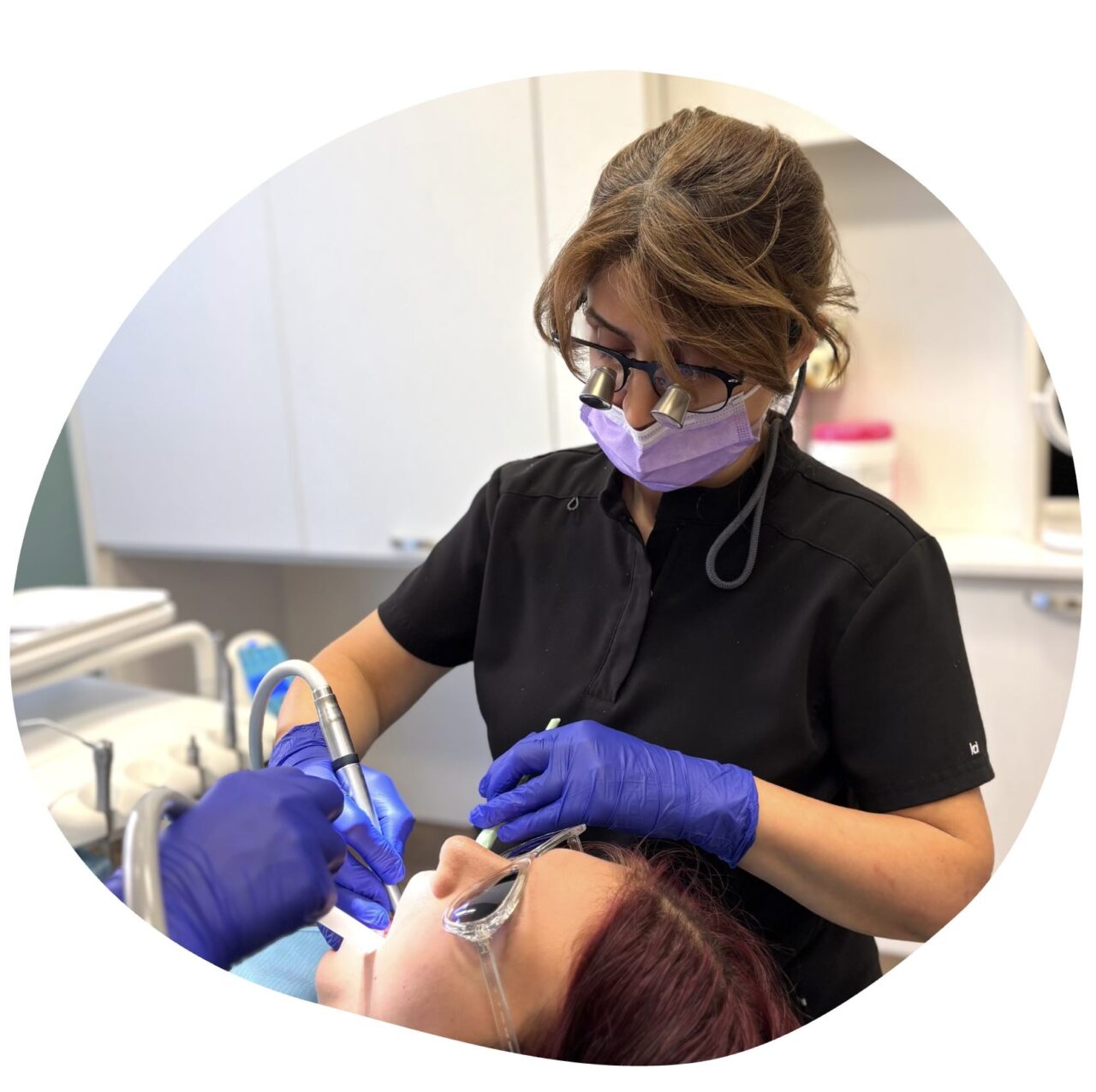
Comprehensive dental cleanings, exams, and protective care for the whole family in North York.

Restore teeth using durable fillings, custom crowns, and bridges near York Mills Road.

Achieve a stunning smile with professional teeth whitening, veneers, and smile design.
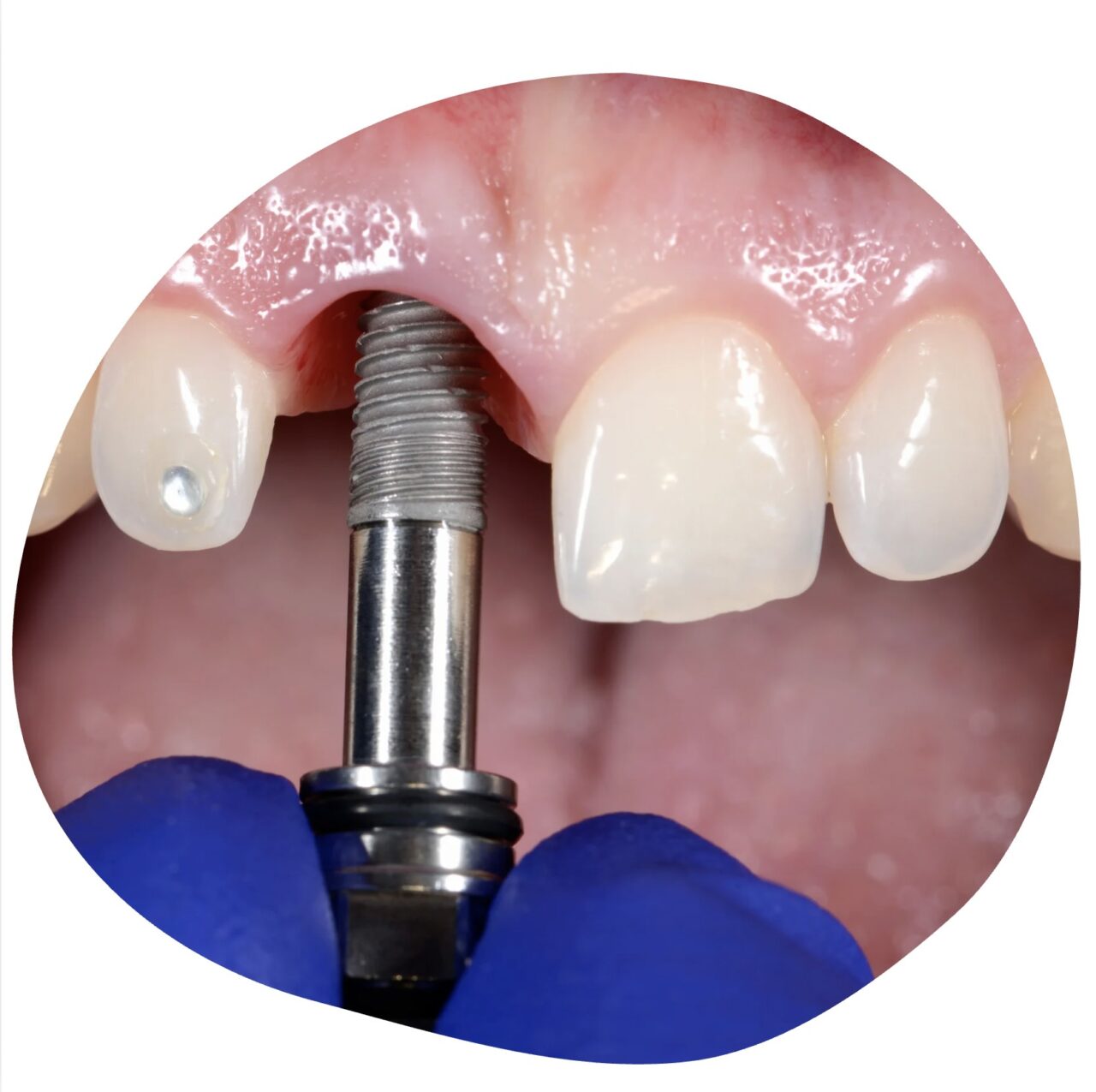
Specialized placement of dental implants, dentures, and fixed prosthetics to replace missing teeth.
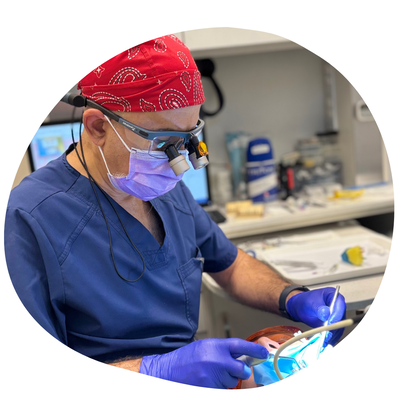
Expert diagnosis and treatment for gum disease, ensuring a healthy foundation for your smile.
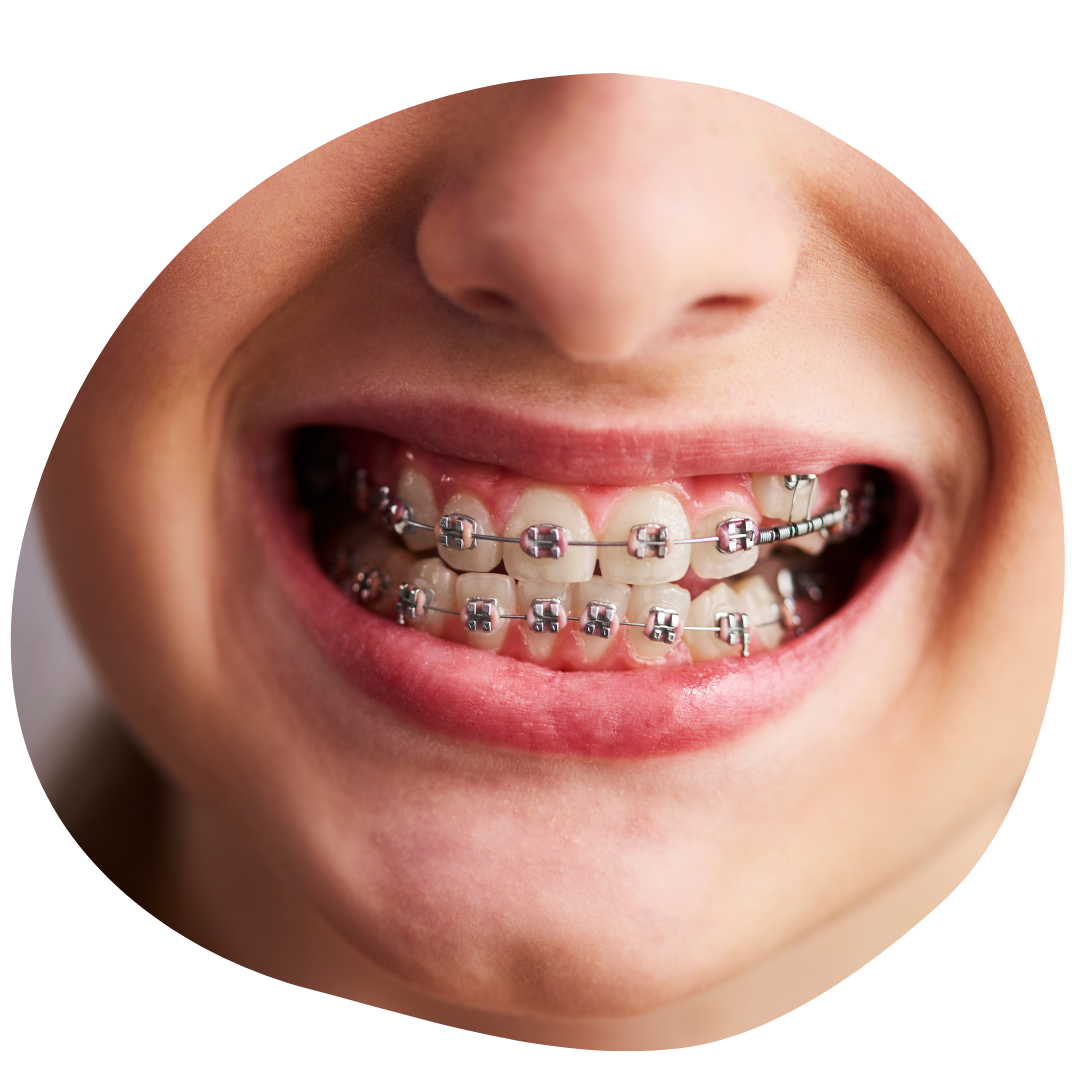
Straighten your teeth discreetly using clear aligners and braces. Orthodontic care for adults and teens.
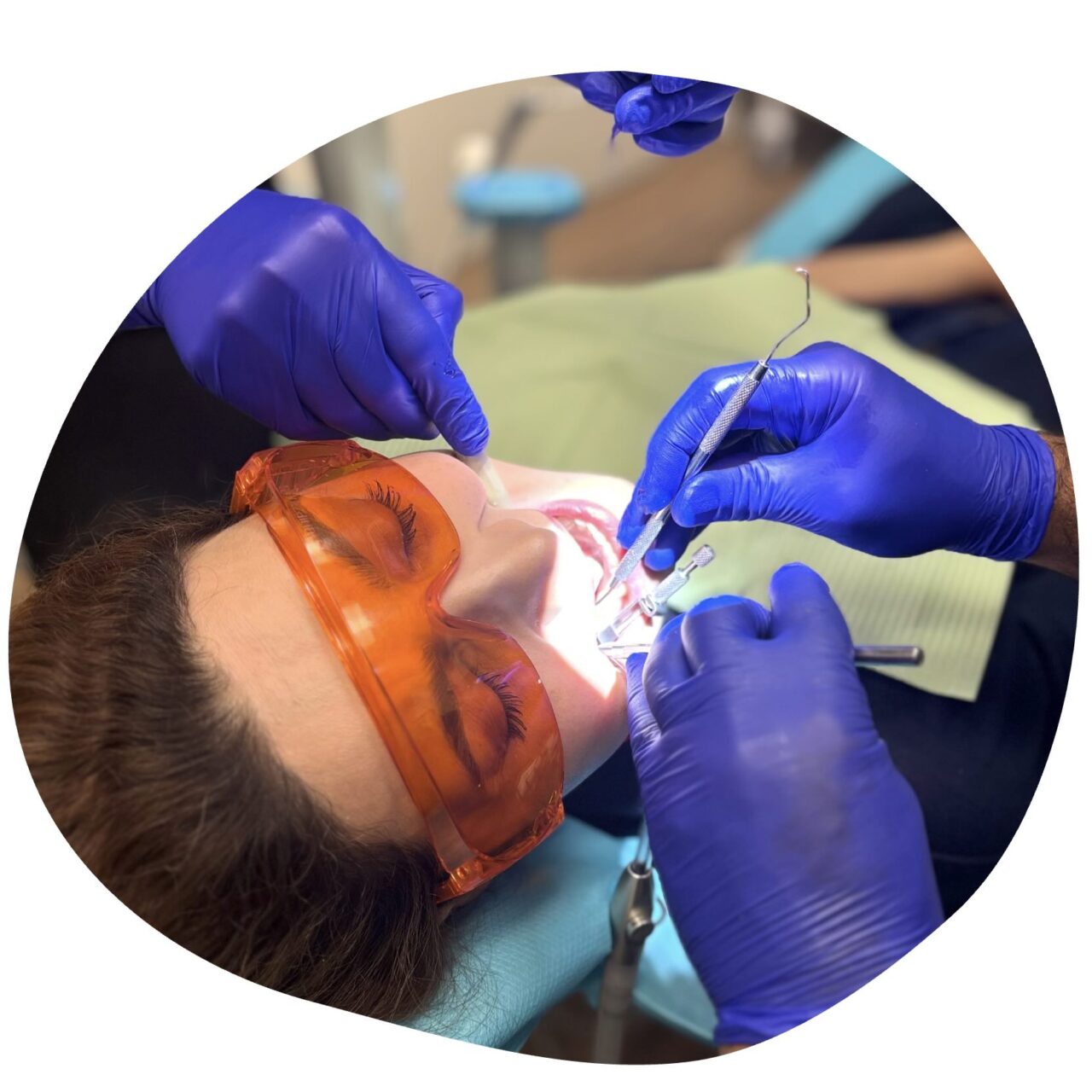
Gentle, effective Root Canal Therapy to save infected teeth and relieve severe dental pain.

Compassionate and complete dental care focused on building positive habits for children in North York.

We are a friendly team of dentists, hygienists and receptionists who work together to ensure that you receive the best treatment you require.
Copyright 2026 by Orchid Dental Needs Co. All rights reserved.
