Mon-Wed: 9:30AM-6PM | Thu: 10AM-6PM | Fri: 11AM-7PM | Sat: 9:30AM-4PM | Sun: Closed
Address879 York Mills Rd Unit 6, North York, ON, M3B 1Y5

No. A wisdom tooth may be monitored when it is healthy, functional and can be kept clean. Pain, repeated infection, decay or damage to a neighbouring tooth may change the recommendation. An examination is needed before deciding.
Some wisdom teeth emerge fully; others remain partly or completely beneath the gum or bone. Their position affects cleaning, potential problems and the complexity of removal. Imaging is selected to assess the tooth and nearby structures when needed.
Ask what concern has been identified and the risks of leaving the tooth compared with removing it. The plan depends on your symptoms, tooth position and health. A referral may be appropriate for complex cases.
Discuss medication, allergies, medical conditions and anxiety before the appointment. Follow the instructions for the agreed anaesthesia or sedation plan. Do not assume that every wisdom tooth can be removed during the initial consultation.
The treating clinician explains the procedure and helps manage discomfort. Surgical steps vary with tooth position. After treatment, you receive instructions for caring for the socket and a contact for questions during recovery.
Follow the specific advice for food, brushing and rinsing. Protect the healing area and avoid smoking. The time needed before returning to your normal routine varies; ask about work, exercise and school when planning the appointment.
Contact the treating clinic for worsening pain after initial improvement, persistent bleeding or concerns about swelling. Fever or a bad taste with worsening symptoms also deserves advice. Breathing or swallowing difficulty requires emergency medical care.
A follow-up may be needed to assess healing. Keep the adjacent tooth and the rest of your mouth clean as directed. If other wisdom teeth remain, ask how they should be monitored rather than assuming they all need the same treatment.
Request an assessment for wisdom tooth pain or a removal recommendation. Eligible CDCP extractions are subject to the program’s rules and possible preauthorization requirements. Confirm the proposed procedure and current benefits before treatment.
Request an appointment or explore Vita Dentistry services.
Do all wisdom teeth need to be removed?
No — only wisdom teeth that are causing, or are likely to cause, problems should come out. Healthy, fully erupted wisdom teeth with room to function can stay. We recommend removal when teeth are impacted, growing at an angle, partially erupted and trapping bacteria, or pressing against neighbouring teeth. A panoramic X-ray at Vita Dentistry shows us exactly what yours are doing.
What is the best age to have wisdom teeth removed?
Late teens to mid-twenties is usually ideal, because the roots are not fully formed and the bone is more flexible — which generally means easier removal and faster healing. That said, there is no strict deadline; we remove problematic wisdom teeth at any age when the benefits outweigh the risks, and we will tell you honestly if yours can simply be monitored.
Is wisdom tooth removal painful?
Your treating clinician explains how discomfort will be managed and which anaesthesia options are appropriate and available. Soreness and swelling can occur afterwards. Follow your own aftercare instructions and contact the clinic about increasing pain, persistent bleeding or worsening swelling.
How do I prevent dry socket after wisdom teeth removal?
Dry socket happens when the protective blood clot is lost too early, exposing the bone underneath. To prevent it: do not use straws, do not smoke or vape, avoid vigorous rinsing for the first 24 hours, and stick to soft foods. Follow our aftercare instructions closely — most dry sockets are preventable, and if one does occur, we can treat it promptly in the office.
What can I eat after wisdom teeth removal?
For the first few days: yogurt, smoothies (no straw), mashed potatoes, scrambled eggs, soups at lukewarm temperature, and soft pasta. Avoid crunchy, spicy, or seedy foods that can irritate the surgical sites. You can usually return to a normal diet within a week as comfort allows — we will confirm your healing is on track at your follow-up visit.
Does the Canadian Dental Care Plan (CDCP) cover wisdom teeth removal?
CDCP can cover eligible tooth extractions — including wisdom teeth — for qualifying patients, subject to an eligibility assessment and the CDCP fee guide. It is never automatic, and coverage may not match the full fee. Vita Dentistry accepts CDCP patients; call (647) 276-0076 and our North York team will help you understand your coverage before treatment.
For patient education, see the Ontario Dental Association oral health resources. For coverage, consult the current official CDCP benefits guide.
Book a visit to Vita Dentistry, simply fill out the form below and we will contact you back regarding the intervention you require.
Tell us about recent swelling or recurring discomfort. If removal is recommended, ask about the treatment plan, aftercare and whether specialist assessment is needed for your situation. Request an appointment at Vita Dentistry in North York.
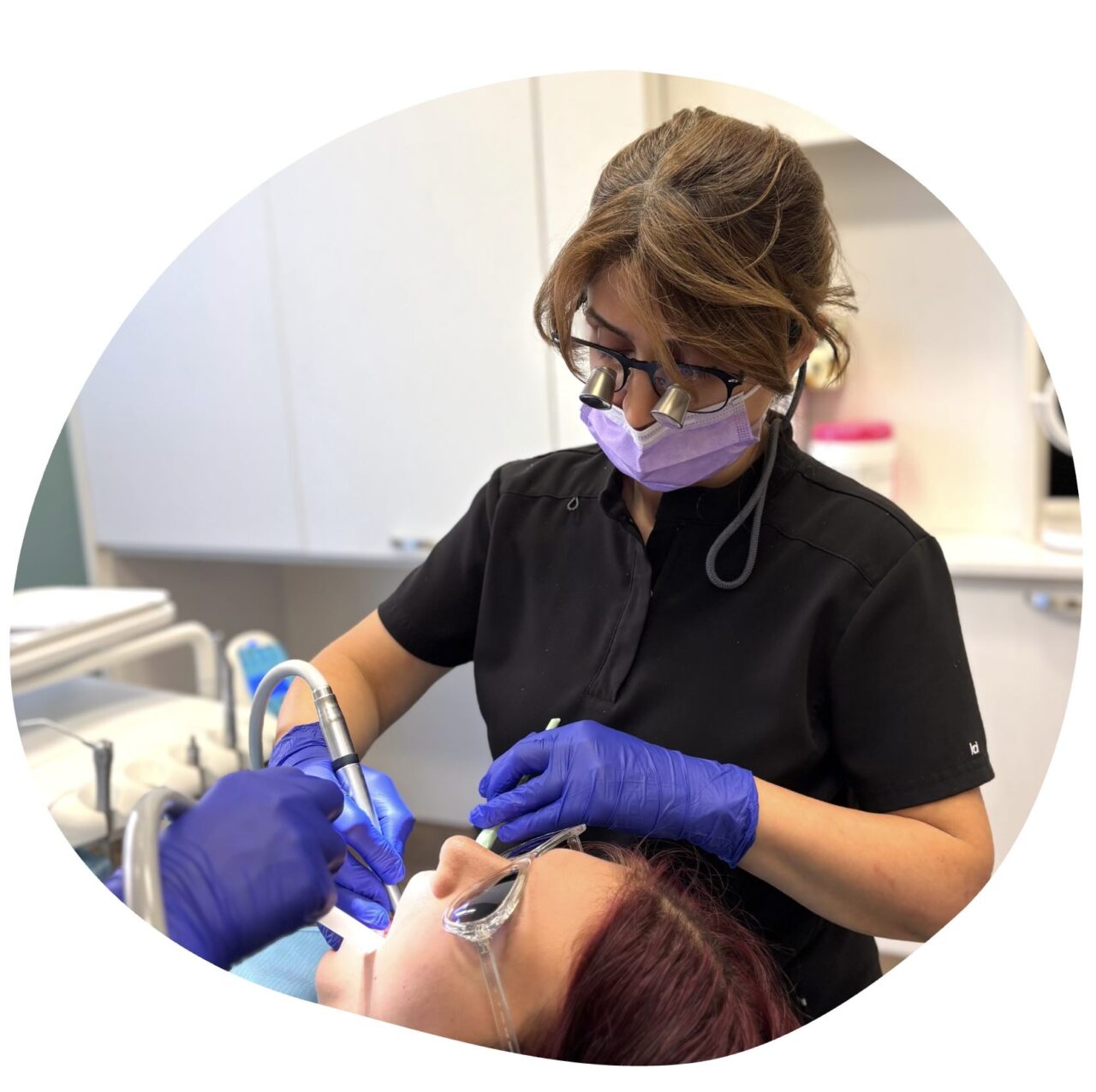
Comprehensive dental cleanings, exams, and protective care for the whole family in North York.

Restore teeth using durable fillings, custom crowns, and bridges near York Mills Road.

Achieve a stunning smile with professional teeth whitening, veneers, and smile design.
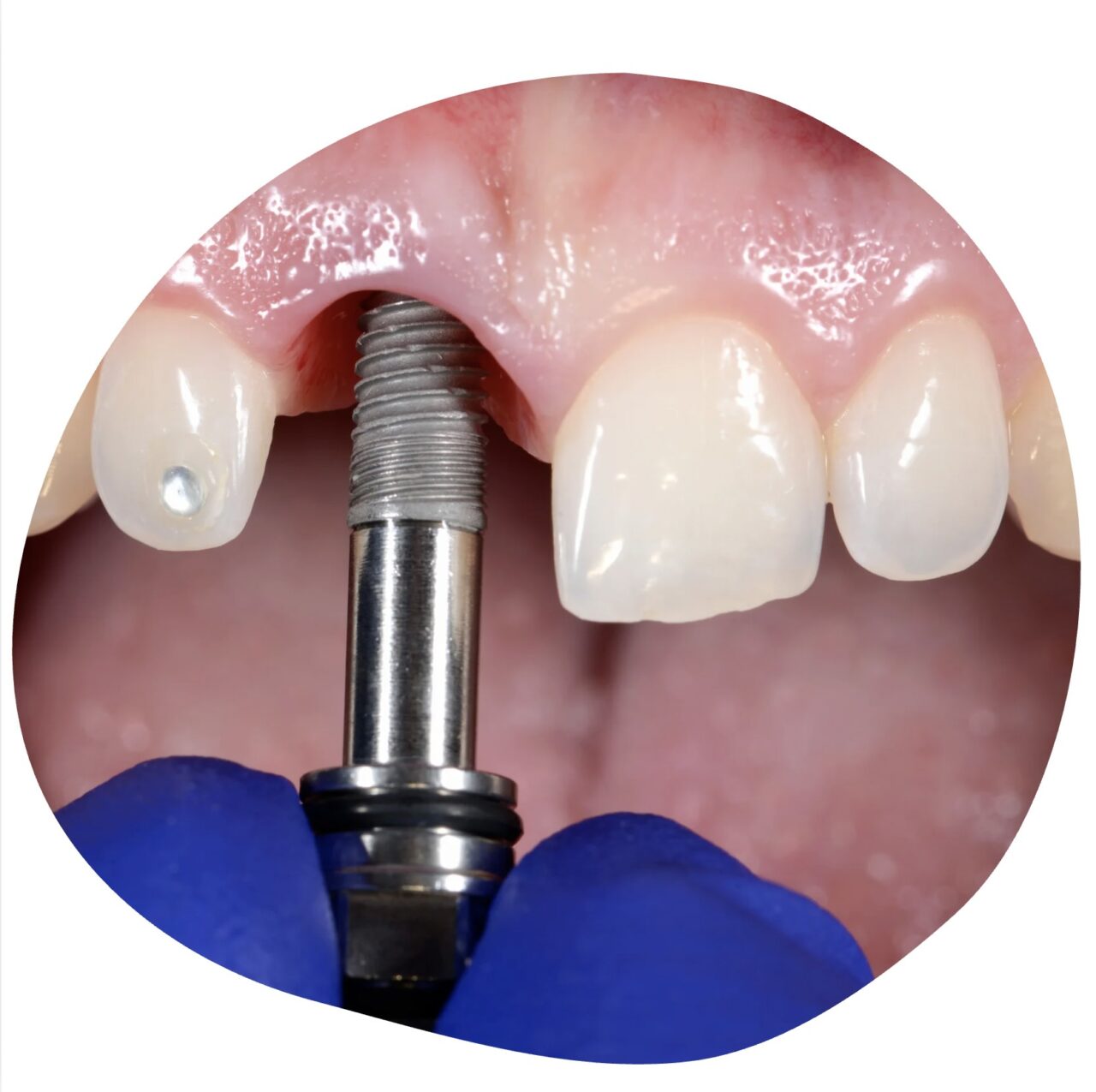
Specialized placement of dental implants, dentures, and fixed prosthetics to replace missing teeth.
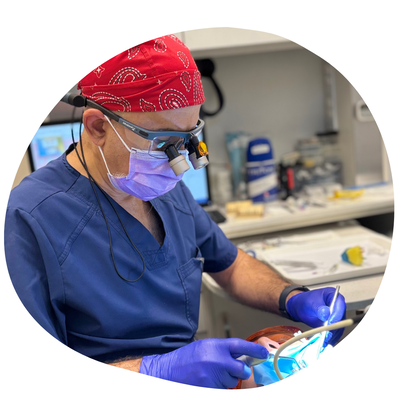
Expert diagnosis and treatment for gum disease, ensuring a healthy foundation for your smile.
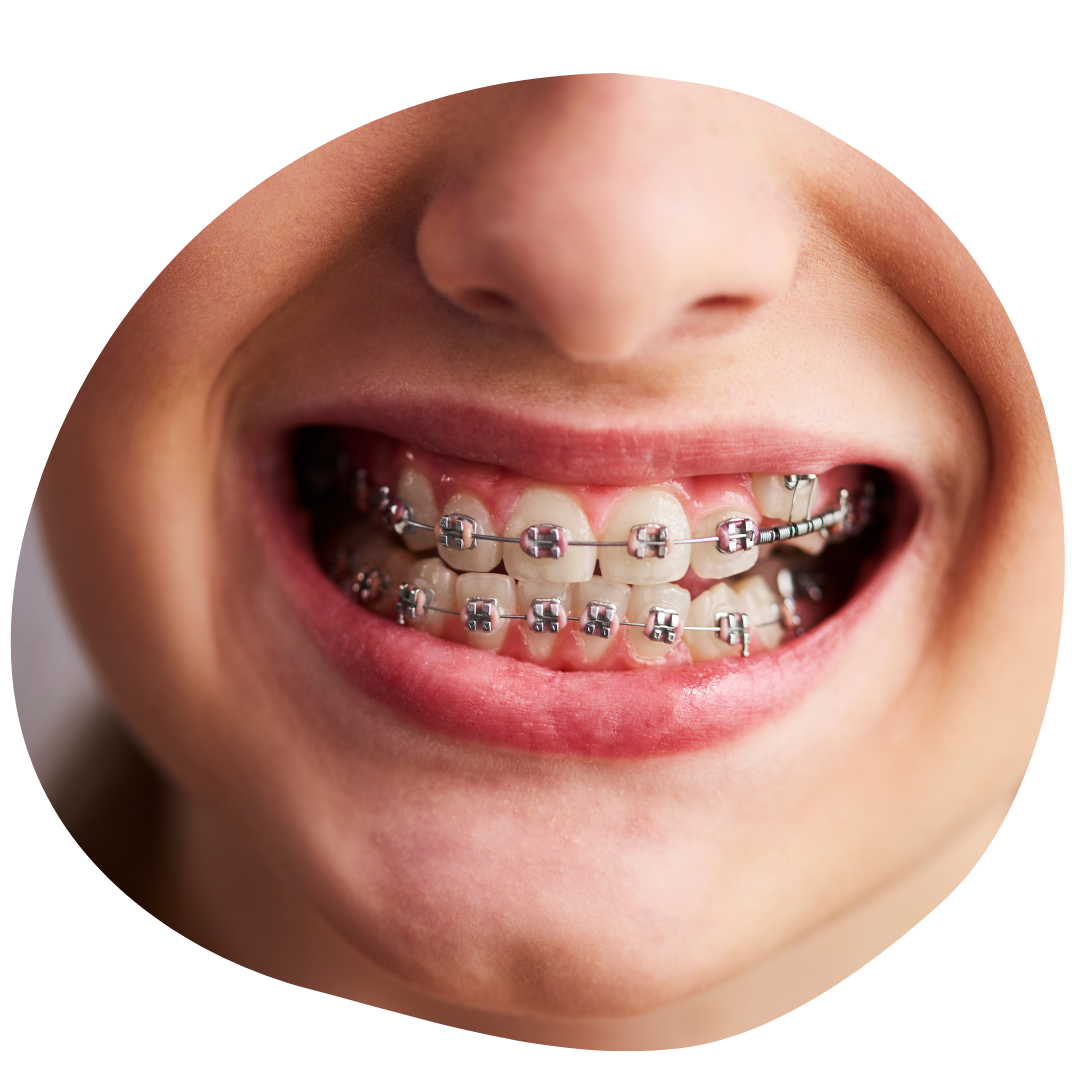
Straighten your teeth discreetly using clear aligners and braces. Orthodontic care for adults and teens.
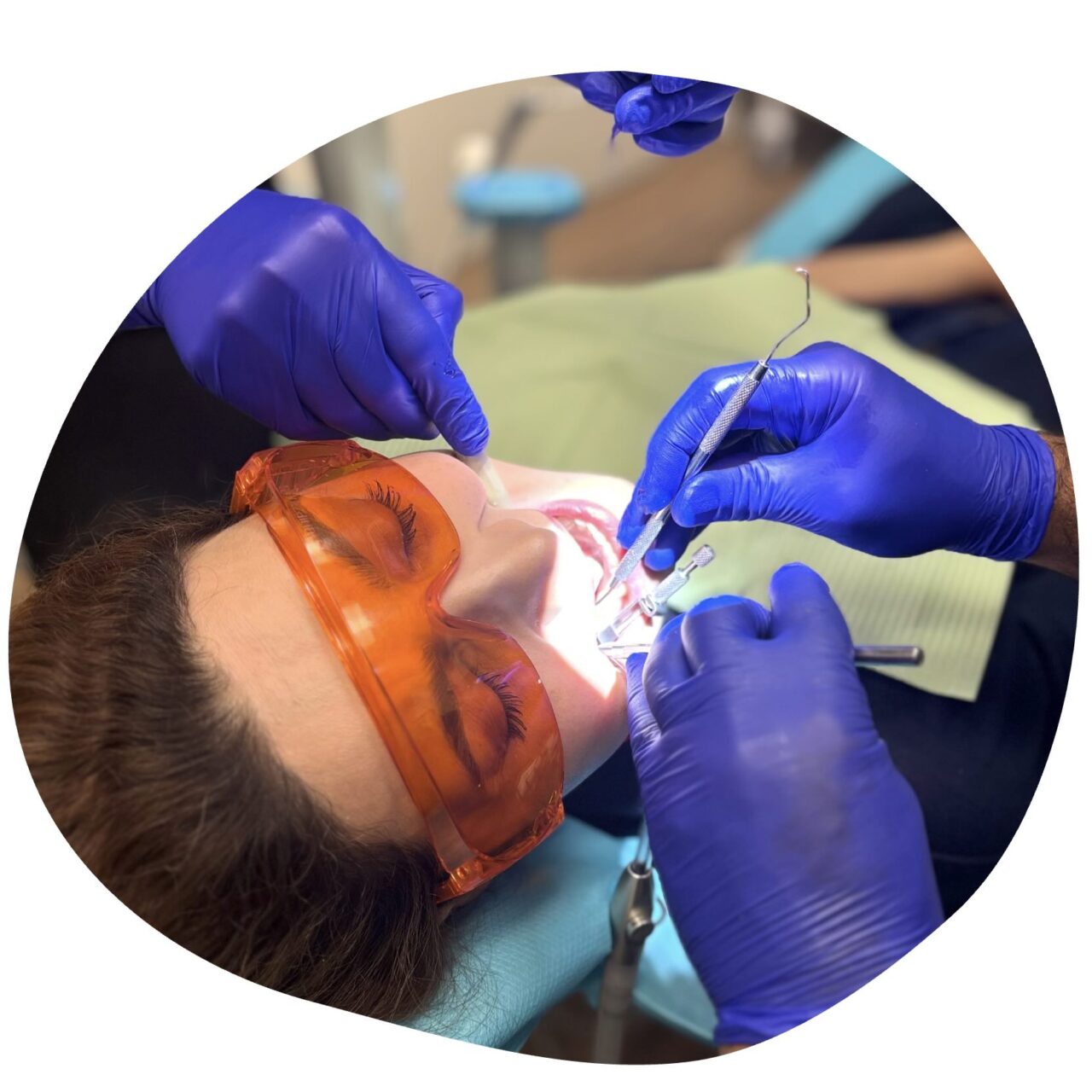
Gentle, effective Root Canal Therapy to save infected teeth and relieve severe dental pain.

Compassionate and complete dental care focused on building positive habits for children in North York.

We are a friendly team of dentists, hygienists and receptionists who work together to ensure that you receive the best treatment you require.
Copyright 2026 by Orchid Dental Needs Co. All rights reserved.
