
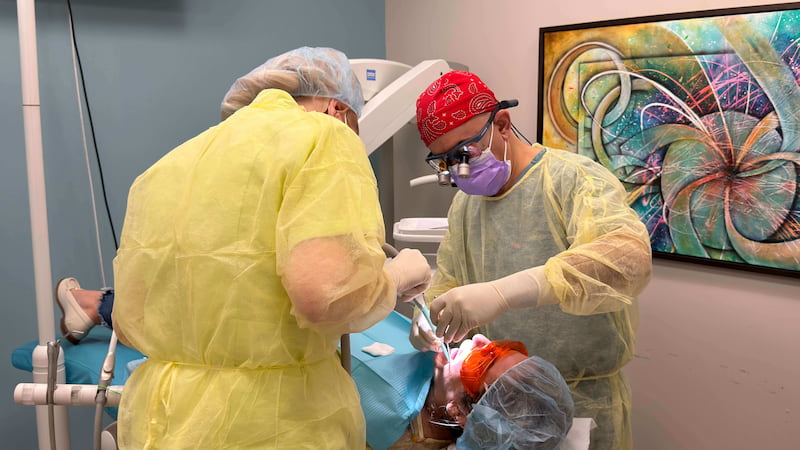
Does a root canal need a crown? The answer depends on the tooth, how much sound structure remains and the forces on it. At Vita Dentistry in North York, your dentist assesses the tooth and discusses the final restoration separately from the root canal treatment.
Table of Contents
In this article
Why the Final Restoration Matters
A root canal treats the tissues inside a tooth. A filling, crown or another restoration then protects and seals the remaining tooth. A crown is often considered for a back tooth or a tooth with substantial damage, but it is not automatically the right choice for every tooth.
Ask what the examination shows, which restoration is recommended and whether the tooth needs temporary protection between appointments. Follow the advice for your specific tooth rather than using a general online timeline.
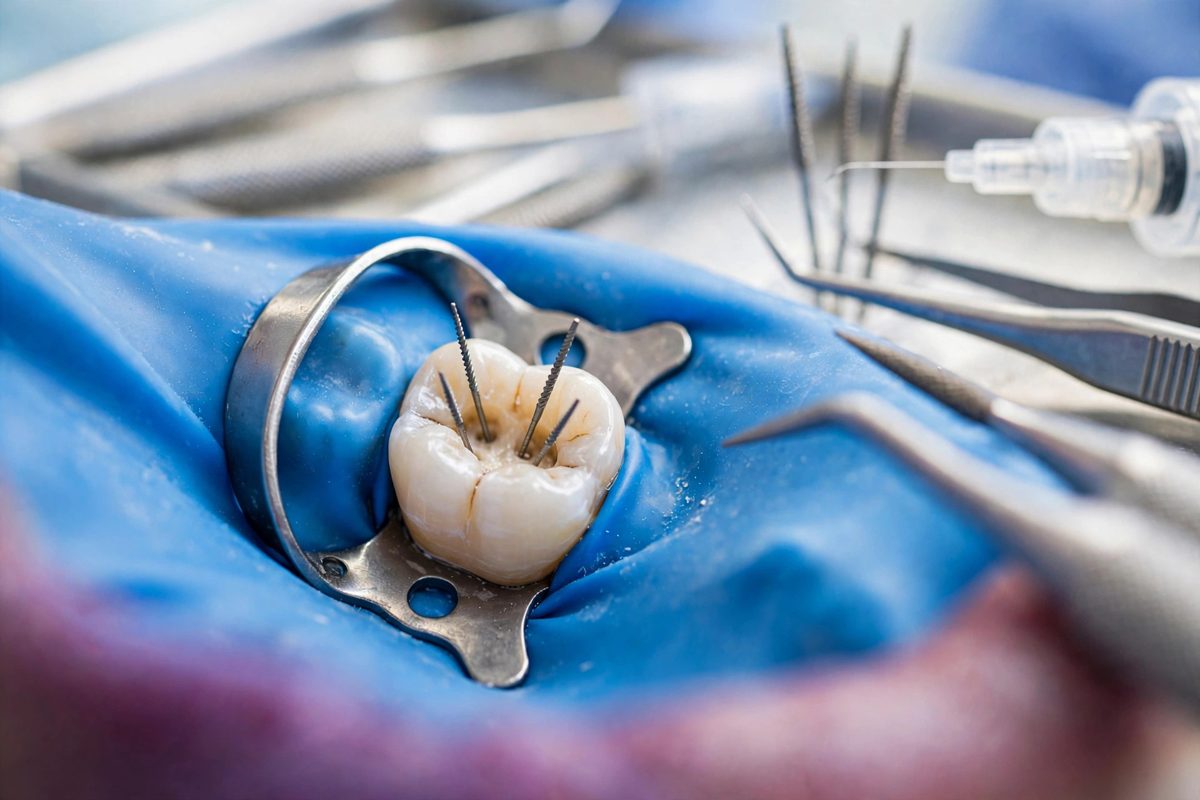
CDCP Root Canal Coverage: Current Rules
Under the current CDCP Dental Benefits Guide, standard root canal treatment on front teeth, premolars and first and second molars does not require preauthorization. Eligibility, restorability criteria and other plan rules still apply.
Preauthorization is required for root canal re-treatment, apicoectomy, retrofilling and standard treatment on third molars. Crowns have separate eligibility and preauthorization requirements. Approval of one procedure does not establish coverage for another.
Planning a Crown After Root Canal Treatment
Ask the dentist to explain what remains of the tooth and why a particular restoration is being considered. The discussion should connect the recommendation to the examination findings. You can ask how a filling or crown would protect the remaining structure, what limitations apply and whether another assessment is needed before the restoration is planned.
Before leaving a root canal appointment, confirm the next step. Ask whether the tooth currently has a temporary restoration, how to care for it and when to return. If another dentist will provide the final restoration, find out which records should be shared and who will arrange the appointment. A referral or a treatment note does not, by itself, confirm that the next visit is booked.
Tell the clinic if the temporary filling feels different, breaks or comes loose. Describe when the change happened and any symptoms so the team can advise on an assessment. Follow the instructions for your tooth rather than assuming that an absence of pain means the restoration can be postponed.
For CDCP questions, ask the team to distinguish the root canal procedure from the proposed restoration. Confirm which service is being discussed and whether a separate preauthorization decision is needed. Understanding the treatment sequence and the coverage position are related conversations, but one does not replace the other.
5 Helpful Questions About Crowns After Root Canal Treatment
Does every root-treated tooth need a crown?
No. The recommendation depends on the remaining tooth structure, tooth position and clinical findings. Ask your dentist to explain the proposed restoration.
Can I wait until the tooth hurts before arranging the restoration?
Do not use pain as your guide. Follow the restoration and review plan provided for your tooth, and contact the clinic if a temporary filling breaks or comes loose.
Does CDCP approval for a root canal also approve a crown?
No. A crown is assessed separately and requires preauthorization when eligible under the plan.
Does every CDCP root canal require preauthorization?
No. Standard treatment on anterior teeth, premolars and first and second molars does not; re-treatment and the other procedures described above do.
What should I bring to an assessment?
Bring your medication list, details of symptoms and previous treatment, any available recent records, and active CDCP member information if applicable.
References
The guidance in this article reflects Canadian dental practice and patient-education resources from the Ontario Dental Association (oda.ca), the Canadian Dental Association (cda-adc.ca) and the Royal College of Dental Surgeons of Ontario (RCDSO). Dentists in Ontario are licensed by the RCDSO, and patients can verify a dentist’s registration on the RCDSO website.
Arrange a North York Dental Assessment
Read about root canal treatment at Vita Dentistry and crowns and bridges. Call (647) 276-0076 or request an appointment at 879 York Mills Road, Unit 6. Appointment availability must be confirmed.
For urgent symptoms, see our emergency dental care information. Difficulty breathing or swallowing, rapidly spreading swelling or uncontrolled bleeding requires emergency medical attention.
Coverage information checked against Canada.ca and the benefits guide on October 18, 2026. Coverage must be confirmed for the proposed procedure. This article provides general information; diagnosis and treatment require an individual assessment.

