
Mon-Wed: 9:30AM-6PM | Thu: 10AM-6PM | Fri: 11AM-7PM | Sat: 9:30AM-4PM | Sun: Closed
Address879 York Mills Rd Unit 6, North York, ON, M3B 1Y5
For emergency dental care in North York, call Vita Dentistry at (647) 276-0076 and describe your symptoms. Tell us when the problem started and whether you have swelling, bleeding or an injury. The team will discuss the next step and appointment availability.
Our clinic is at 879 York Mills Road, Unit 6. If you are near York Mills or Don Mills, call before travelling; an immediate appointment or completion of treatment on the same day cannot be guaranteed. Difficulty breathing or swallowing, rapidly spreading swelling or uncontrolled bleeding requires emergency medical attention.
Depending on the findings, care may involve a filling repair, root canal treatment or another treatment. An examination establishes which option is appropriate.
On this page
A severe toothache, a broken tooth, new swelling or a lost restoration deserves a call to a dentist. Explain when symptoms began and whether there was an injury. The first step in emergency dental care is an assessment to identify the cause; pain alone does not tell us which treatment you need.
Difficulty breathing or swallowing, rapidly spreading facial or neck swelling, or uncontrolled bleeding needs emergency medical attention. Call 911 or go to an emergency department. Do not wait for an online dental appointment request to be answered when these warning signs are present.
An examination and any necessary imaging help distinguish a damaged filling, a cracked tooth, decay and infection. The next step might be a temporary repair, definitive dental treatment or referral. We will discuss what can be addressed at the visit and what needs further planning.
An emergency dental care visit starts with understanding the problem. Tell the dentist which tooth or area is affected, whether symptoms come and go, and what has changed since they began. If another clinic has already assessed the tooth, mention that and bring any records you have. You can also ask whether previous images would be useful.
Before agreeing to treatment, ask what the examination has established and what remains uncertain. A recommendation for another appointment or a referral should come with an explanation of the next step. Temporary relief and completion of a treatment plan are different stages; ask which stage the proposed visit will address.
For a knocked-out permanent tooth, seek dental care immediately. Hold it by the crown rather than the root, do not scrub it, and keep it moist in milk if you cannot safely replace it. Never reinsert a baby tooth. Call for instructions while arranging urgent care.
Bring your medication list and mention allergies, medical conditions and the details of any injury. Your dentist will assess the problem, discuss options and explain aftercare. An urgent visit does not necessarily mean every stage of treatment can be completed that day.
When arranging emergency dental care, mention any treatment that has recently been started elsewhere, such as a temporary filling, crown or root canal appointment. Let reception know if you need help communicating or if you have concerns about the visit. These details help the team prepare for the conversation; the dentist still needs to assess the tooth before confirming a treatment plan.
Bring your current insurance or active CDCP member information if you plan to use it. Benefit verification and the clinical assessment answer different questions. Ask which records the clinic needs, and keep any treatment or aftercare instructions from an earlier visit available.
Keep a crown or broken fragment if you can and avoid chewing on the affected side. Do not use household glue to repair a tooth. Even if the tooth is not painful, contact the clinic: exposed or weakened tooth structure can need protection.
When you call about a lost filling or crown, explain whether it followed an injury or happened while eating. Mention any appointment already booked for the tooth. If you have instructions from another dentist, bring those notes so the team can understand the sequence of events.
Ask what is causing the symptoms, what the proposed treatment will address, and whether a temporary measure is needed first. Tell us if you are anxious so we can discuss how to make the assessment manageable. Appointment and treatment availability must be confirmed.
Useful questions during an emergency dental care assessment include:
Explain any practical concerns, such as upcoming travel or difficulty returning for several appointments. Do not assume that a procedure can be completed before a particular date. The team can discuss what is feasible once the problem has been assessed. If you leave with a temporary restoration, make sure you understand the plan for reviewing it.
Follow-up is part of emergency dental care. Follow the instructions specific to your treatment and keep any recommended review appointment. Call if pain or swelling worsens or recovery is not progressing as explained. A temporary restoration may need another visit; feeling better does not always mean treatment is finished.
Before leaving, confirm who to contact with questions and when your next appointment should be arranged. Keep the treatment instructions somewhere you can find them. If you are unsure about an instruction, ask the clinic to clarify it rather than guessing. Tell any dentist you see next what treatment was carried out and when.
Call (647) 276-0076 to discuss emergency dental care and appointment availability. For non-emergency booking, request an appointment.
Seek dental care immediately. Handle a permanent tooth by the crown rather than the root and keep it moist while arranging care. Never reinsert a baby tooth. Call for instructions specific to the injury.
Call the clinic, describe your symptoms and ask about availability. The team can discuss the next step, but an immediate appointment or completion of treatment that day cannot be guaranteed.
Difficulty breathing or swallowing, rapidly spreading facial or neck swelling or uncontrolled bleeding requires emergency medical attention. Call 911 or go to an emergency department.
Yes. Contact the clinic for advice about when the tooth should be assessed. Keep the restoration if you have it and do not use household glue to repair the tooth.
Bring a medication list, relevant records and insurance or active CDCP details. Tell the team about allergies, medical conditions, the time symptoms began and any injury.
Eligible emergency examinations and treatments may be included under CDCP. Coverage depends on the specific service and the current plan criteria; verify active membership and any preauthorization requirements before treatment.
Read the Ontario Dental Association emergency dental care guidance and current CDCP coverage details. Coverage information checked October 16, 2026.
Book a visit to Vita Dentistry, simply fill out the form below and we will contact you back regarding the intervention you require.
Explain your symptoms when you call rather than waiting to mention them at the appointment. The team will discuss availability and whether you need another source of urgent care. An immediate appointment cannot be guaranteed. Request an appointment at Vita Dentistry in North York.
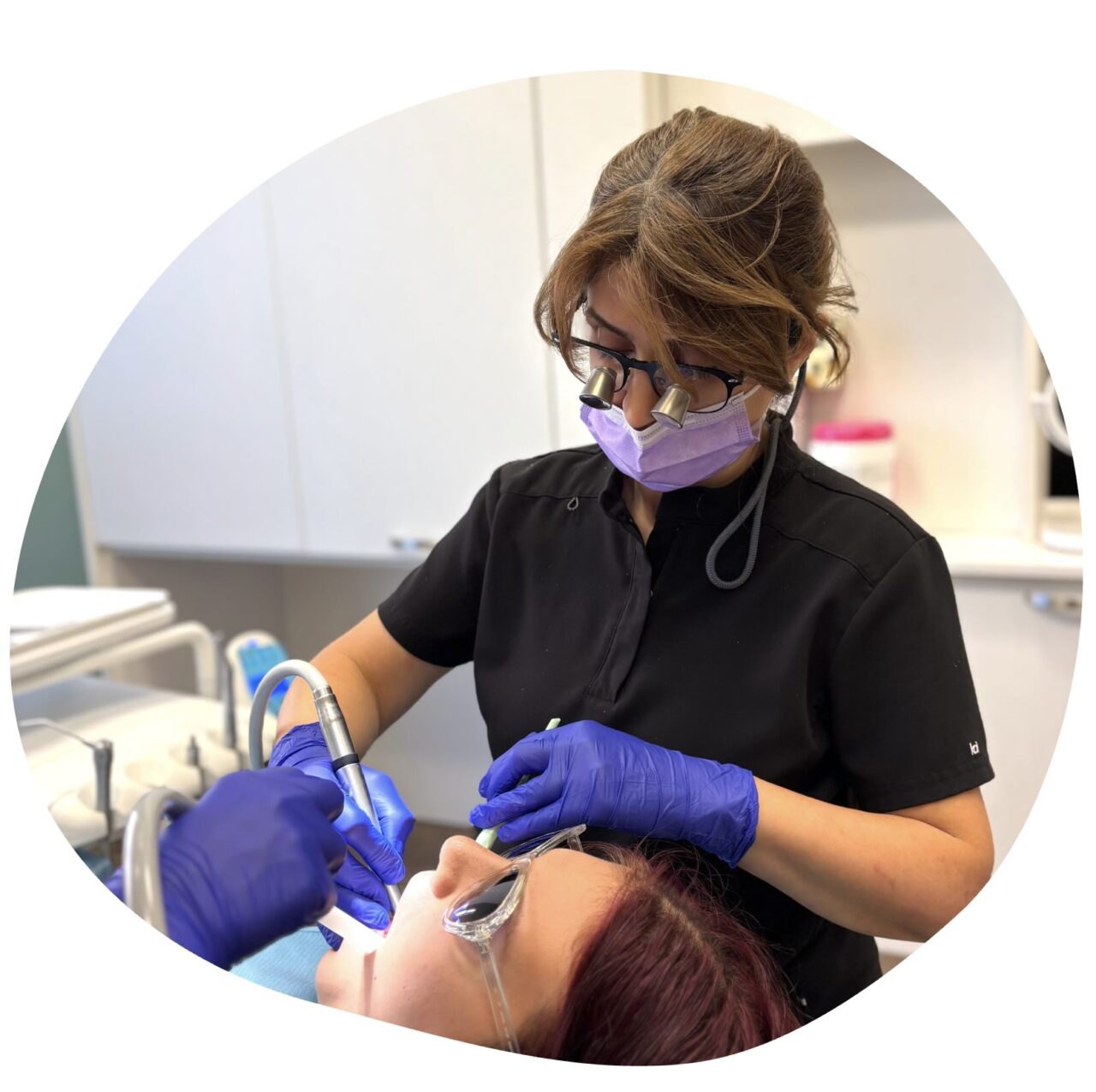
Comprehensive dental cleanings, exams, and protective care for the whole family in North York.

Restore teeth using durable fillings, custom crowns, and bridges near York Mills Road.

Achieve a stunning smile with professional teeth whitening, veneers, and smile design.
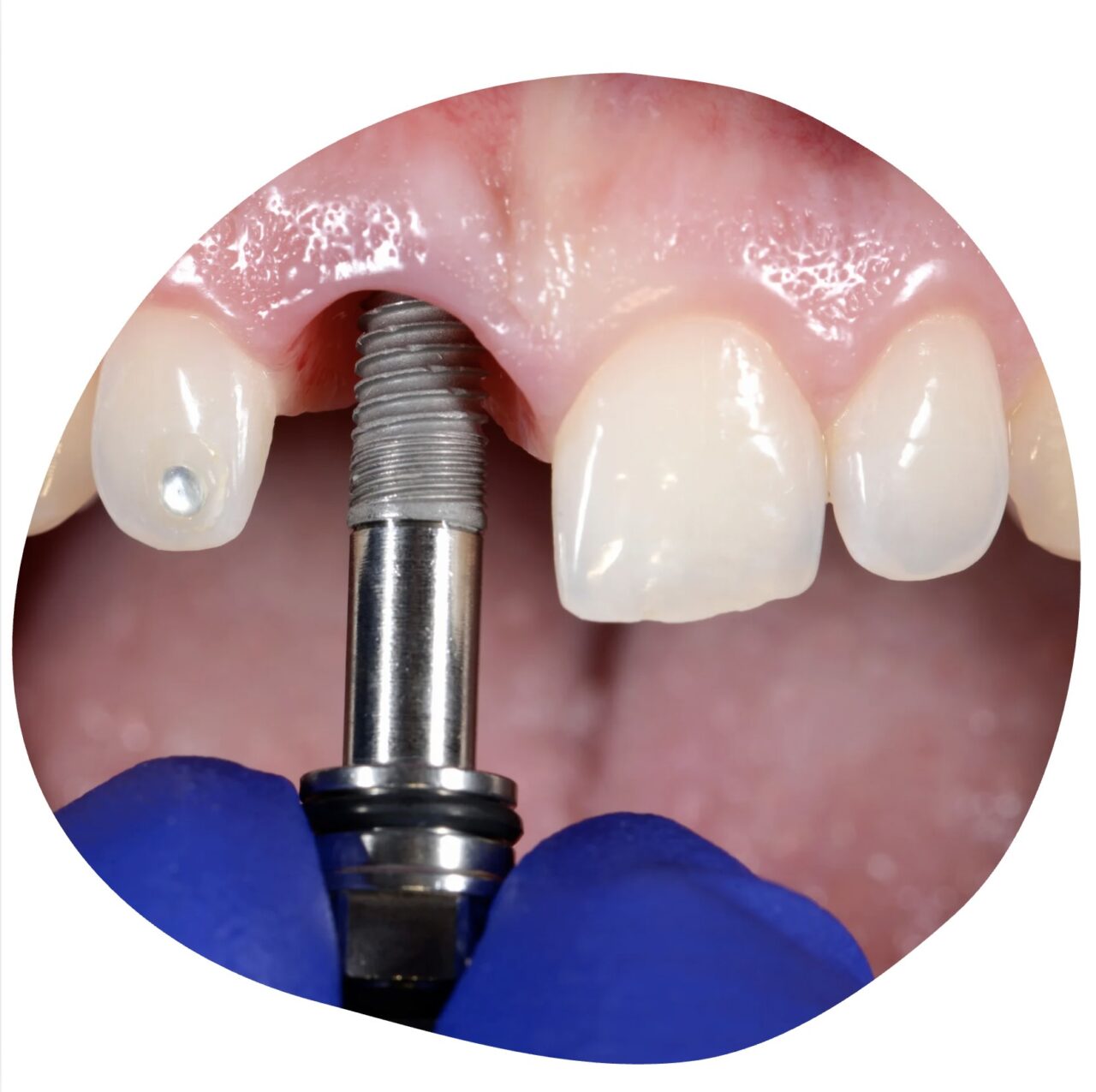
Specialized placement of dental implants, dentures, and fixed prosthetics to replace missing teeth.
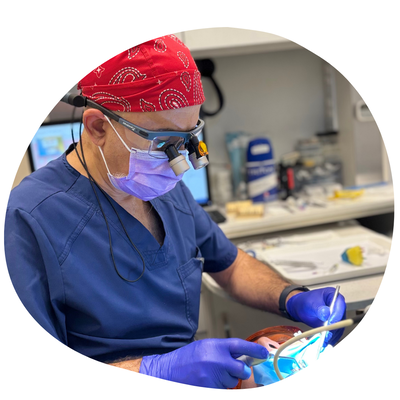
Expert diagnosis and treatment for gum disease, ensuring a healthy foundation for your smile.
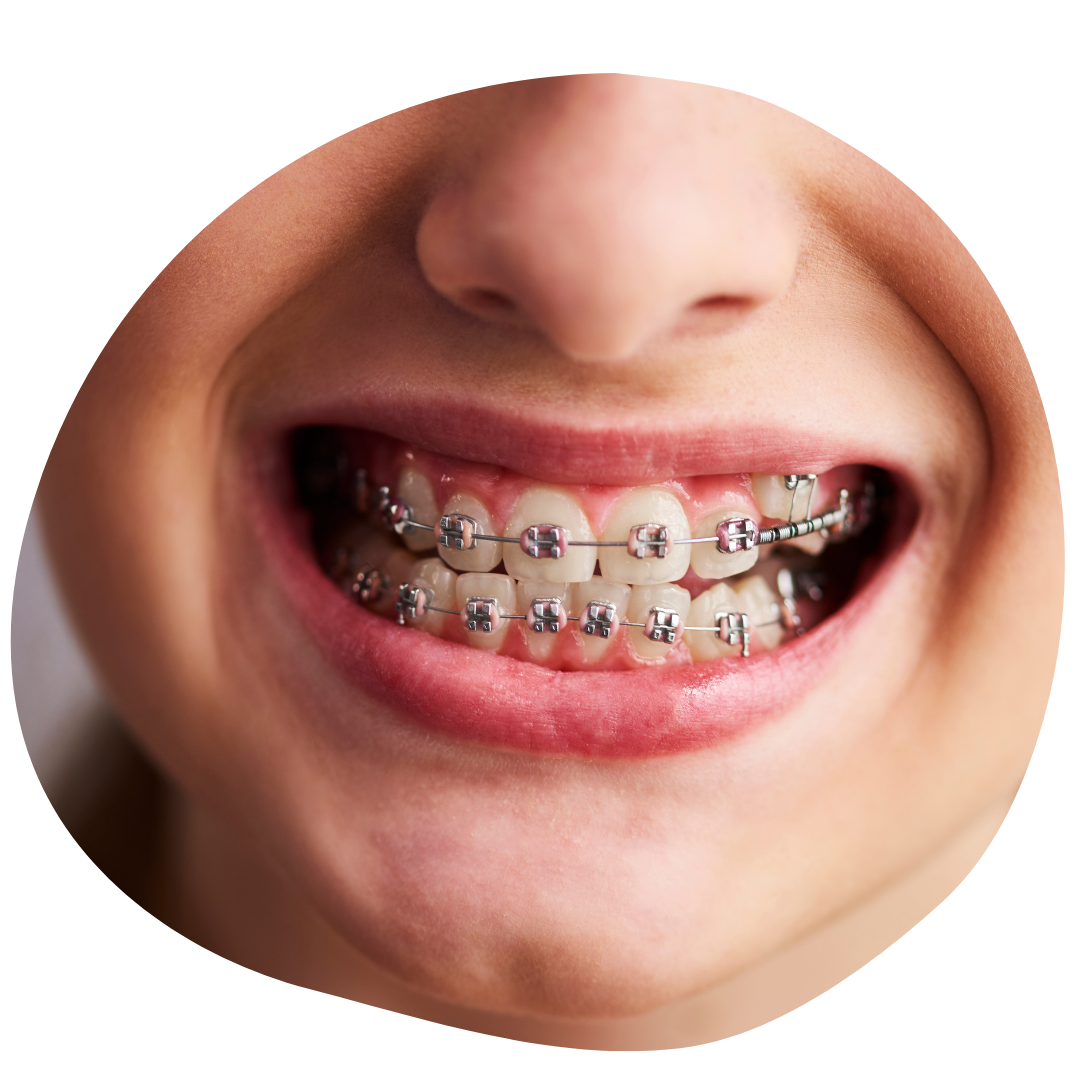
Straighten your teeth discreetly using clear aligners and braces. Orthodontic care for adults and teens.
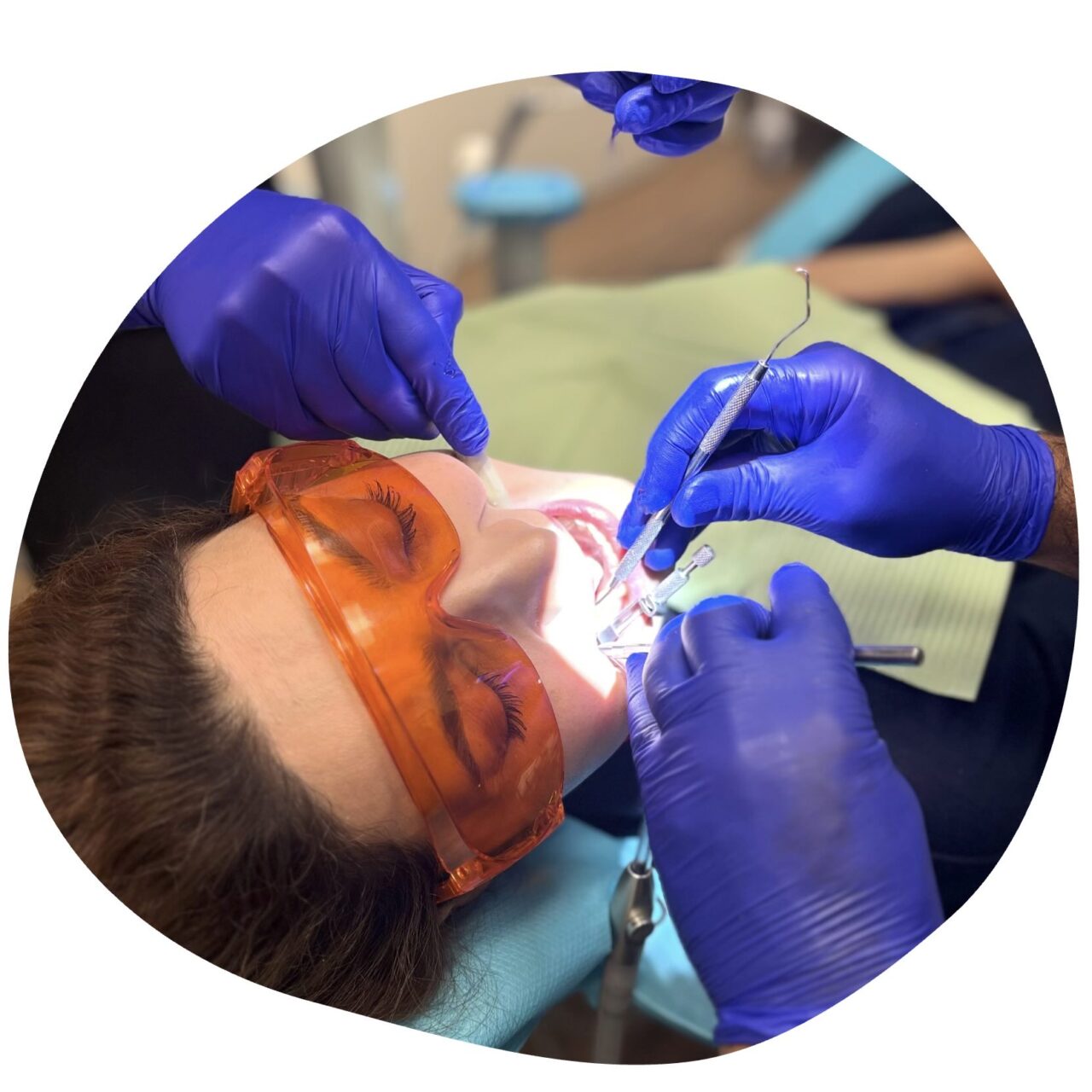
Gentle, effective Root Canal Therapy to save infected teeth and relieve severe dental pain.

Compassionate and complete dental care focused on building positive habits for children in North York.
We are a friendly team of dentists, hygienists and receptionists who work together to ensure that you receive the best treatment you require.
Copyright 2026 by Orchid Dental Needs Co. All rights reserved.


