Mon-Wed: 9:30AM-6PM | Thu: 10AM-6PM | Fri: 11AM-7PM | Sat: 9:30AM-4PM | Sun: Closed
Address879 York Mills Rd Unit 6, North York, ON, M3B 1Y5
On this page
A crown covers an existing tooth that needs reinforcement or restoration. A bridge replaces a missing tooth or teeth using supporting teeth or implants. The right option depends on what remains healthy, the bite and how you will clean the restoration.
Your dentist assesses the remaining tooth structure, gums and supporting teeth before recommending a design. Materials and appointment requirements vary. Ask which options are suitable for your case and how the proposed restoration compares with a filling, implant or removable denture.
A heavily restored, cracked or root-treated tooth may need additional protection, but a crown is not automatic for every damaged tooth. The examination establishes whether the tooth can be restored and whether other treatment is needed before a crown is planned.
A bridge can restore a space, but the supporting teeth must be assessed carefully. Conventional bridges may require preparation of neighbouring teeth. Discuss alternatives, including an implant or partial denture, and ask how each option affects healthy teeth and daily maintenance.
The number of appointments depends on the restoration and the clinical situation. Preparation, impressions or scans, laboratory work and fitting may take separate visits. Confirm the process with your dentist; same-day treatment should not be assumed for every crown or bridge.
Your dentist explains any preparation and temporary restoration before work begins. At fitting, the margins, contacts and bite are checked. Tell us if the restoration feels high or uncomfortable rather than waiting for it to settle without assessment. For crowns and bridges, ask how the bite and comfort will be reviewed after fitting.
Brush carefully along the gumline and clean between teeth every day. A bridge also needs cleaning beneath the replacement tooth; your dental team can demonstrate suitable tools. Crowns do not make teeth immune to decay, particularly at the edge near the gum.
The lifespan of crowns and bridges depends on oral hygiene, the supporting teeth, chewing forces and habits such as grinding. A loose restoration or a new symptom should be checked. Do not use household glue to attach a crown that has come off.
Tell your dentist about sensitivity, anxiety and medical changes before treatment. Ask what to expect between appointments and when to call. Temporary restorations need care and may not tolerate the same foods or forces as the completed restoration.
Request an assessment for crowns and bridges to discuss repair or replacement options. Under the CDCP, eligible crowns require preauthorization and clinical criteria; bridges are excluded. Checking coverage is separate from deciding which treatment best suits your dental needs.
Request an appointment or explore Vita Dentistry services.
A crown restores an existing tooth, while a bridge replaces a gap using suitable support. The choice depends on the remaining teeth, gums and bite. A root-treated or heavily filled tooth needs an assessment rather than an automatic recommendation for a crown.
Your dentist discusses how discomfort will be managed. Local anaesthesia may be used, and you should tell the team if you feel pain. Contact the clinic if sensitivity persists or worsens after treatment.
Crowns and bridges need daily cleaning and regular review. Ask for a demonstration of cleaning along the margins and beneath a bridge. Natural teeth can still develop decay or gum problems. Longevity varies with the supporting teeth, oral hygiene and chewing forces; no lifespan is guaranteed.
Keep the restoration and contact the clinic for advice about the timing of an assessment. Describe pain, swelling, injury or bleeding when you call. Do not use household glue or try to force the crown back. The dentist must assess the tooth and restoration before recommending repair or replacement.
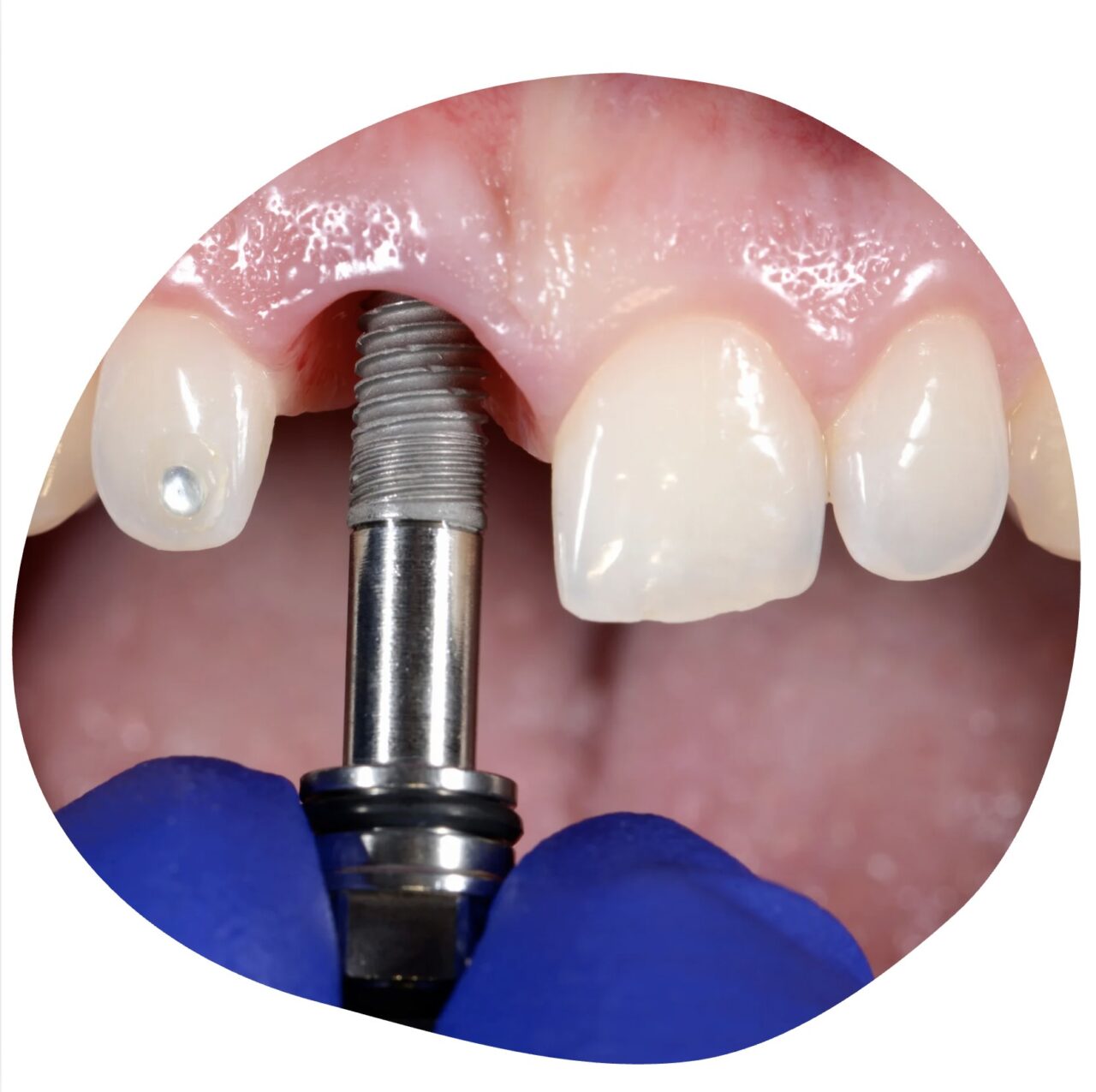
The options have different requirements. A conventional bridge may involve preparing neighbouring teeth, while an implant involves surgery and assessment of bone and gum health. Compare both with other appropriate options based on your individual findings. You can also read how dental implants in North York replace a missing tooth, since the right choice depends on the neighbouring teeth and bone.
A bridge needs suitable support and a workable cleaning plan. Gum disease, decay, limited tooth support or heavy bite forces can affect the recommendation. These findings need an assessment; they do not automatically make an implant or another option suitable.
Eligible crowns require preauthorization and must meet CDCP clinical criteria. Bridges and bridge-related procedures are excluded. Coverage is not automatic; verify the exact proposed treatment and your benefits before proceeding.
Common options include all-ceramic or porcelain, porcelain fused to metal, and full metal for some back teeth. Each balances strength, appearance and how much tooth must be shaped. Your dentist recommends a material for the tooth’s position and the forces on it, and explains the trade-offs before you decide.
Yes. The crown covers the visible part of the tooth, but the natural tooth remains at the gumline margin, where plaque can collect. Brushing, cleaning between the teeth and regular check-ups protect that margin; new decay under a crown is a common reason older crowns eventually need replacement.
For patient education, see the Ontario Dental Association oral health resources. For coverage, consult the current official CDCP benefits guide.
Vita Dentistry’s dentists practise to the standards of the Royal College of Dental Surgeons of Ontario (RCDSO). You can verify a dentist’s registration on the RCDSO website.
Ask why a crown or bridge is being recommended and what alternatives are available. Your dentist can explain the expected appointments and maintenance. Timing and suitability depend on your case. Request an appointment at Vita Dentistry in North York.
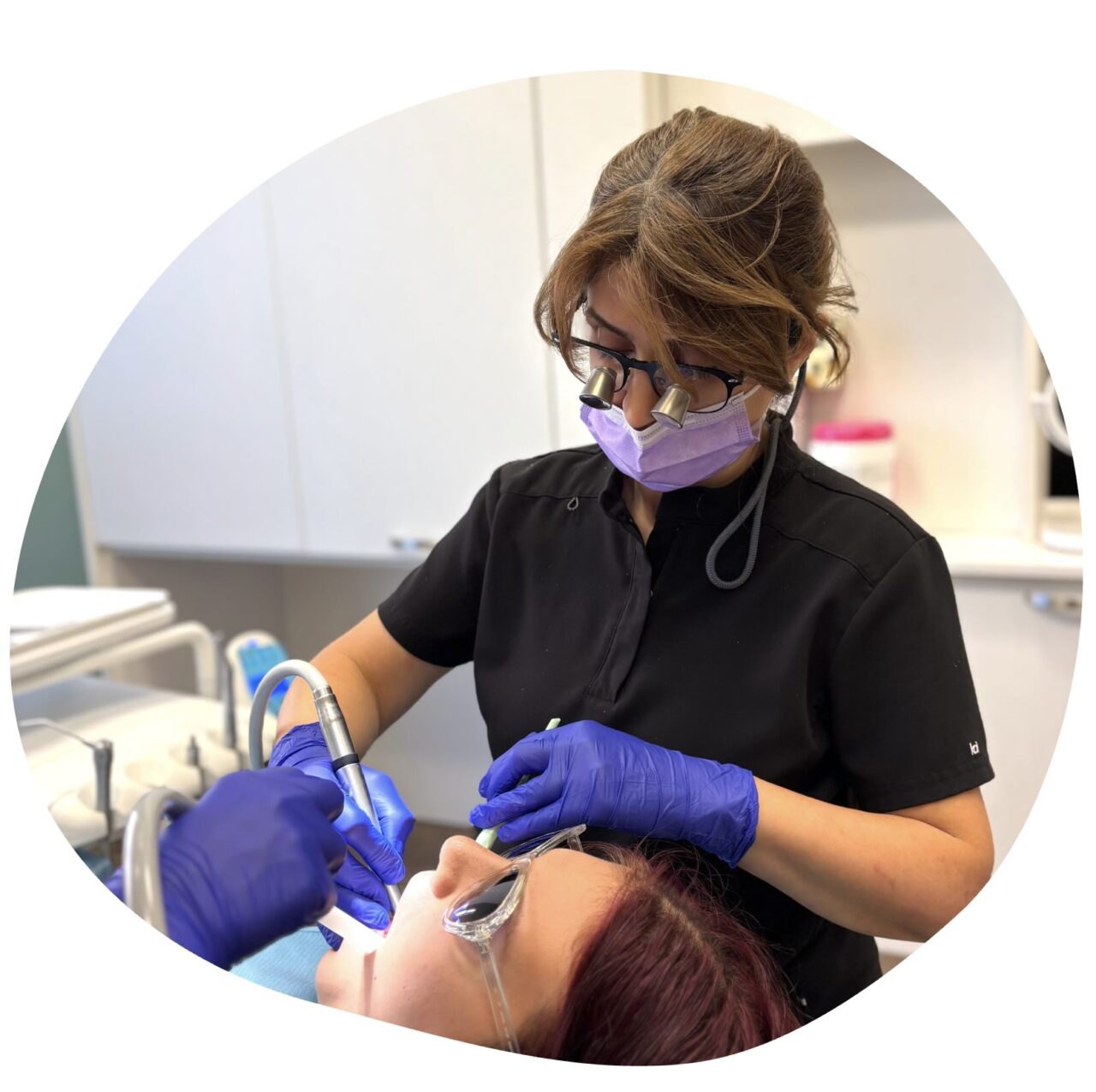
Comprehensive dental cleanings, exams, and protective care for the whole family in North York.

Restore teeth using durable fillings, custom crowns, and bridges near York Mills Road.
Assessment and treatment options for gum disease, with advice about maintaining gum health.
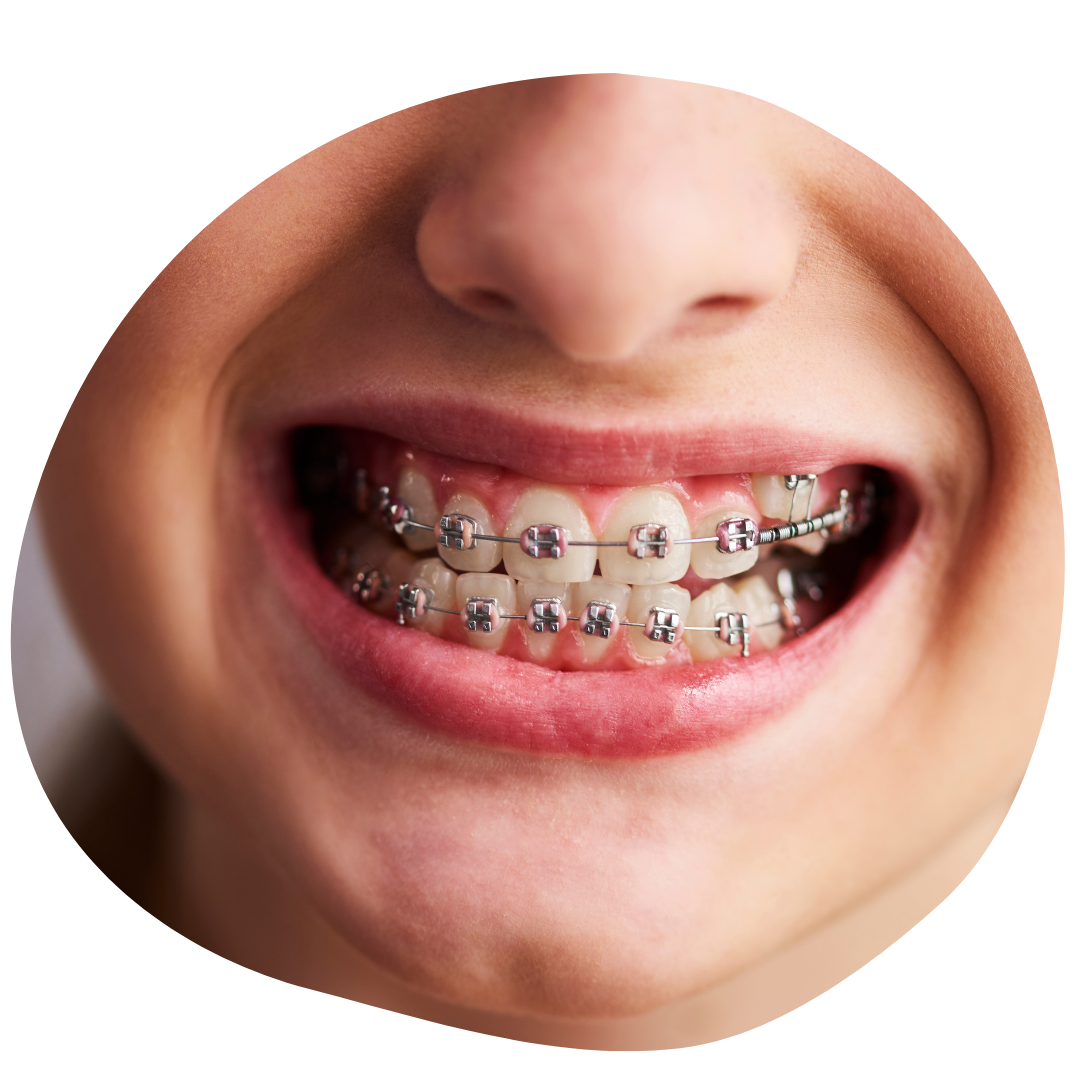
Straighten your teeth discreetly using clear aligners and braces. Orthodontic care for adults and teens.
Gentle, effective Root Canal Therapy to save infected teeth and relieve severe dental pain.

Compassionate and complete dental care focused on building positive habits for children in North York.
We are a friendly team of dentists, hygienists and receptionists who work together to plan the treatment you need.
Copyright 2026 by Vita Dentistry. All rights reserved. Website by Orchid Dental Needs.