Mon-Wed: 9:30AM-6PM | Thu: 10AM-6PM | Fri: 11AM-7PM | Sat: 9:30AM-4PM | Sun: Closed
Address879 York Mills Rd Unit 6, North York, ON, M3B 1Y5

A tooth may need removal when it cannot be predictably restored, has significant supporting tissue loss or creates another clinical concern. Before deciding, ask whether a filling, crown, root canal treatment or monitoring is a reasonable alternative.
Removal may be straightforward for an accessible tooth or require a surgical approach for a broken or impacted tooth. The examination and necessary imaging help establish complexity. Some cases require referral.
Bring details of medications, allergies and medical conditions. Blood thinners and certain bone-related medicines can affect planning. Do not stop medication on your own; your dentist will explain any coordination needed with your medical clinician.
Your clinician explains the planned procedure and how discomfort will be managed. You may feel pressure; let the team know if you have pain. The specific steps and length of the appointment depend on the tooth.
Follow the aftercare instructions for pressure on gauze, food, cleaning and activity. Avoid disturbing the site. Ask how to manage discomfort safely for your medical history rather than following another person’s medication plan.
Contact the treating clinic about persistent bleeding or increasing pain, particularly after initial improvement. Report worsening swelling or fever. Difficulty breathing or swallowing needs emergency medical attention.
After removal, ask whether and when the gap should be restored. An implant, bridge or denture may be discussed according to your dental health and preferences. Not every extracted tooth needs the same replacement approach.
Keep any recommended review and follow instructions until the area has healed. Recovery time varies with the procedure and your health. Confirm when you can return to usual exercise or other activities.
Request an assessment for a tooth that may need removal. Eligible CDCP extractions are subject to clinical criteria, limits and any applicable preauthorization. The dentist should confirm the treatment plan separately from benefits.
Request an appointment or explore Vita Dentistry services.
What is dry socket, and how can I avoid it after an extraction?
Dry socket happens when the protective blood clot in the extraction site comes loose or dissolves too early, exposing bone and causing significant pain a few days after the procedure. To prevent it: do not smoke or vape for at least 72 hours, avoid drinking through straws, do not spit forcefully or rinse vigorously in the first 24 hours, and stick to soft foods. If severe throbbing pain develops 2 to 4 days after your extraction, call Vita Dentistry at (647) 276-0076 — dry socket is treatable, but it needs professional care.
What can I eat after a tooth extraction, and when can I eat normally?
For the first 24 to 48 hours, stick to cool, soft foods: yogurt, smoothies (no straw), mashed potatoes, scrambled eggs, and soups that are lukewarm, not hot. Avoid crunchy, spicy, or seedy foods that can irritate the site. Most patients return to a normal diet within a week, but avoid chewing directly on the extraction site until it feels fully comfortable.
Can I smoke or vape after a tooth extraction?
You should avoid smoking and vaping for at least 72 hours — ideally a full week. The suction motion can dislodge the blood clot and cause dry socket, and the chemicals slow healing and raise infection risk. This is one of the most common reasons extractions heal poorly, so if you smoke, this is the single most important aftercare instruction to follow.
Do I need to replace the extracted tooth?
In most cases, yes — leaving a gap lets neighbouring teeth shift, affects your bite, and can cause bone loss in the jaw over time. The main options are a dental implant, a bridge, or a partial denture, and the right choice depends on the tooth’s location and your overall dental health. The exception is wisdom teeth, which do not need replacement. We will discuss your replacement options at your North York visit before the extraction, so you have a complete plan.
Is extraction always necessary, or can the tooth be saved?
We always try to save the tooth first. Many teeth that seem “hopeless” can be preserved with root canal treatment and a crown. Extraction becomes the honest recommendation when the tooth is too broken down, cracked below the gum line, or when gum disease has destroyed too much supporting bone. If we recommend extraction, we will explain exactly why saving it is no longer predictable — and if we think it can be saved, we will tell you that too.
Are tooth extractions covered by the Canadian Dental Care Plan (CDCP)?
Extractions may be covered for eligible CDCP patients, subject to an eligibility assessment first — coverage is never automatic and follows the CDCP fee guide. Vita Dentistry accepts CDCP for eligible patients. Call us at (647) 276-0076 and we will help you understand your coverage before treatment.
For patient education, see the Ontario Dental Association oral health resources. For coverage, consult the current official CDCP benefits guide.
Book a visit to Vita Dentistry, simply fill out the form below and we will contact you back regarding the intervention you require.
Bring your medication list and let us know about your medical history. Before treatment, ask about recovery instructions, follow-up and whom to contact if you have concerns afterward. Request an appointment at Vita Dentistry in North York.
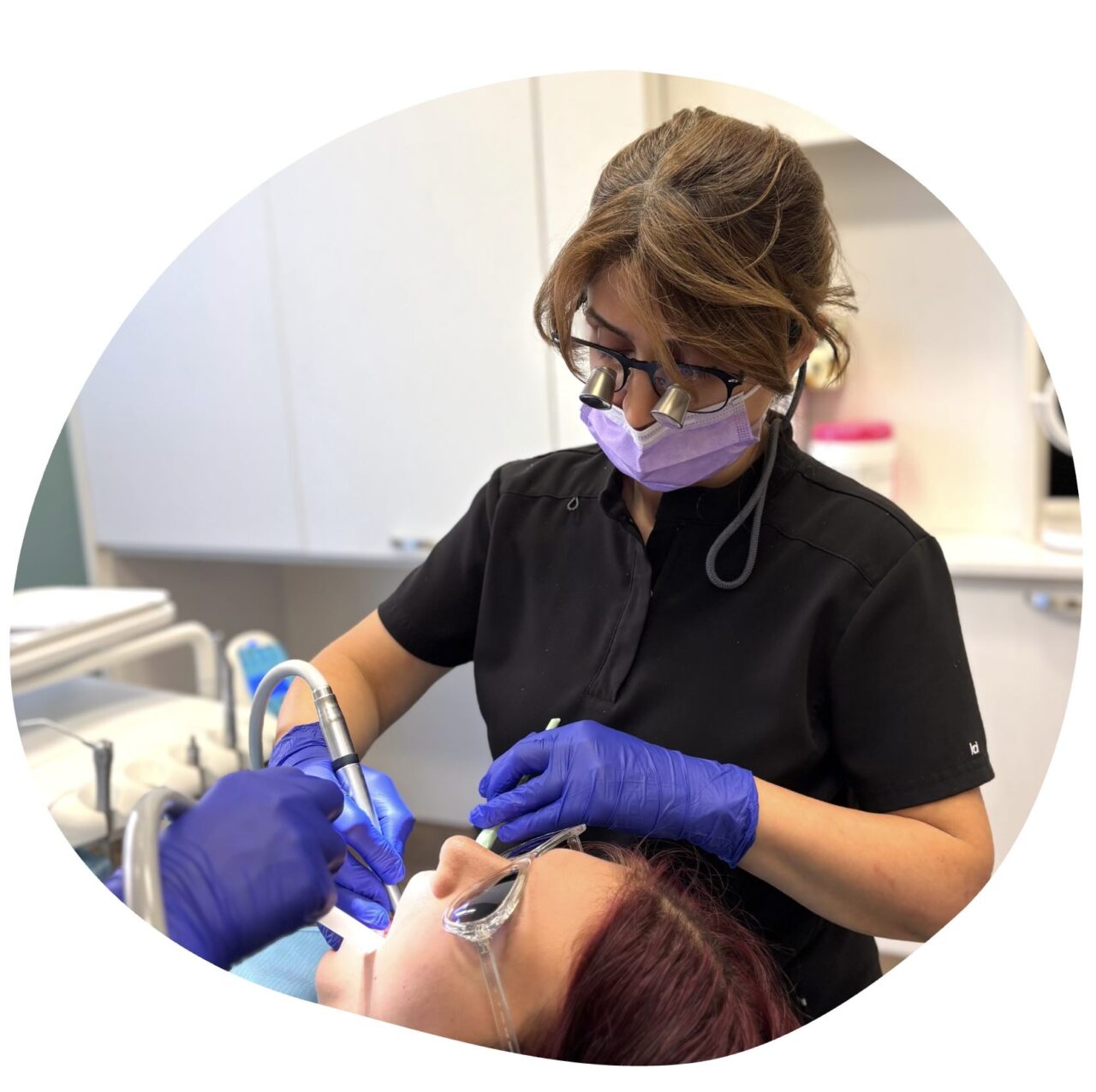
Comprehensive dental cleanings, exams, and protective care for the whole family in North York.

Restore teeth using durable fillings, custom crowns, and bridges near York Mills Road.

Achieve a stunning smile with professional teeth whitening, veneers, and smile design.
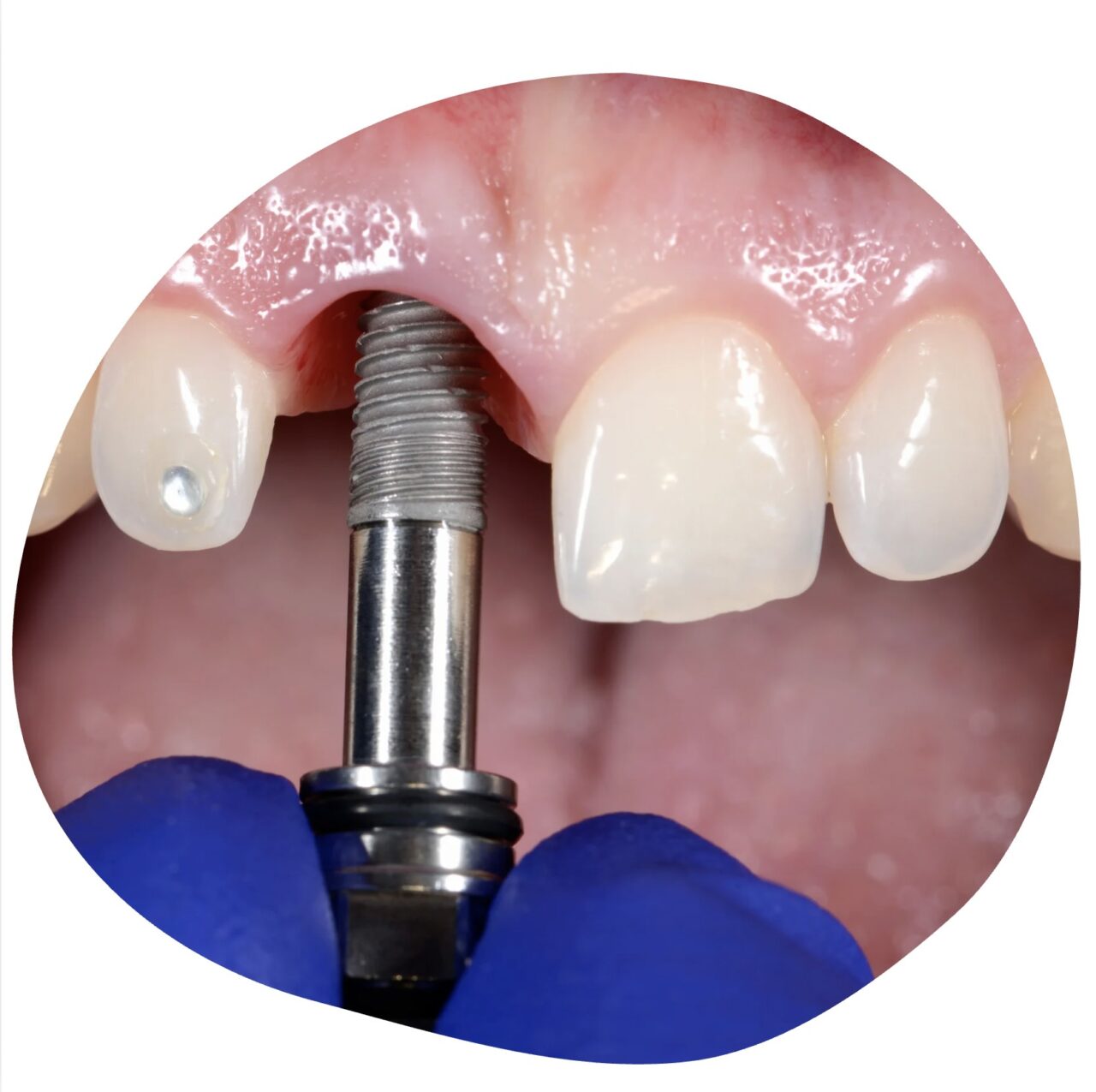
Specialized placement of dental implants, dentures, and fixed prosthetics to replace missing teeth.
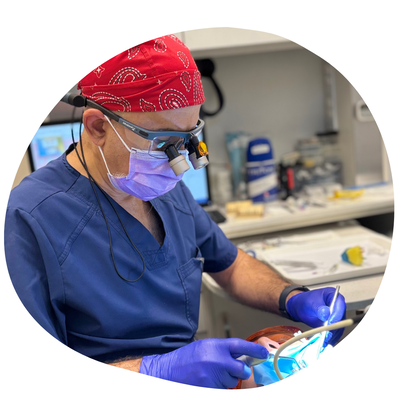
Expert diagnosis and treatment for gum disease, ensuring a healthy foundation for your smile.
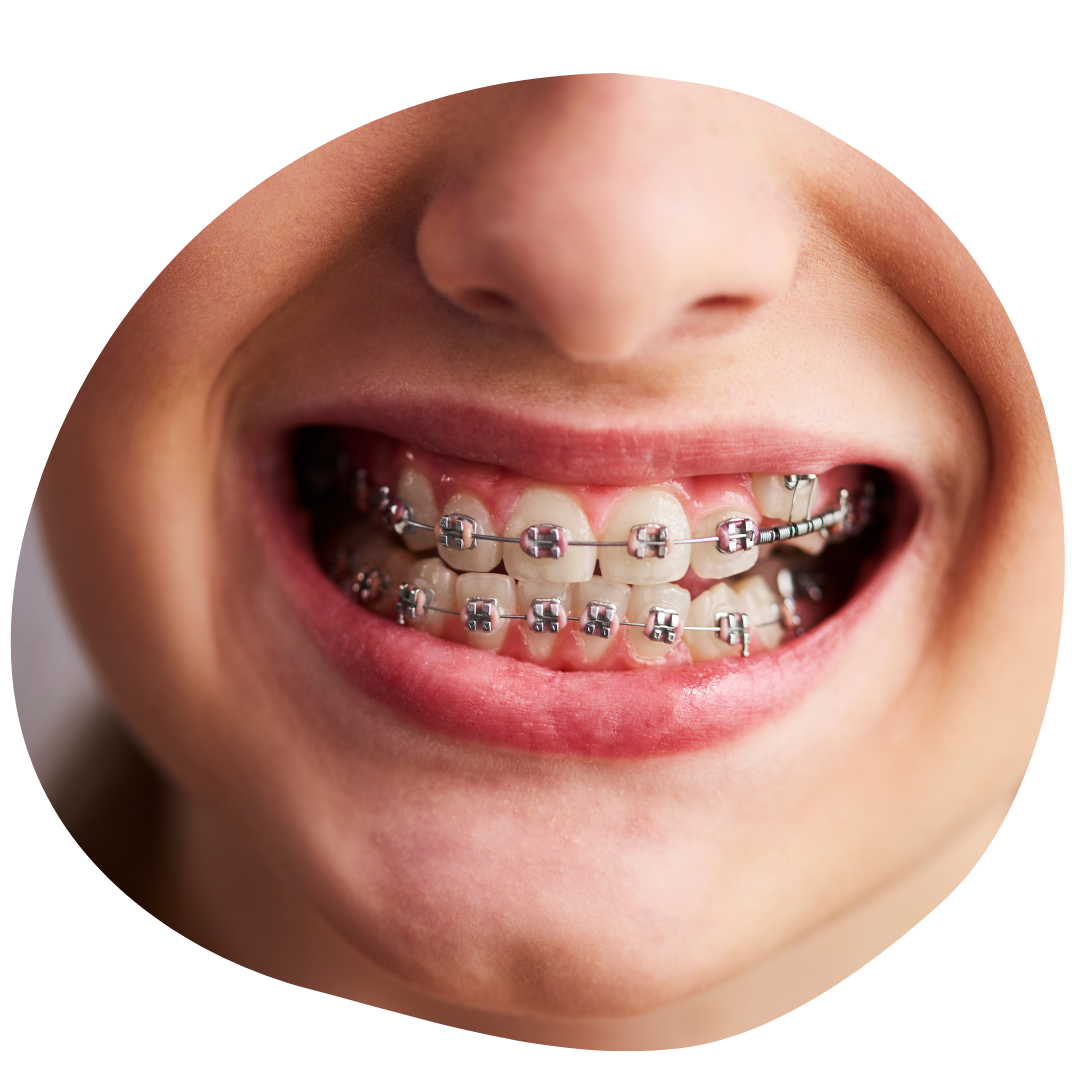
Straighten your teeth discreetly using clear aligners and braces. Orthodontic care for adults and teens.
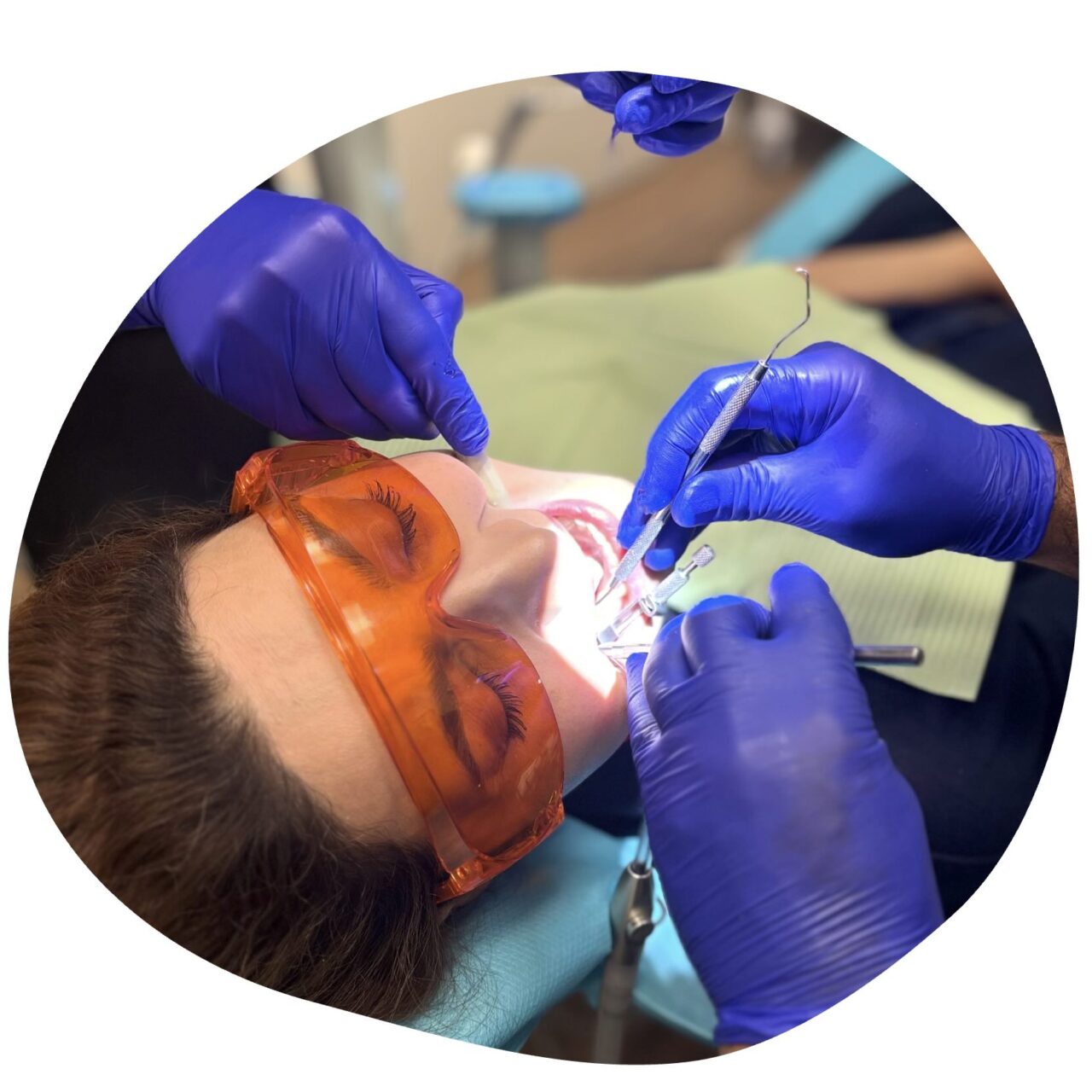
Gentle, effective Root Canal Therapy to save infected teeth and relieve severe dental pain.

Compassionate and complete dental care focused on building positive habits for children in North York.

We are a friendly team of dentists, hygienists and receptionists who work together to ensure that you receive the best treatment you require.
Copyright 2026 by Orchid Dental Needs Co. All rights reserved.
