Mon-Wed: 9:30AM-6PM | Thu: 10AM-6PM | Fri: 11AM-7PM | Sat: 9:30AM-4PM | Sun: Closed
Address879 York Mills Rd Unit 6, North York, ON, M3B 1Y5

Veneers are thin restorations bonded to the fronts of selected teeth. They can change shape and appearance, but the teeth and gums must be assessed first. Veneers are a treatment commitment rather than a temporary cosmetic accessory.
Veneers may be considered for some colour, shape or surface concerns. They do not treat active decay or gum disease and are not a substitute for orthodontics in every case. Ask whether a less invasive option could meet your goals.
Whitening, composite bonding, orthodontic treatment or monitoring may be appropriate alternatives. Compare how much tooth preparation each option involves and how repairs would be handled later. Healthy tooth structure should be part of the discussion.
Discuss the proposed appearance and any tooth preparation before proceeding. The number of appointments depends on the case and laboratory process. A preview, if used, helps communicate a plan but does not guarantee an exact result.
Your dentist explains whether enamel will be removed and whether temporary restorations are needed. At fitting, the appearance, contacts and bite are reviewed. Tell us about concerns before the final restoration is completed.
When enamel is removed, it does not grow back. Prepared teeth may need restorations maintained or replaced in the future. Ask about this long-term commitment and your options if a veneer chips or becomes loose.
Brush and clean between teeth carefully; the supporting teeth can still develop decay. Habits such as grinding or biting hard objects can damage restorations. Your dentist can assess whether protective measures are appropriate.
Gum changes, wear and restoration damage can affect the appearance and function over time. Keep review appointments and call if a veneer feels loose or your bite changes. Longevity cannot be guaranteed for a fixed number of years.
Request a consultation to compare porcelain veneers with other suitable options. Veneers are excluded from CDCP coverage. Use the official benefits guide when checking coverage for cosmetic dental treatment.
Request an appointment or explore Vita Dentistry services.
Do veneers require shaving down my teeth? Is it reversible?
Porcelain veneers require removing a thin layer of enamel — usually less than a millimetre — so the veneer sits flush and looks natural. Because enamel does not grow back, veneers are considered a permanent, irreversible commitment: once you have them, those teeth will always need to be covered. This is the most important thing to understand before proceeding, and we make sure every patient at Vita Dentistry is fully comfortable with that before we begin.
What is the difference between veneers and laminates?
The terms are often used interchangeably. Traditionally, “laminates” refers to ultra-thin porcelain shells that require even less enamel removal than conventional veneers, making them the most conservative porcelain option. Whether a laminate or a standard veneer is right for you depends on the condition of your teeth and the change you want — we will recommend the option that preserves the most natural tooth structure while achieving your goals.
Can veneers fix crooked teeth?
Veneers can disguise mildly crooked, uneven, or gapped teeth, and this is sometimes called “instant orthodontics.” But honestly, veneers cannot fix bite problems, severely rotated teeth, or significant misalignment — attempting to do so can damage the teeth and produce an unnatural result. If your misalignment is more than cosmetic, we will tell you that clear aligners or orthodontics are the healthier choice first.
Who is NOT a good candidate for porcelain veneers?
Veneers are not ideal if you grind or clench your teeth heavily (bruxism can crack porcelain — a night guard is essential), if you have active gum disease or significant tooth decay, or if your teeth are too weak or broken down to support a veneer. We assess your bite, gums, and tooth structure at your consultation in North York and will be upfront if veneers are not the right solution for you.
What happens if a veneer chips or falls off?
It is uncommon, but it can happen — usually from biting something very hard or from teeth grinding. Save the veneer if you can, avoid chewing on that side, and call Vita Dentistry at (647) 276-0076 promptly. In many cases the veneer can be re-bonded; if it is damaged, a replacement can be made. Never try to glue it back yourself with household adhesives.
Are porcelain veneers covered by the Canadian Dental Care Plan (CDCP)?
No. Porcelain veneers and laminates are cosmetic treatments and are not covered under the CDCP. If you are considering veneers, call us at (647) 276-0076 or book an assessment to discuss suitability and treatment options so you know the full picture before deciding.
For patient education, see the Ontario Dental Association oral health resources. For coverage, consult the current official CDCP benefits guide.
Book a visit to Vita Dentistry, simply fill out the form below and we will contact you back regarding the intervention you require.
Ask how much preparation your teeth may need and how a veneer would be maintained or replaced. Bonding, whitening or orthodontic treatment may be worth discussing before committing to veneers. Request an appointment at Vita Dentistry in North York.
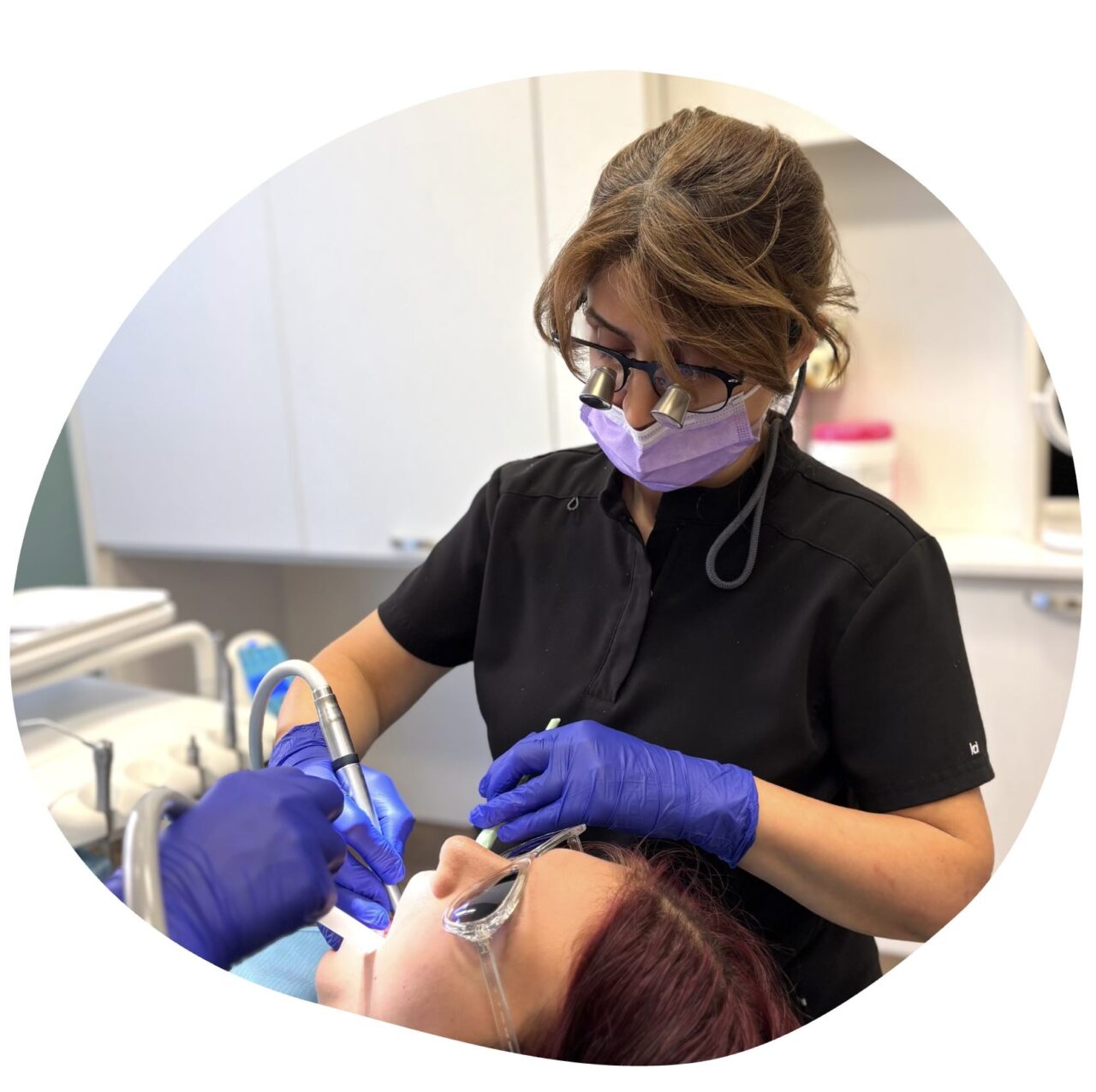
Comprehensive dental cleanings, exams, and protective care for the whole family in North York.

Restore teeth using durable fillings, custom crowns, and bridges near York Mills Road.

Achieve a stunning smile with professional teeth whitening, veneers, and smile design.
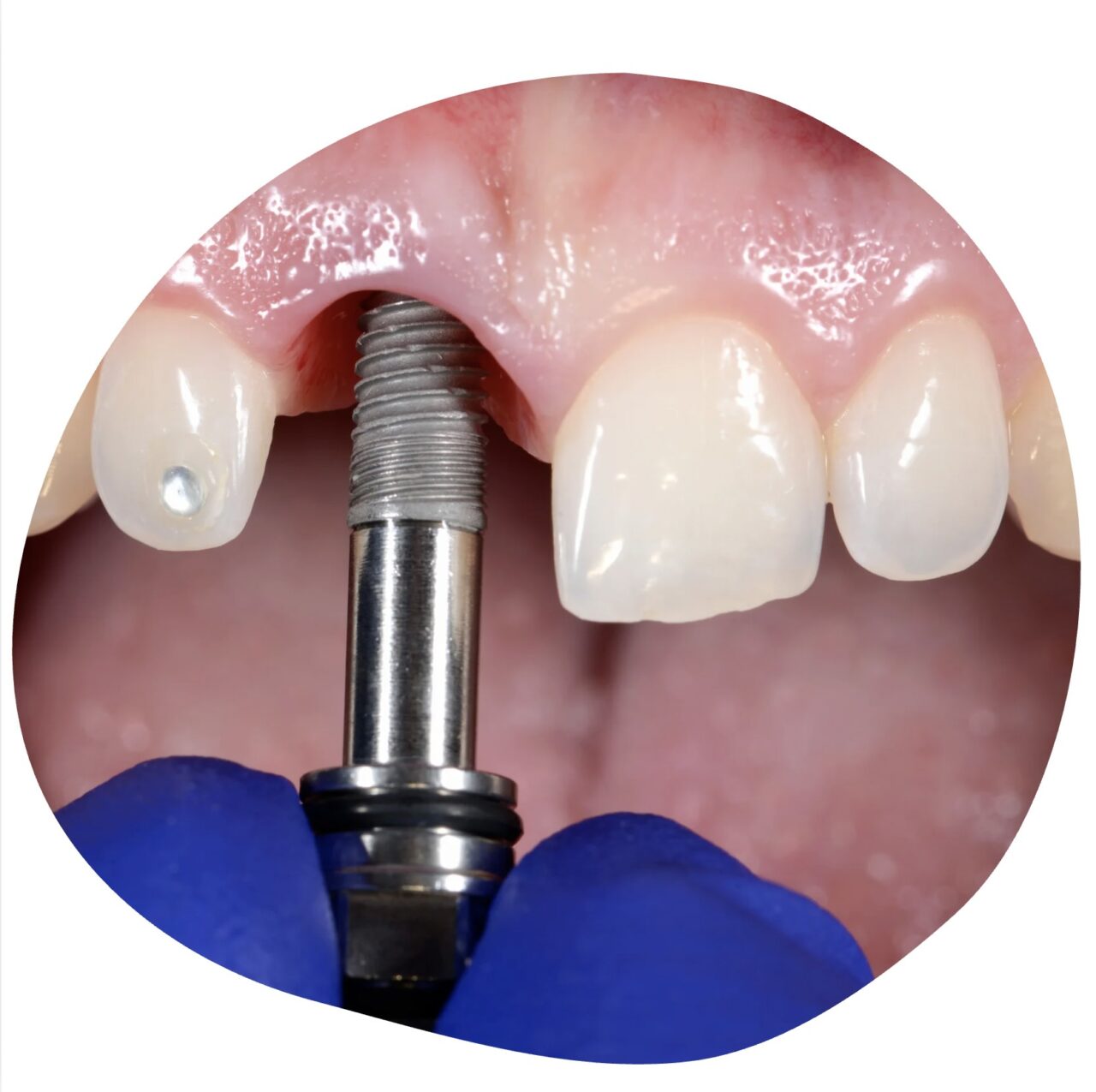
Specialized placement of dental implants, dentures, and fixed prosthetics to replace missing teeth.
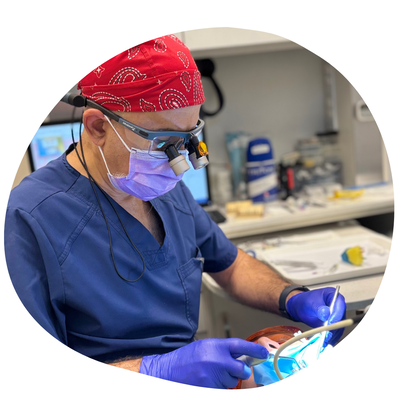
Expert diagnosis and treatment for gum disease, ensuring a healthy foundation for your smile.
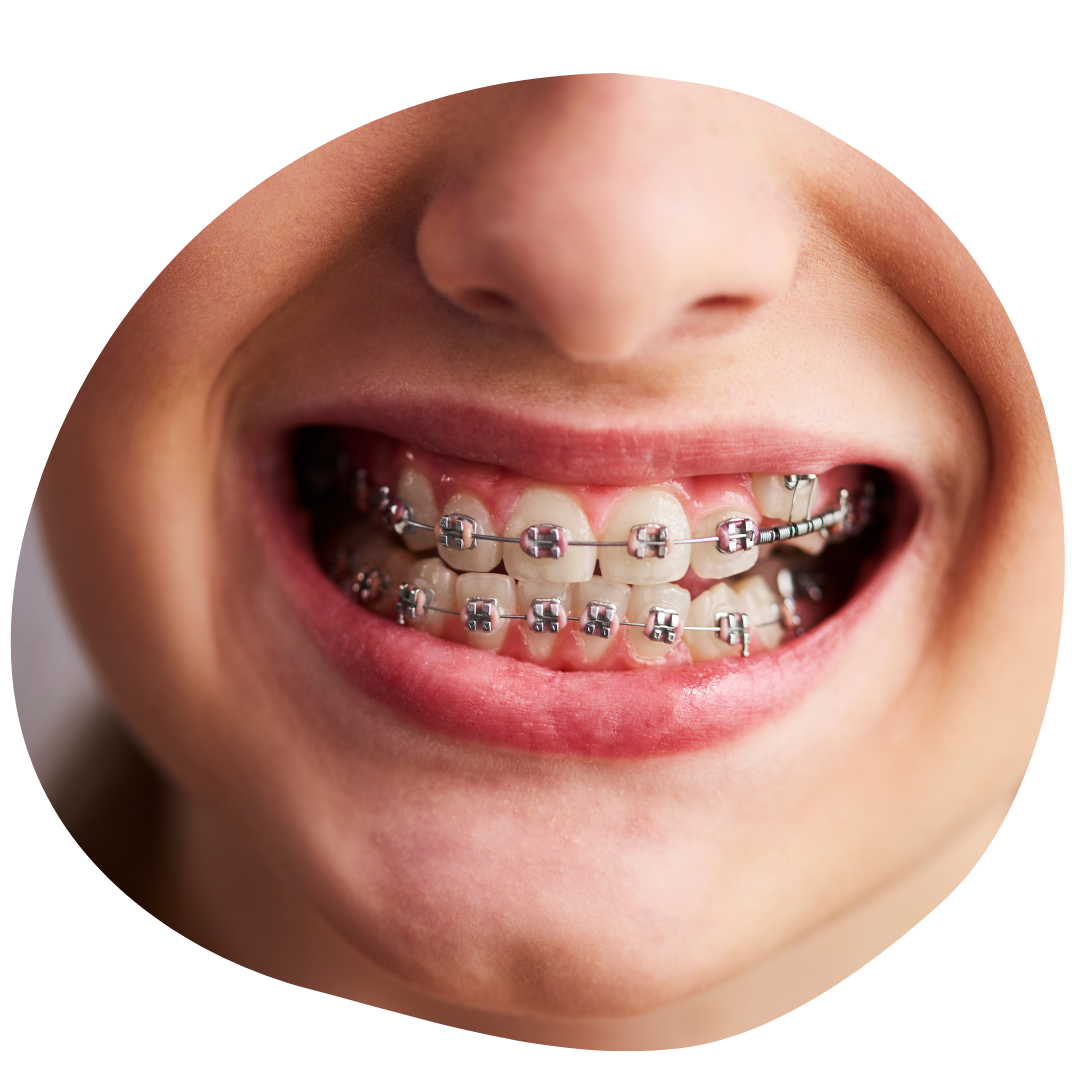
Straighten your teeth discreetly using clear aligners and braces. Orthodontic care for adults and teens.
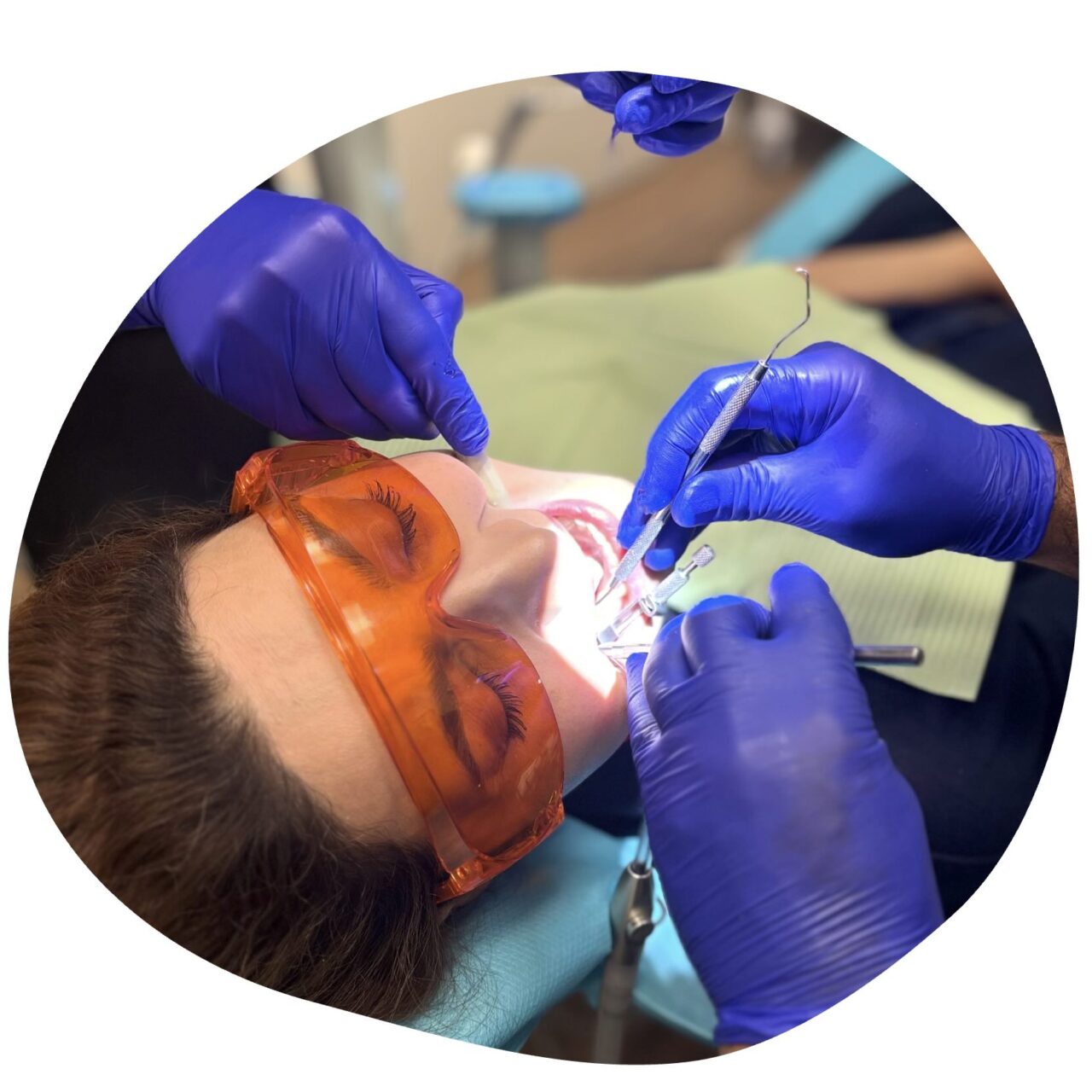
Gentle, effective Root Canal Therapy to save infected teeth and relieve severe dental pain.

Compassionate and complete dental care focused on building positive habits for children in North York.

We are a friendly team of dentists, hygienists and receptionists who work together to ensure that you receive the best treatment you require.
Copyright 2026 by Orchid Dental Needs Co. All rights reserved.
