Mon-Wed: 9:30AM-6PM | Thu: 10AM-6PM | Fri: 11AM-7PM | Sat: 9:30AM-4PM | Sun: Closed
Address879 York Mills Rd Unit 6, North York, ON, M3B 1Y5
On this page
Gingivitis affects the gum tissues and may improve with appropriate care. Periodontitis involves damage to the tissues and bone supporting teeth; lost support is not simply reversed by a cleaning. An assessment determines the stage and what treatment is needed.
Bleeding, persistent bad breath, gum recession, tenderness or loose teeth deserve attention. Gum disease can also be present with little pain. Mention smoking, diabetes and changes in medication or general health so the dental team has the context needed to plan care.
Your dentist or hygienist checks the tissues, measures around the teeth and reviews imaging when needed. These findings establish the extent of disease and allow progress to be compared over time. A treatment decision should be explained using your individual results.
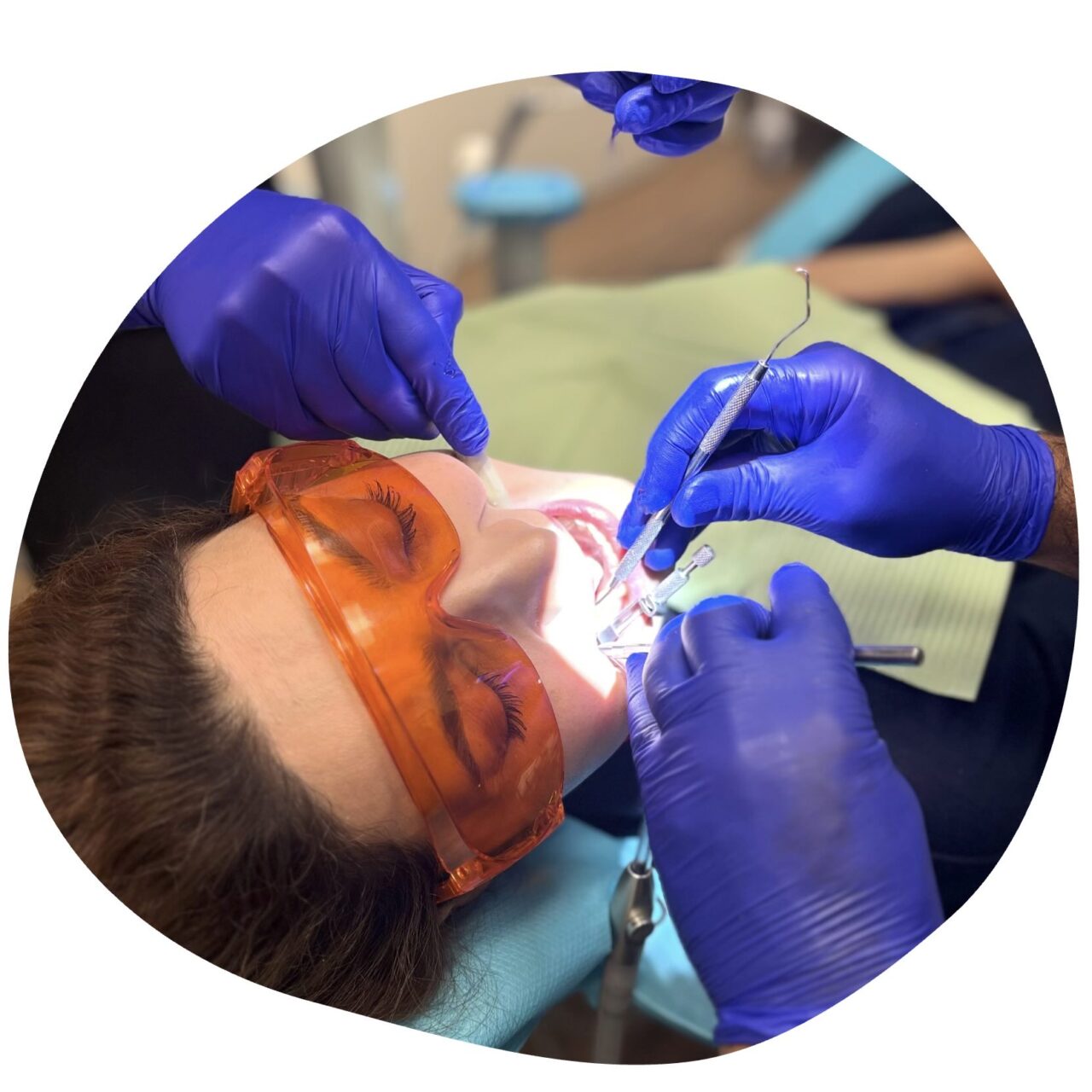
Gum disease treatment may include home-care changes, scaling and root planing, periodontal maintenance or referral for further treatment. Not every patient needs surgery or additional technologies. Ask which treatment is recommended and what it is intended to improve.
After initial gum disease treatment, the dental team reassesses the gums and considers remaining areas of concern. More than one stage may be needed. Maintenance intervals are chosen for your risk and response rather than a fixed promise that one visit will resolve the disease.
Brush along the gumline and clean between teeth using methods suited to your spaces. Ask for a demonstration if floss is difficult to use. Smoking cessation and managing relevant health conditions can also support periodontal care.
Deep persistent pockets, significant bone loss or complex recession may need periodontal specialist input. A referral is part of choosing appropriate care. Ask how the general dental team and specialist will coordinate treatment and maintenance. See the gum care overview for the broader assessment and maintenance pathway.
Do not ignore increasing swelling, a gum abscess or a tooth becoming noticeably loose. Contact the clinic for advice. If swelling affects breathing or swallowing, seek emergency medical care rather than waiting for a routine appointment.
Request an assessment for bleeding gums, recession or suspected periodontal disease. Eligible CDCP periodontal services are subject to the program’s limits and clinical criteria. Confirm the proposed procedure and benefits before treatment.
Request an appointment or explore Vita Dentistry services.
Gingivitis affects the gums and can improve with appropriate care. Periodontitis also involves loss of supporting tissues or bone. Treatment aims to manage disease and support ongoing care; cleaning does not simply restore all lost support.
It is treatment that removes deposits from tooth and root surfaces, including areas below the gumline when indicated. Ask which areas need treatment, how discomfort will be managed and how the response will be reviewed. The number of visits varies.
Your team should explain the aftercare for the procedure performed and which symptoms need a call. Contact the clinic about persistent or increasing pain, swelling or bleeding rather than relying on a general recovery deadline.
Tell the team about smoking or vaping, diabetes, your medications, changes in health and your previous gum treatment. Discuss difficulties with daily cleaning too. These details help guide the assessment, home-care advice and follow-up.
The recommendation follows an examination, measurements and imaging when needed. Ask what the findings show and why the proposed care differs from routine cleaning. A maintenance plan should reflect your disease history and response.
Eligible periodontal services may be covered under CDCP rules, subject to clinical criteria, limits and possible preauthorization. Confirm the exact proposed procedure and active coverage before treatment. A recommendation for treatment is not itself a coverage approval.
For patient education, see the Ontario Dental Association gum disease guide. For coverage, consult the current official CDCP benefits guide.
Ask what the assessment shows, what you can do at home and when your gums should be reviewed again. If further treatment is recommended, your dentist will explain its purpose and any alternatives. Request an appointment at Vita Dentistry in North York.
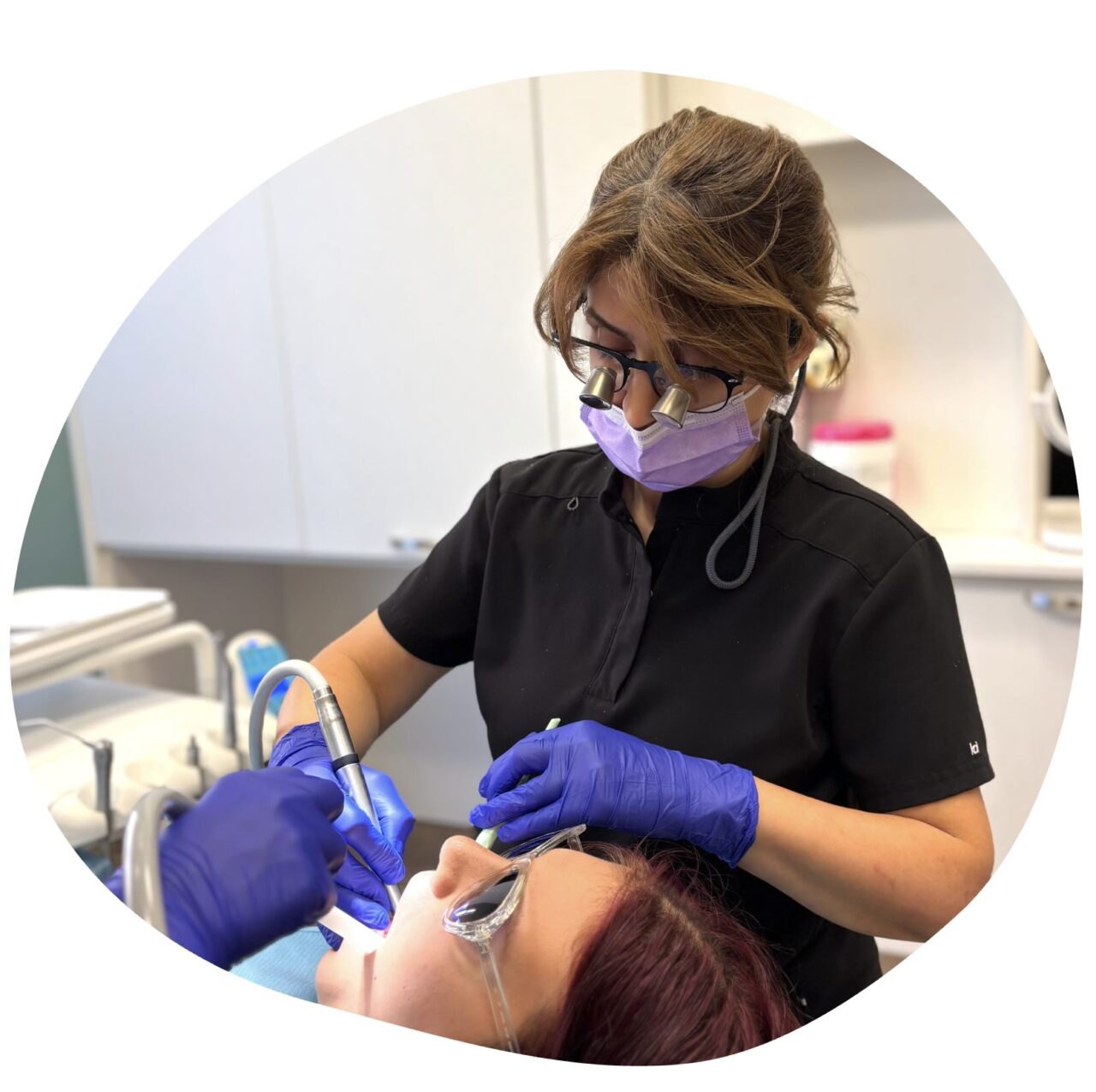
Comprehensive dental cleanings, exams, and protective care for the whole family in North York.

Restore teeth using durable fillings, custom crowns, and bridges near York Mills Road.

Achieve a stunning smile with professional teeth whitening, veneers, and smile design.
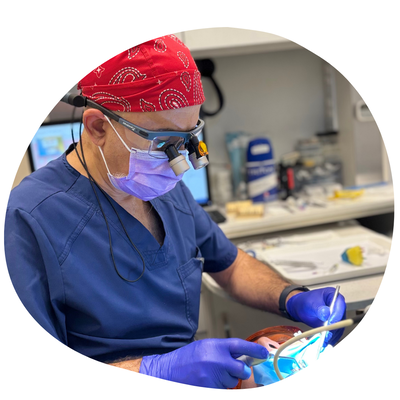
Assessment and treatment options for gum disease, with advice about maintaining gum health.
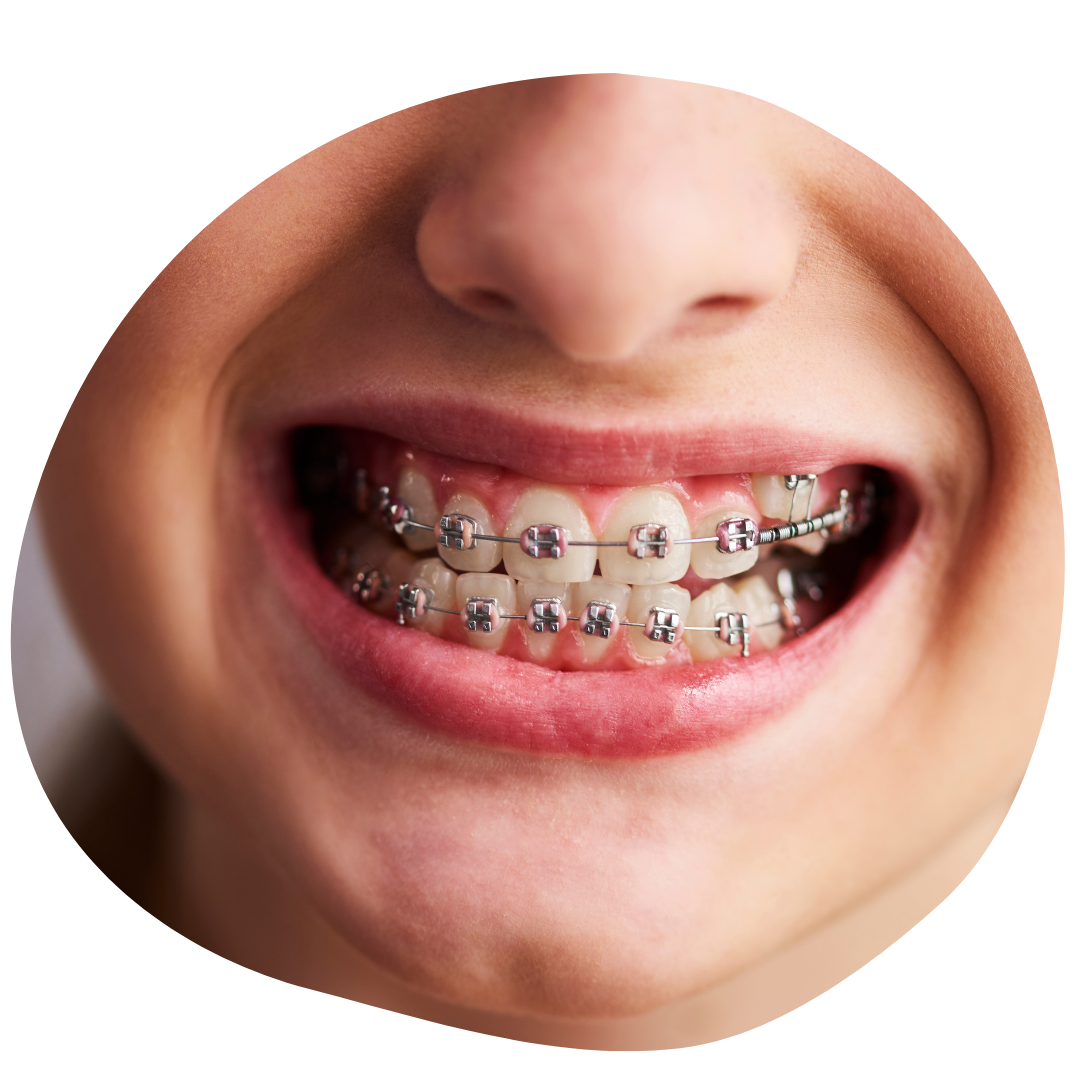
Straighten your teeth discreetly using clear aligners and braces. Orthodontic care for adults and teens.
Gentle, effective Root Canal Therapy to save infected teeth and relieve severe dental pain.

Compassionate and complete dental care focused on building positive habits for children in North York.
We are a friendly team of dentists, hygienists and receptionists who work together to ensure that you receive the best treatment you require.
Copyright 2026 by Orchid Dental Needs Co. All rights reserved.