
Mon-Wed: 9:30AM-6PM | Thu: 10AM-6PM | Fri: 11AM-7PM | Sat: 9:30AM-4PM | Sun: Closed
Address879 York Mills Rd Unit 6, North York, ON, M3B 1Y5

Brackets and wires apply controlled forces to move teeth over time. Treatment aims to improve alignment and the bite, but the plan differs between patients. Healthy teeth and gums are important before starting orthodontic care.
Fixed braces and removable aligners have different advantages and limitations. Ask which appliances are appropriate and actually available for your case. A particular type of brace, a shorter timeline or treatment without referral should not be assumed.
The assessment reviews crowding, spacing and how the upper and lower teeth meet. Your goals and medical and dental history also matter. Complex bite problems may need specialist advice or a coordinated treatment plan.
After assessment and planning, braces are fitted and reviewed at scheduled appointments. Adjustments guide movement, while progress is monitored. The duration depends on the problem and your response; keeping appointments and following instructions helps the plan stay on course.
Food can collect around brackets, so careful brushing and cleaning between teeth are essential. Ask which tools will help you reach these areas. Continue routine dental visits and follow advice about foods that could damage the appliance.
Pressure or tenderness can occur after an adjustment. Follow the advice provided for managing discomfort. Contact the clinic for a broken bracket, a protruding wire or pain that does not settle; do not try to change the appliance yourself.
Adults can be assessed for braces, but gum support, existing crowns and missing teeth can affect planning. Discuss any previous orthodontic treatment and what you want to change. Age alone does not establish whether treatment is suitable.
Teeth can move after braces are removed. Ask about the retainer plan before treatment starts, including wear and reviews. Retainers also need cleaning and assessment if they become damaged or no longer fit.
Request an orthodontic assessment at Vita Dentistry in North York. Orthodontic services are currently unavailable under CDCP. Compare braces and clear aligners based on your dental findings and the demands of each treatment.
Request an appointment or explore Vita Dentistry services.
Am I too old for braces?
No — there is no upper age limit for braces. Many of our adult patients at Vita Dentistry straighten their teeth in their 30s, 40s, and beyond. What matters is the health of your teeth and gums, not your age. During your consultation we check for gum disease, bone loss, and worn restorations first, because braces move best on a healthy foundation.
How long does braces treatment usually take?
Most treatments take between 12 and 24 months, depending on how much movement is needed. Simple crowding may finish sooner, while bite correction takes longer. We will give you a realistic timeline at your consultation after examining your teeth — and keeping your adjustment appointments on schedule is the biggest factor in finishing on time.
Do braces hurt?
You will feel pressure and mild soreness for a few days after braces are placed and after each adjustment — this is normal and means the teeth are moving. Most patients manage it easily with over-the-counter pain relief and soft foods for a day or two. Sharp pain, a poking wire, or a loose bracket is not normal — call us and we will fix it promptly.
Should I choose braces or clear aligners?
It depends on your case. Braces can handle complex movements — rotations, large gaps, and bite correction — that aligners sometimes cannot. Clear aligners (which we also offer at Vita Dentistry for teens and adults) are nearly invisible and removable, but they only work if you wear them 20–22 hours a day. At your consultation we will recommend the option that gives you the best result, not just the most convenient one.
How do I keep my teeth clean while wearing braces?
Brushing takes more care with braces: angle your brush above and below each bracket, floss daily with a threader or water flosser, and keep your hygiene appointments. Food trapped around brackets can cause white spots (early decay) that remain visible after braces come off — so excellent home care during treatment genuinely protects your final result.
Does the Canadian Dental Care Plan (CDCP) cover braces?
Orthodontic services, including braces, are currently unavailable under CDCP. Read the current official benefits guide before planning treatment.
For patient education, see the Ontario Dental Association oral health resources. For coverage, consult the current official CDCP benefits guide.
Book a visit to Vita Dentistry, simply fill out the form below and we will contact you back regarding the intervention you require.
Ask about brushing around braces, appointments and retention after treatment. Braces and aligners have different practical considerations, so compare them in the context of your own assessment. Request an appointment at Vita Dentistry in North York.
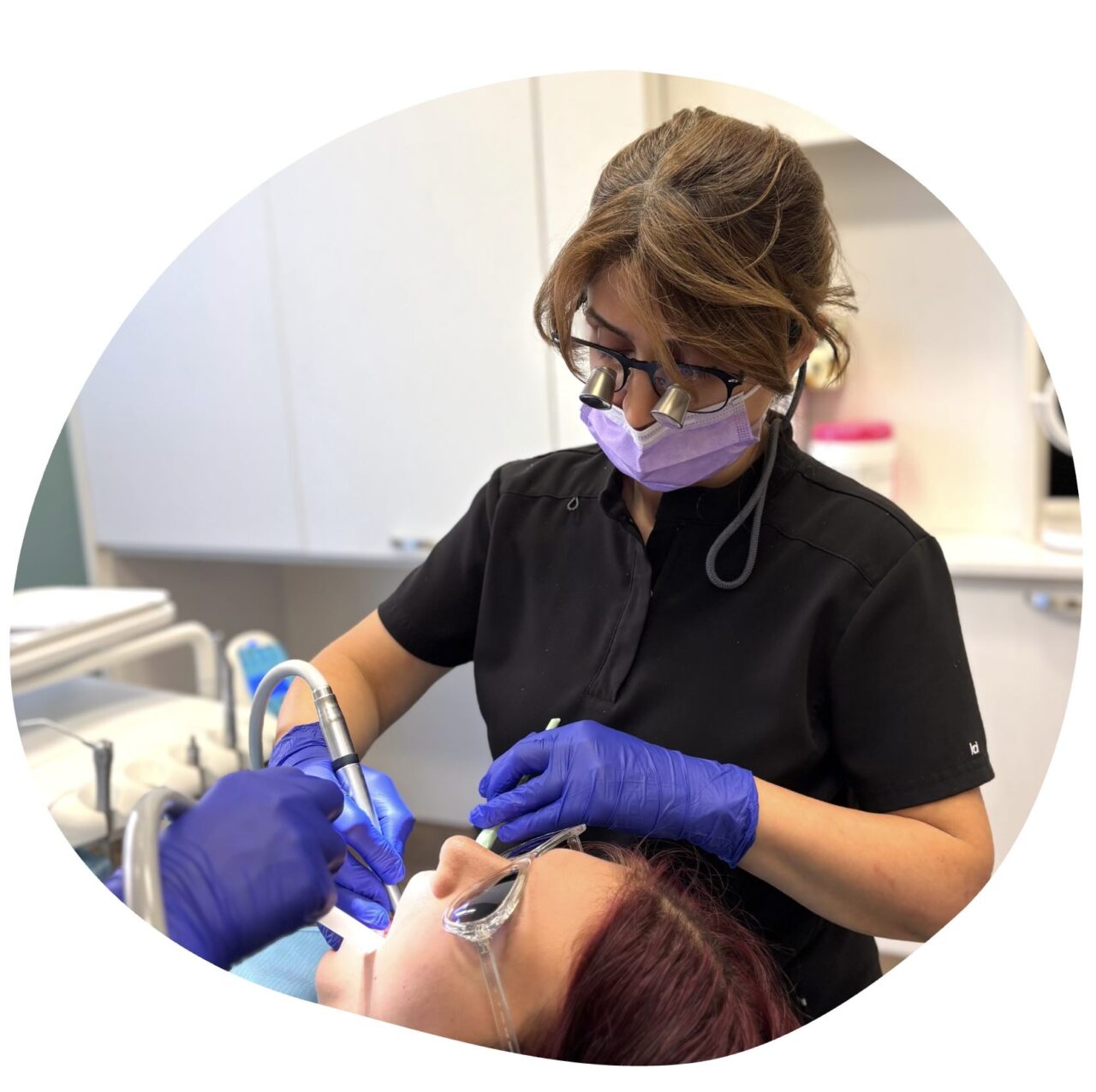
Comprehensive dental cleanings, exams, and protective care for the whole family in North York.

Restore teeth using durable fillings, custom crowns, and bridges near York Mills Road.

Achieve a stunning smile with professional teeth whitening, veneers, and smile design.
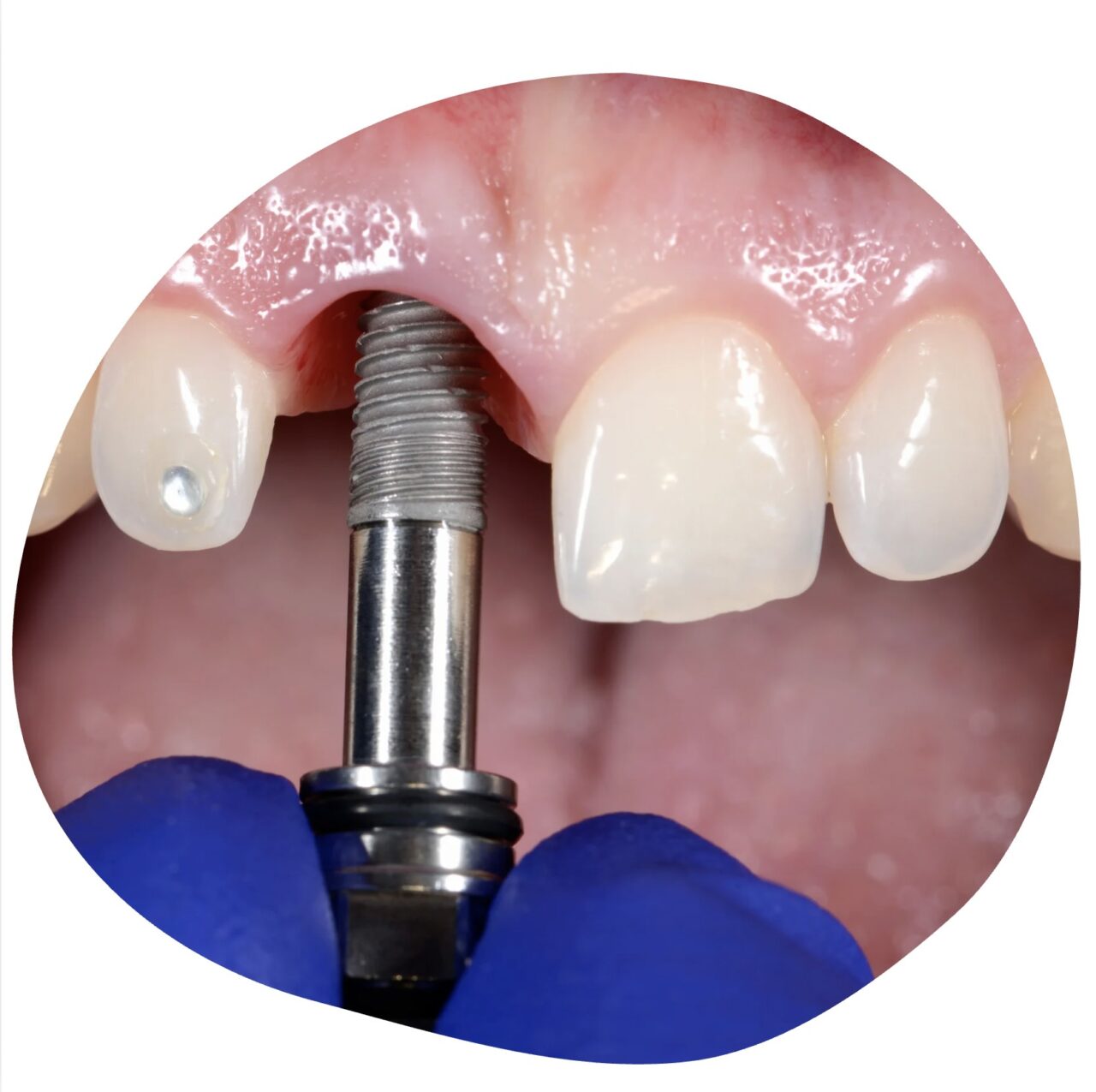
Specialized placement of dental implants, dentures, and fixed prosthetics to replace missing teeth.
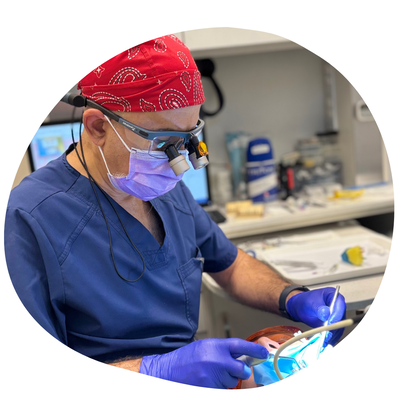
Expert diagnosis and treatment for gum disease, ensuring a healthy foundation for your smile.
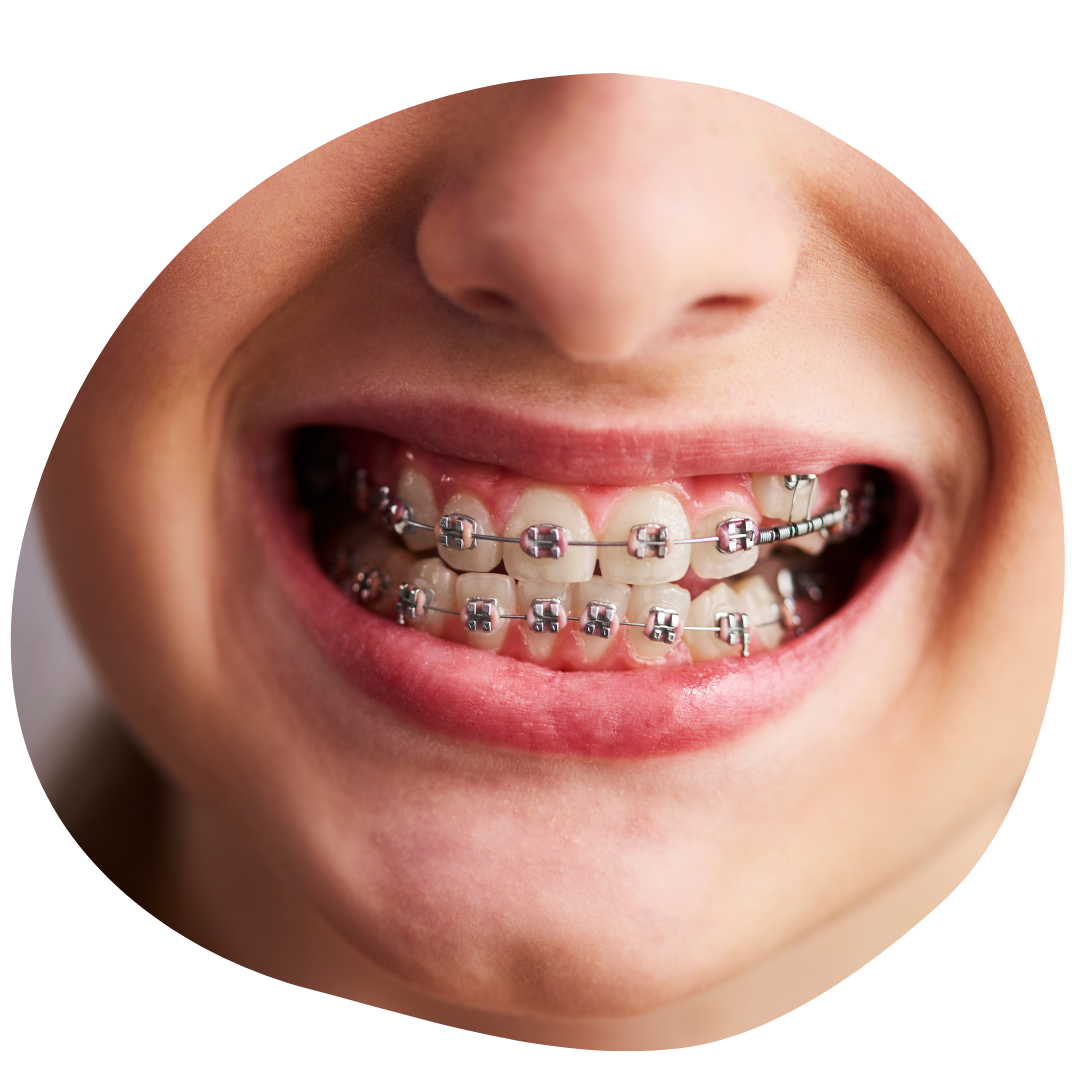
Straighten your teeth discreetly using clear aligners and braces. Orthodontic care for adults and teens.
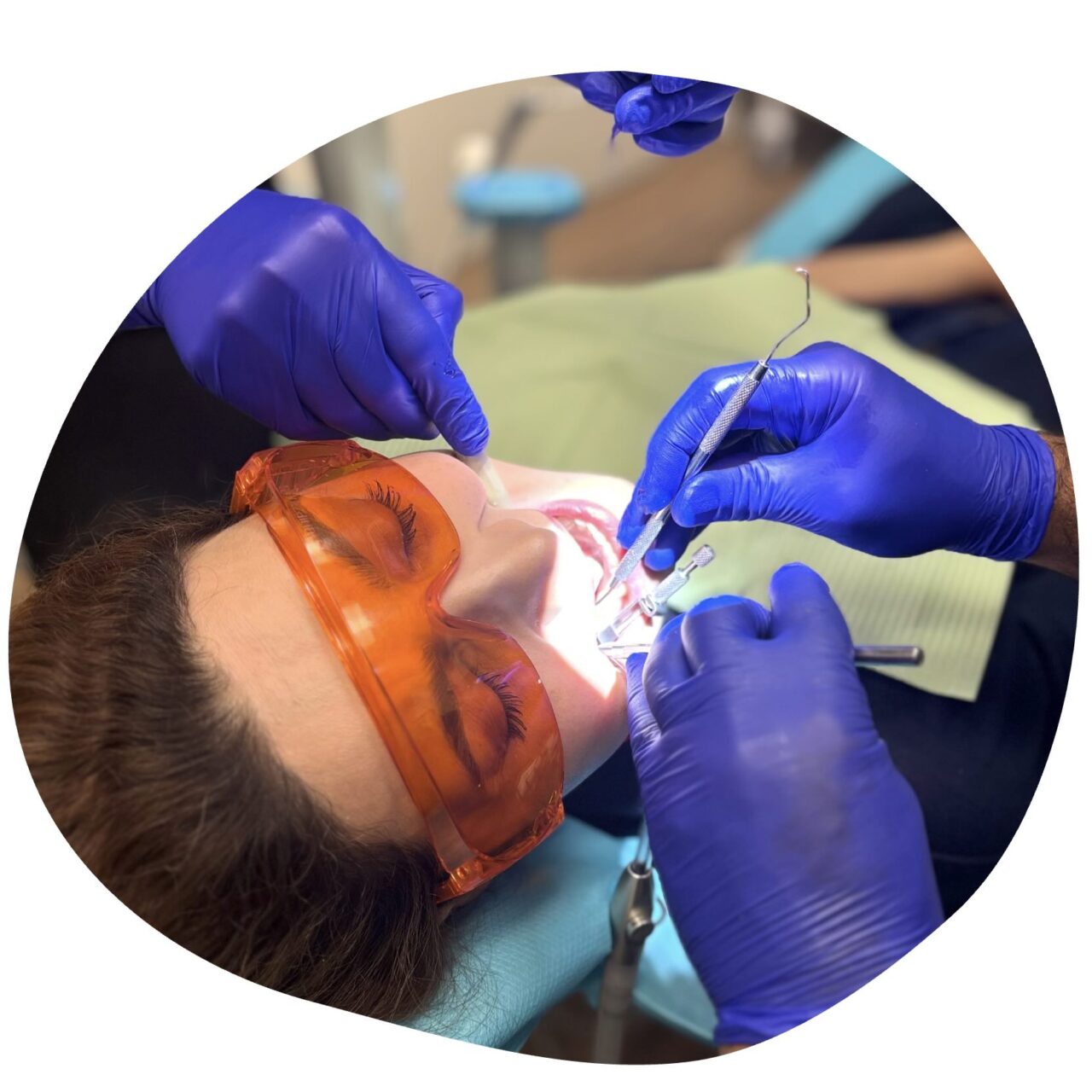
Gentle, effective Root Canal Therapy to save infected teeth and relieve severe dental pain.

Compassionate and complete dental care focused on building positive habits for children in North York.

We are a friendly team of dentists, hygienists and receptionists who work together to ensure that you receive the best treatment you require.
Copyright 2026 by Orchid Dental Needs Co. All rights reserved.
